

Uruguay
Uruguay may be one of South America's smallest countries, but it packs a striking variety of experiences into its compact borders. From the cobbled streets of Colonia del Sacramento to the avant-garde coastline of José Ignacio, Uruguay blends old-world charm with modern personality. Montevideo, the capital, offers a glimpse into everyday life with its seaside promenade, called the “Rambla,” which stretches over 20 kilometers along the Río de la Plata.

Franschhoek
Nestled in the heart of South Africa’s Cape Winelands, Franschhoek is a charming village renowned for its exquisite vineyards and rich history. Founded by French Huguenots in the late 17th century, the village’s French heritage is palpable in its architecture, cuisine, and local culture.
Winnipeg
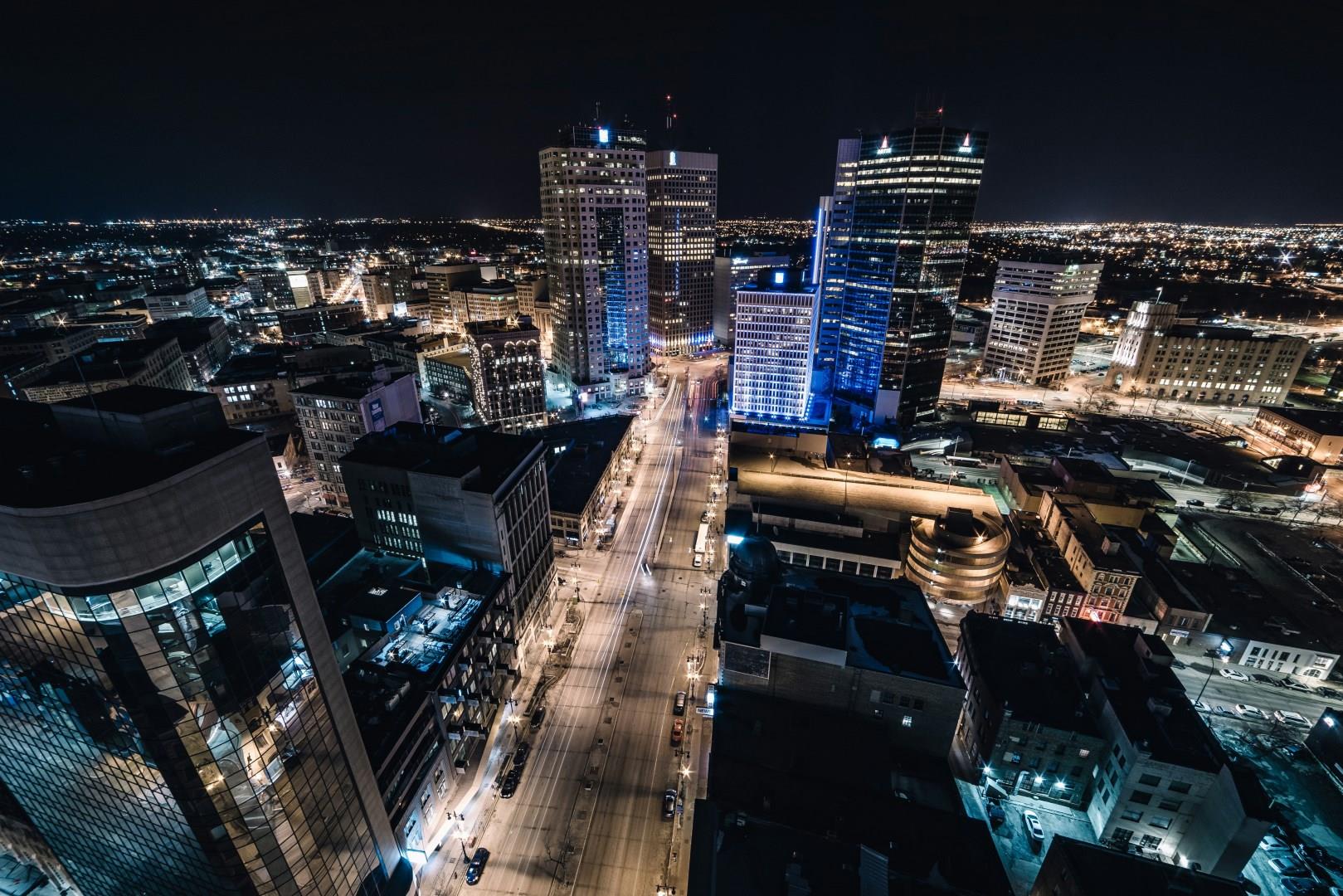
Winnipeg sits at the meeting point of the Red and Assiniboine rivers, a location that has shaped its role as a gathering place for thousands of years. Long before it became a modern city, the area was central to Indigenous trade networks, a legacy that remains visible today through institutions like The Forks and the Canadian Museum for Human Rights.

Ghent
If it wasn't for Paris, Ghent would be medieval Europe's largest city. Steeped in history both rebellious and industrious, it sits at the junction of the Leie and Scheldt rivers and was once the site of armed battles by its townsfolk, who raged against heavy taxes and restricted civil liberties.
Cát Bà
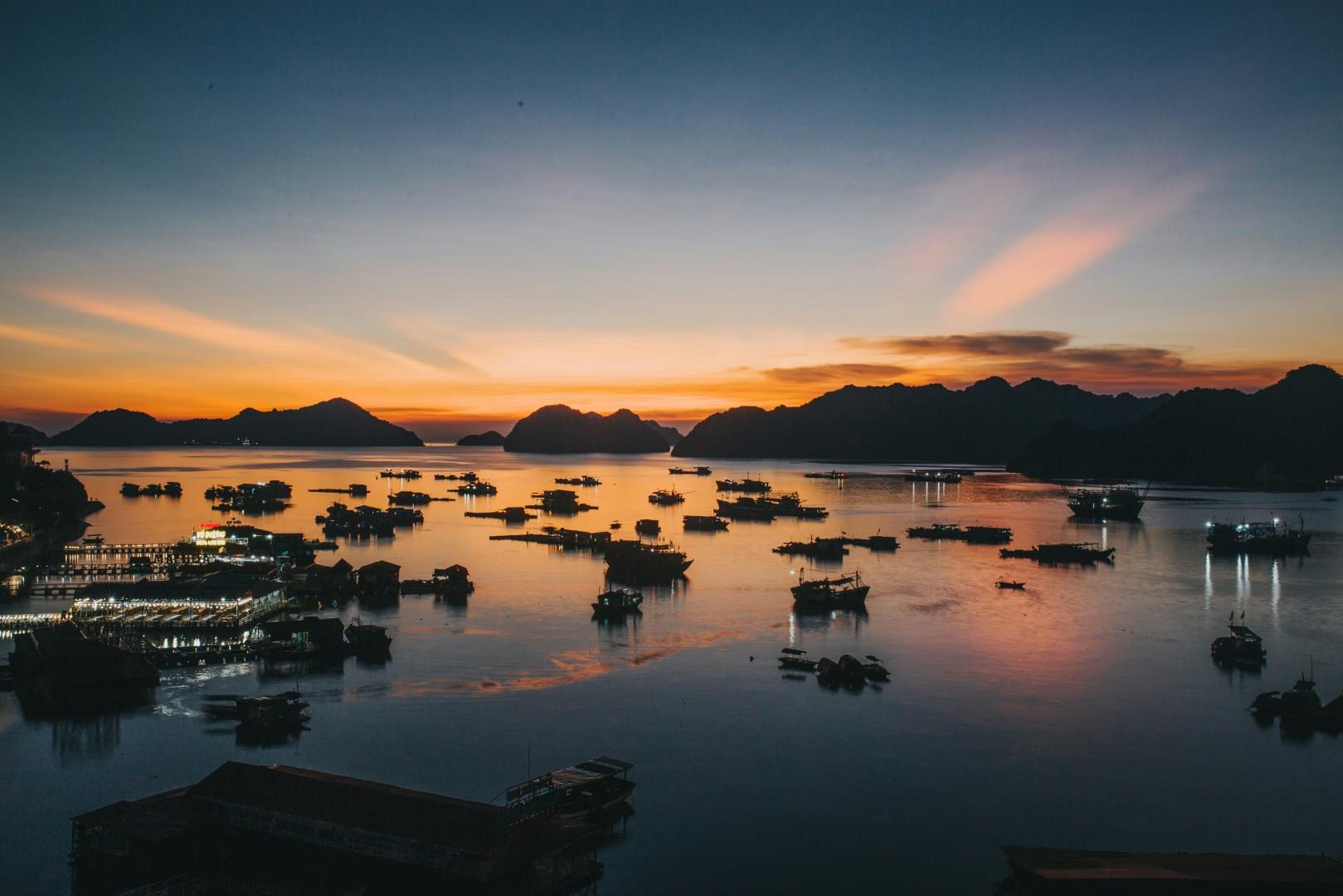
Cat Ba, the largest island in Vietnam’s Halong Bay, is a striking mix of rugged limestone cliffs, hidden coves, and vibrant jungle. Long home to fishing communities, the island has retained its local charm while also becoming a gateway to the natural wonders of the surrounding bay.
