

Chefchaoeun
Chefchaouen, a picturesque city nestled in the Rif Mountains of northern Morocco, is renowned for its stunning blue-painted streets and buildings. Founded in 1471, Chefchaouen's medina—a maze of narrow, winding streets—is one of its most enchanting features, where every corner reveals a splash of blue, creating a serene and photogenic atmosphere. T

Tikal National Park
Tikal is one of the most extraordinary ancient cities in Guatemala, hidden deep in the Petén region’s tropical forests. Once called Yax Mutal by its Maya builders, these ruins reveal thousands of years of history in carved stone stelae and towering limestone structures, some of which rise more than 60 meters above the jungle floor. Today, visitors can walk among the Great Plaza and gaze up at the Temple of the Great Jaguar and the Temple of the Masks, reminders of the city’s long legacy.
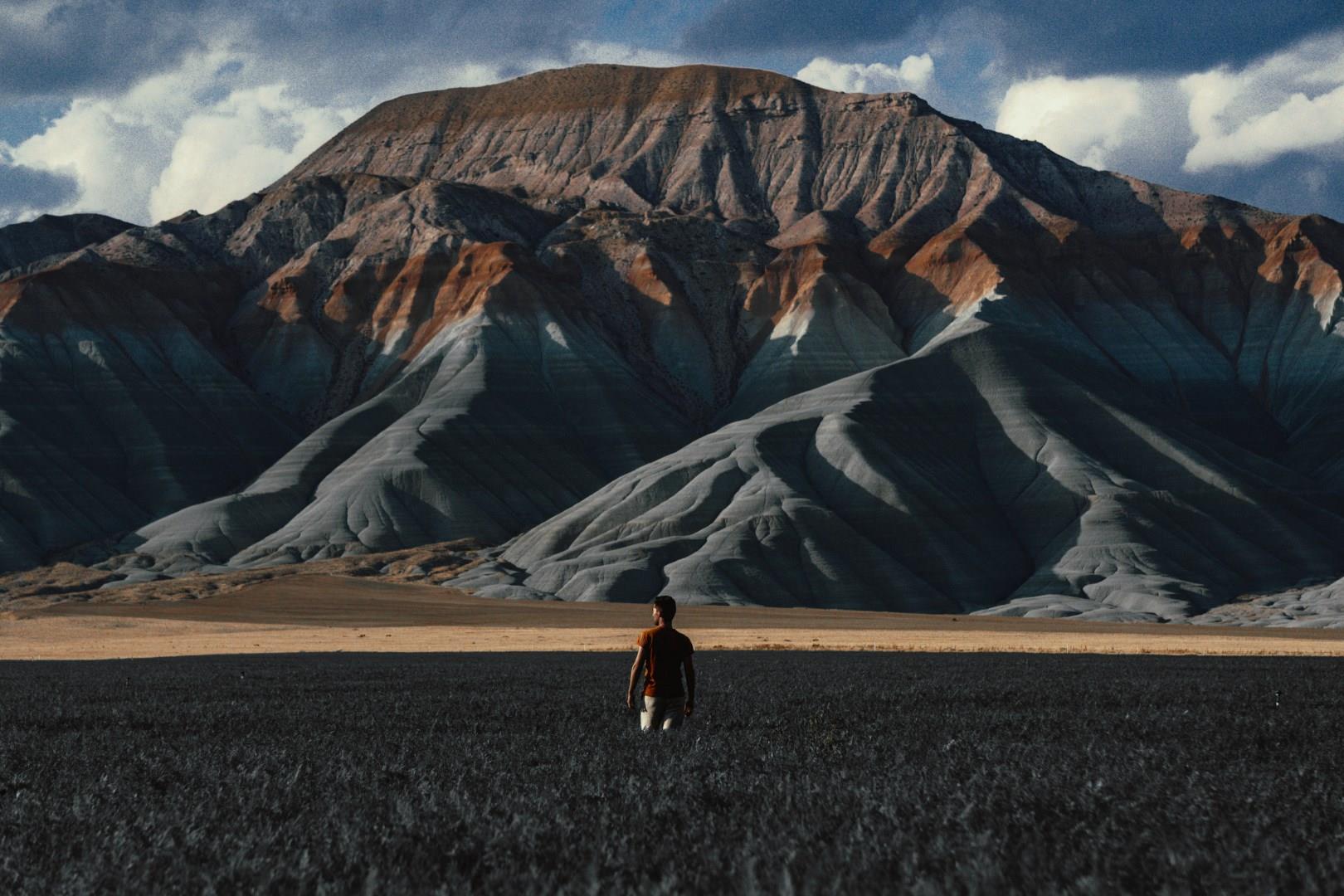
Ankara
Ankara, the capital of Turkey, sits on the Anatolian plateau and reflects the country’s layered history more quietly than Istanbul, yet with equal depth.
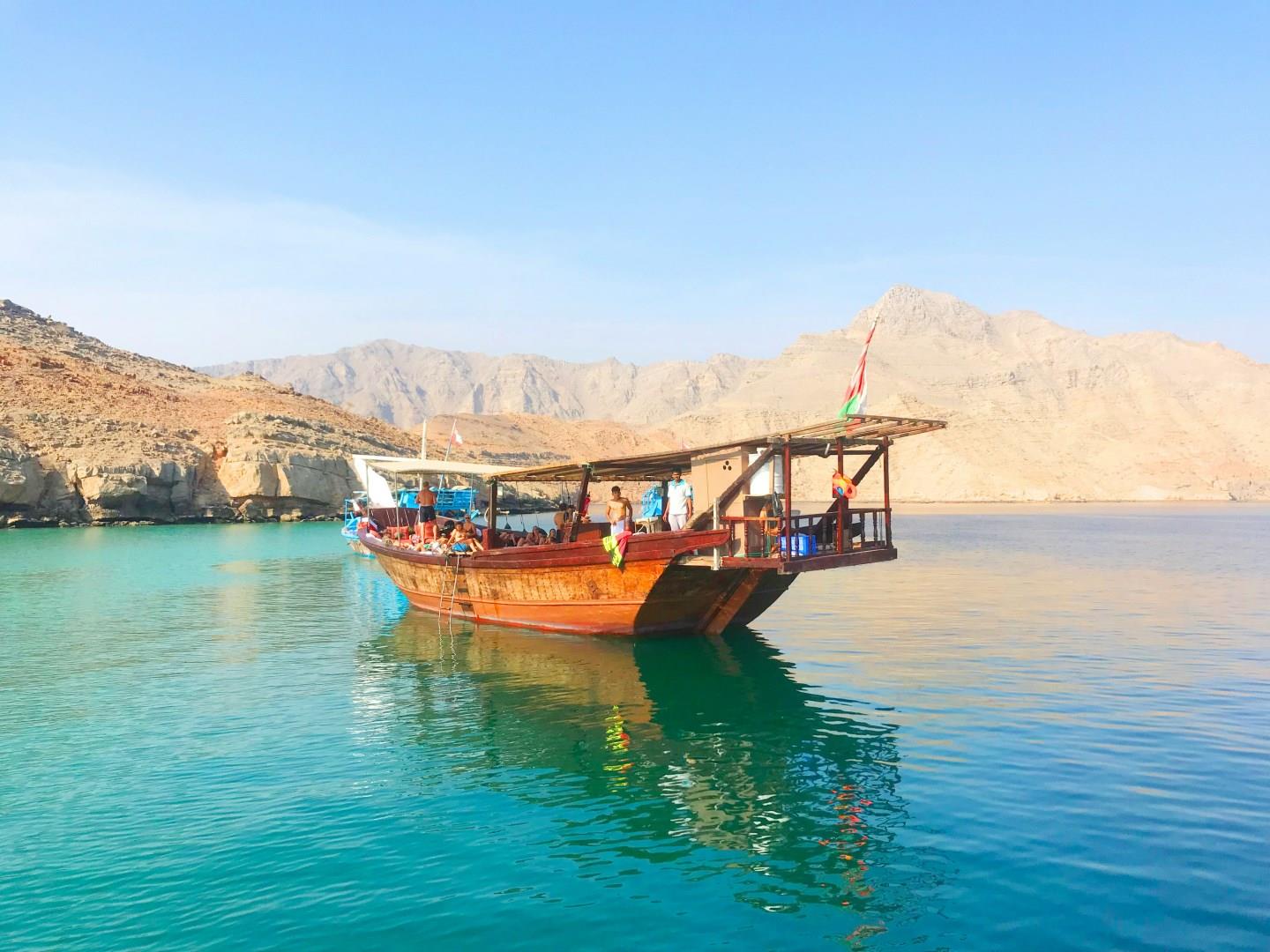
Khasab
Khasab stands at the edge of Oman’s Musandam Peninsula, where rocky inlets carve into the land like desert fjords and earning it the nickname "Norway of Arabia." A short dhow ride uncovers soaring cliffs and narrow waterways, often mirrored by pods of dolphins gliding beside the wooden vessel. These traditional dhows, used for centuries by traders, now carry visitors into those coastal arms for snorkeling, swimming, and quiet reflection.

Rabat
Rabat, the capital of the kingdom of Morocco, is located on the edge of the Atlantic Ocean on the left bank of the Bou Regreg Estuary. A city of trees and flowers, Rabat combines peace, beauty and Serenity, and is steeped in history.
