

Playa Del Carmen
Playa del Carmen, located along Mexico’s Riviera Maya, offers more than just soft beaches and turquoise waters. Once a quiet fishing village, the town has grown into a lively hub where Mayan history meets a modern beachside lifestyle. Visitors walking along Quinta Avenida will find artisan shops, street performers, and cafes offering everything from espresso to tacos al pastor. This area becomes especially active in the evenings when live music spills out from local venues.

Jurassic Coast
The Jurassic Coast, a UNESCO World Heritage Site, is a breathtaking stretch of England’s southern coastline that spans 95 miles from Exmouth in Devon to Studland Bay in Dorset. It is renowned for its dramatic cliffs, stunning beaches, and incredible geological history, offering visitors the chance to explore 185 million years of Earth’s evolution.
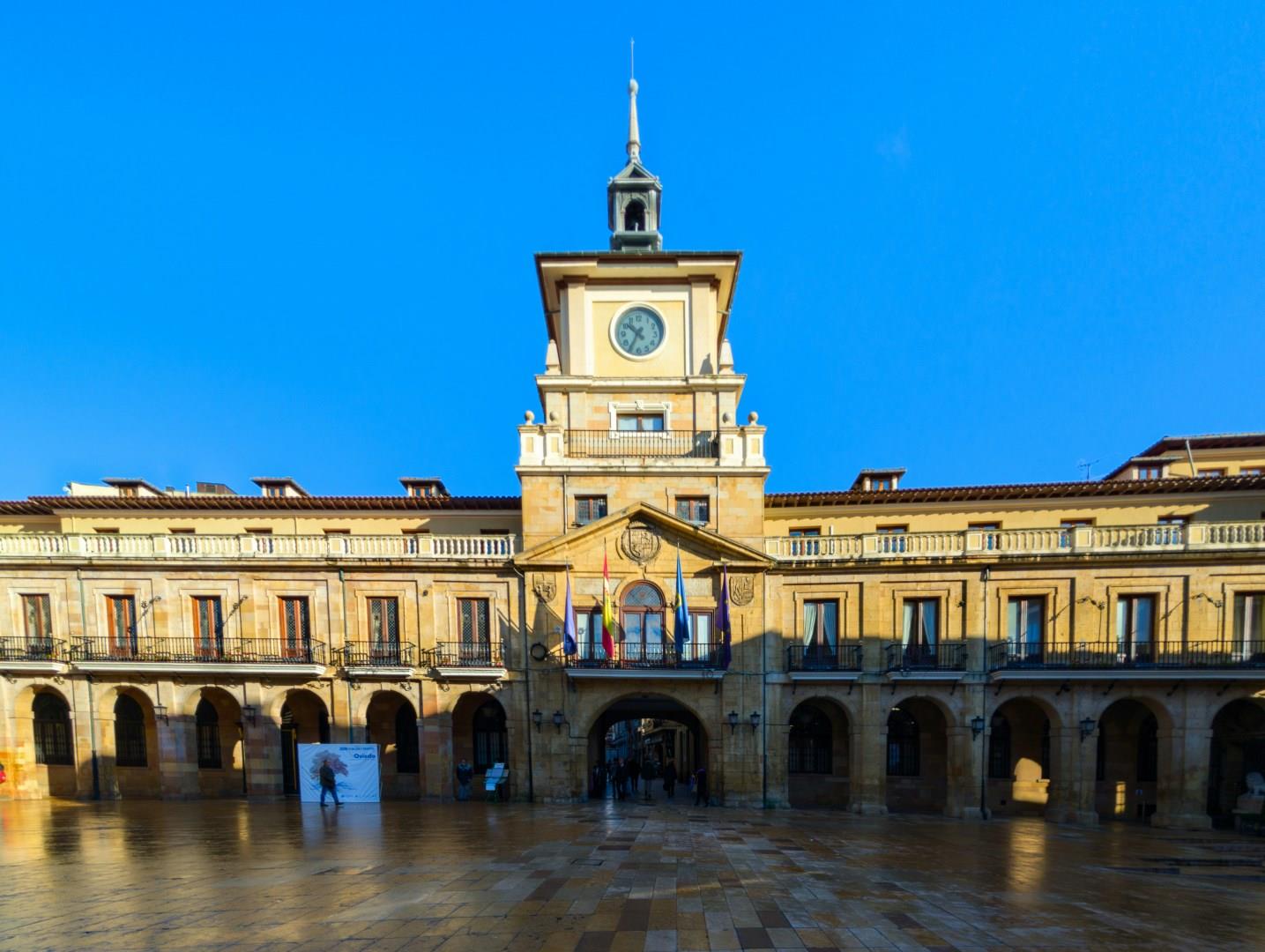
Oviedo
Oviedo, the capital of Asturias in northern Spain, offers a rare mix of medieval heritage and everyday life that feels rooted rather than staged. The city’s historic center is home to some of the oldest pre-Romanesque buildings in Europe, including the UNESCO-listed Santa María del Naranco and San Miguel de Lillo. Cider, not wine, defines the local table. Oviedo is surrounded by apple orchards, and the traditional drink, sidra natural, is poured from a height by skilled escanciadores.

Speyer
Speyer, located in the Rhineland-Palatinate region of Germany, is a city rich in history and culture. One of its most notable landmarks is the Speyer Cathedral, a UNESCO World Heritage Site and one of the largest Romanesque churches in the world.

Lahaina, Maui
Listed on the National Register of Historic Places, Lahaina, Maui is the former capital of the Hawaiian Kingdom and was once the site of a whaling village. This popular tourist destination is now a cultural center perfect for fine dining, visiting Hawaiian art galleries, whale watching, and immersing yourself in this region's rich history.
