

Island Of Mozambique
The Island of Mozambique, a UNESCO World Heritage Site, is a historical gem nestled off the northern coast of Mozambique. This small island, which was once a pivotal trading post, boasts a rich tapestry of history and culture. The island's main attraction is the Fort São Sebastião, an imposing 16th-century fortress built by the Portuguese to protect their trading interests.

Spitsbergen
Spitsbergen is the largest island of Norway’s Svalbard archipelago, where the wonders of the Arctic come alive in breathtaking fashion. Known for its wild, untamed beauty, Spitsbergen offers travelers the chance to experience landscapes that are both surreal and majestic. From towering glaciers and jagged mountain peaks to expansive tundra and crystal-clear fjords, this frozen paradise is an explorer’s dream.
Byron Bay
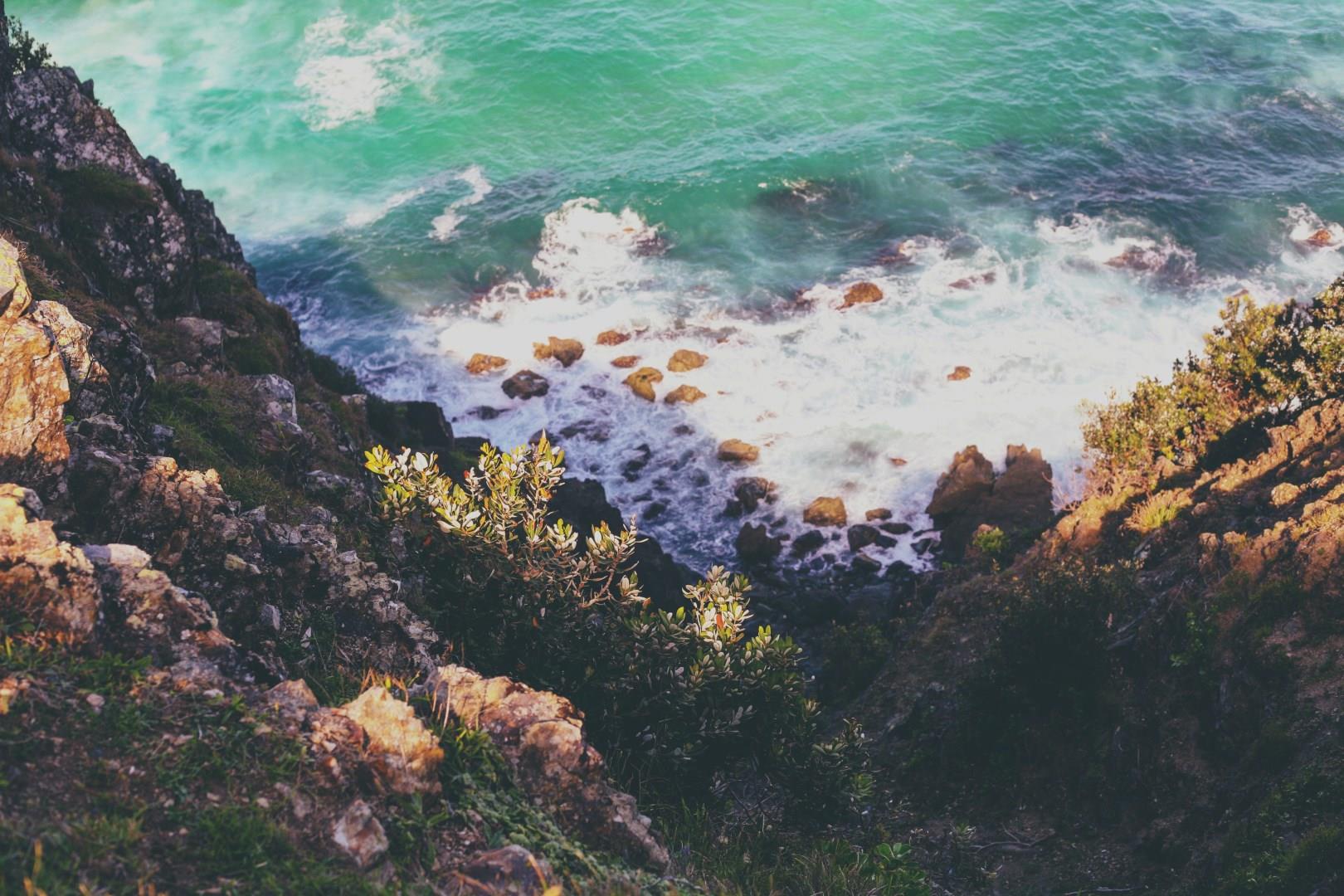
Byron Bay lies on the far north coast of New South Wales, Australia, where wide beaches meet the deep blue Pacific and the point of land known as Cape Byron marks the easternmost tip of the mainland. Standing tall above the coastline, the Cape Byron Lighthouse has guided ships since 1901 and now greets walkers and sightseers who take the scenic cliff-top path for views stretching toward whales during their migration season.

Langkawi
Nestled in the Andaman Sea, Langkawi is an idyllic island escape renowned for its pristine beaches, lush landscapes, and vibrant culture. This Malaysian archipelago, comprising over 100 islands, boasts a range of natural wonders, including the Langkawi Sky Bridge, an architectural marvel suspended 700 meters above ground.
Somalia
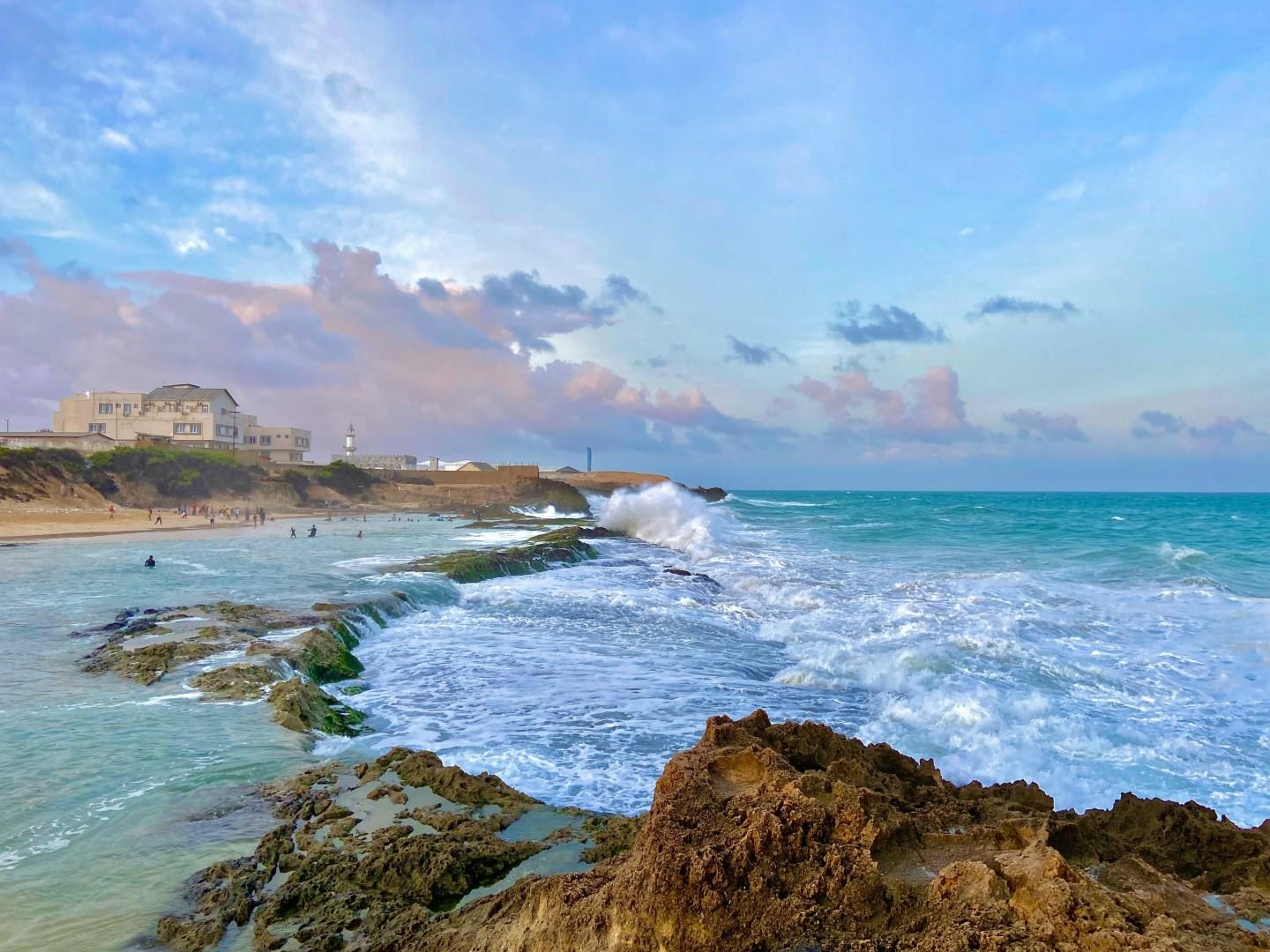
Somalia, located on the Horn of Africa, is a land defined by its coastline, culture, and long history as a crossroads of trade. With the Indian Ocean and Gulf of Aden shaping much of its identity, Somalia has one of the longest coastlines in Africa, stretching over 1,800 miles.
