
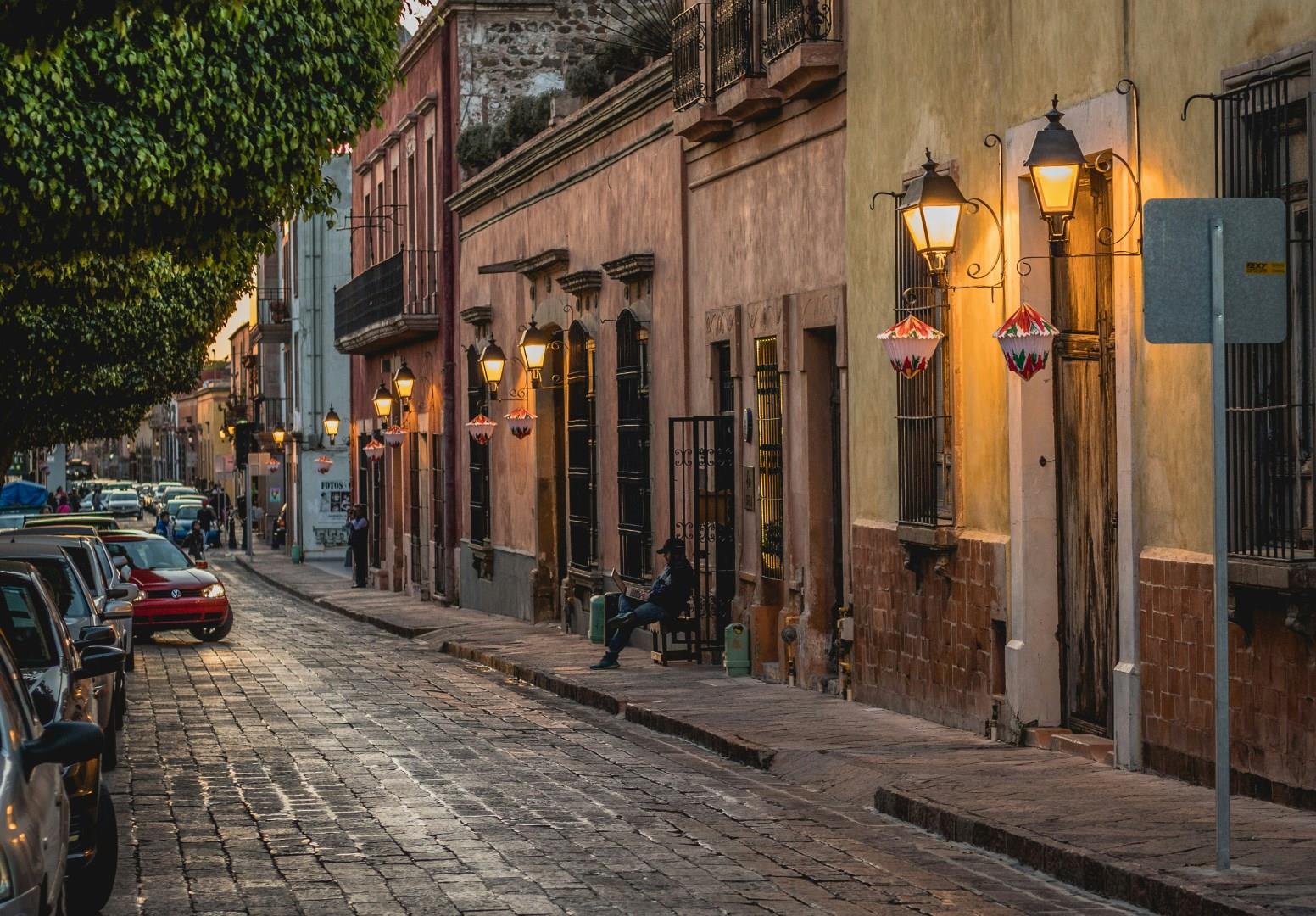
Querétaro
Querétaro, located in the heart of central Mexico, is a city where centuries of history are still visible in daily life. Its historic center, a UNESCO World Heritage Site, features narrow streets, elegant plazas, and baroque churches that reflect its colonial past. One of the city’s most iconic landmarks is the massive aqueduct, built in the 18th century with 74 stone arches stretching nearly a mile across the landscape.

Panama
Panama is a country shaped by its geography and defined by its role in global history. The Panama Canal remains its most iconic feature as a 50-mile engineering marvel that connects the Atlantic and Pacific Oceans. Visitors can watch ships pass through the Miraflores Locks from a dedicated observation deck or explore the interactive museum that explains how the canal changed international trade forever.

Pompeii
Pompeii, Italy, is a mesmerizing time capsule that invites travelers to step back into the world of ancient Rome. Once a thriving city, Pompeii was abruptly buried under volcanic ash and pumice following the catastrophic eruption of Mount Vesuvius in 79 AD. This tragic event preserved the city in remarkable detail, allowing visitors today to walk the cobbled streets and witness a snapshot of Roman life, from grand villas and bathhouses to bakeries and amphitheaters.
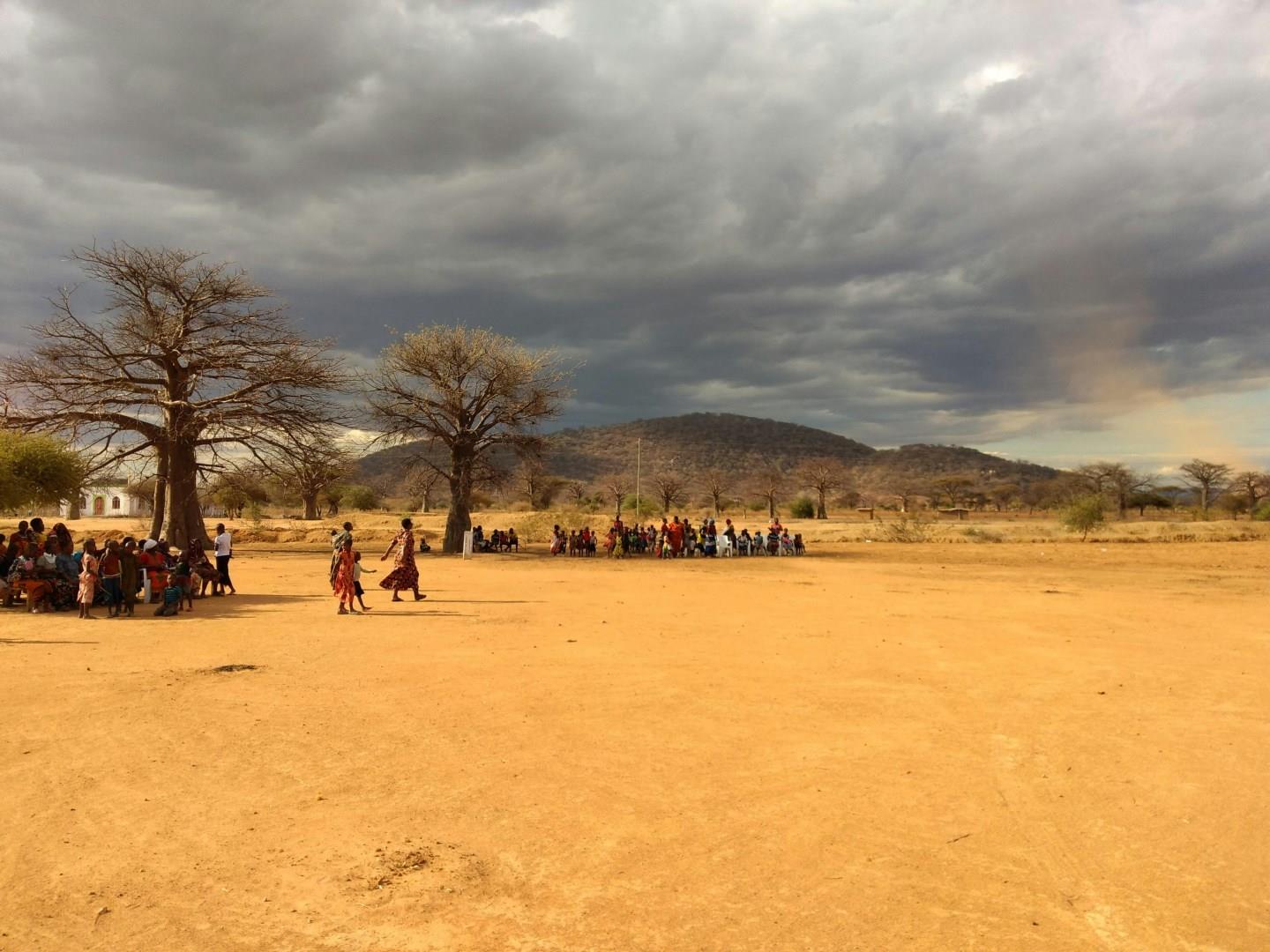
Dodoma
Dodoma, the capital of Tanzania, is a city that sits in the heart of the country, surrounded by rolling hills and semi-arid plains.

Biarritz
Biarritz, located on the Basque coast of southwestern France, is a glamorous seaside city renowned for its picturesque beaches and rich history. Once a modest fishing village, Biarritz evolved into a luxurious resort destination favored by European royalty in the 19th century.
