
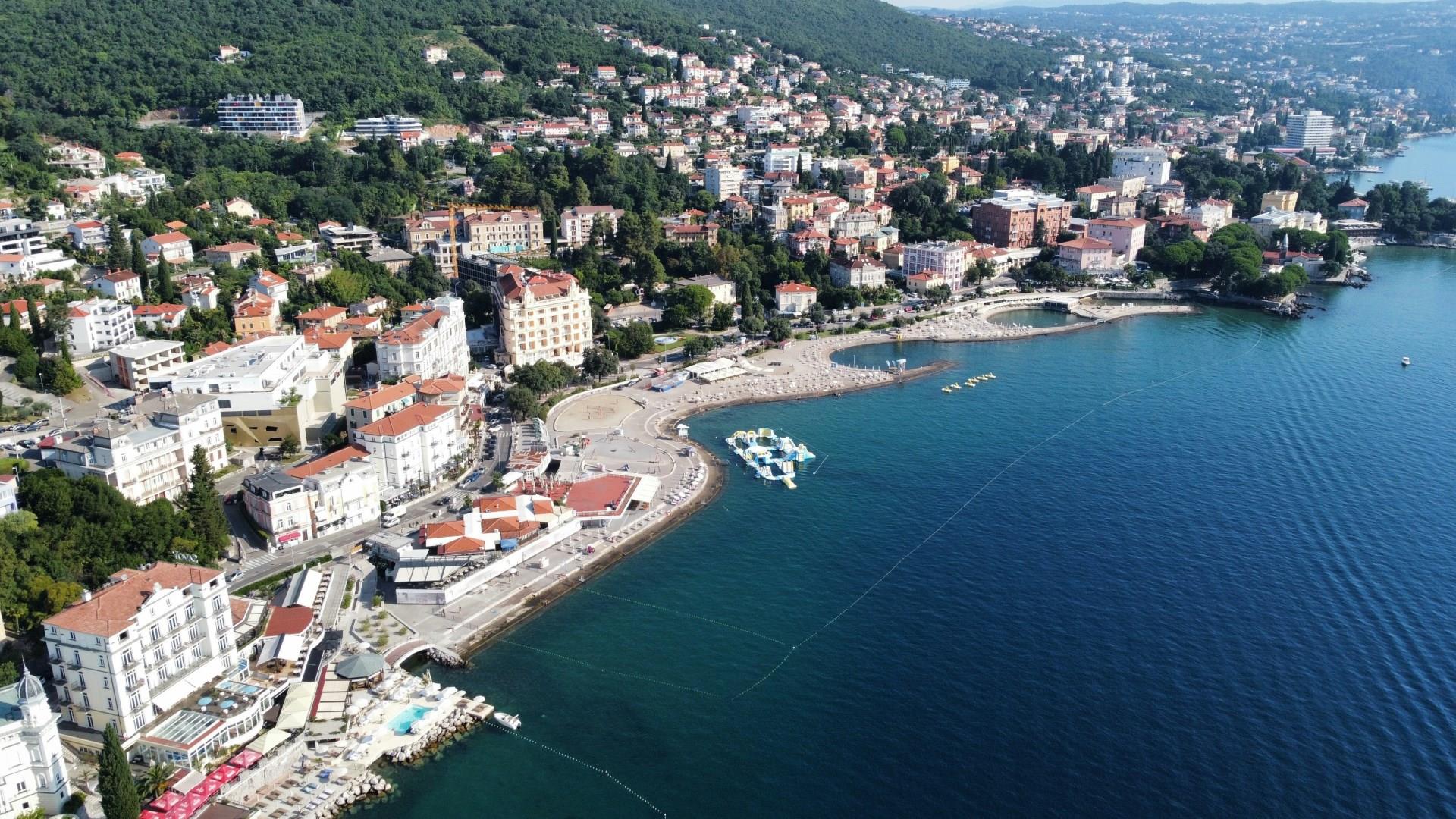
Opatija
Opatija, located on Croatia’s Kvarner Bay, has been drawing visitors since the 19th century, when Austro-Hungarian aristocrats built grand villas along its Adriatic shoreline. Today, many of those same buildings still stand with some restored as luxury hotels and others preserved as cultural landmarks. The town’s most recognizable structure, Villa Angiolina, opened in 1844 and marked the start of Opatija’s rise as a fashionable seaside resort.
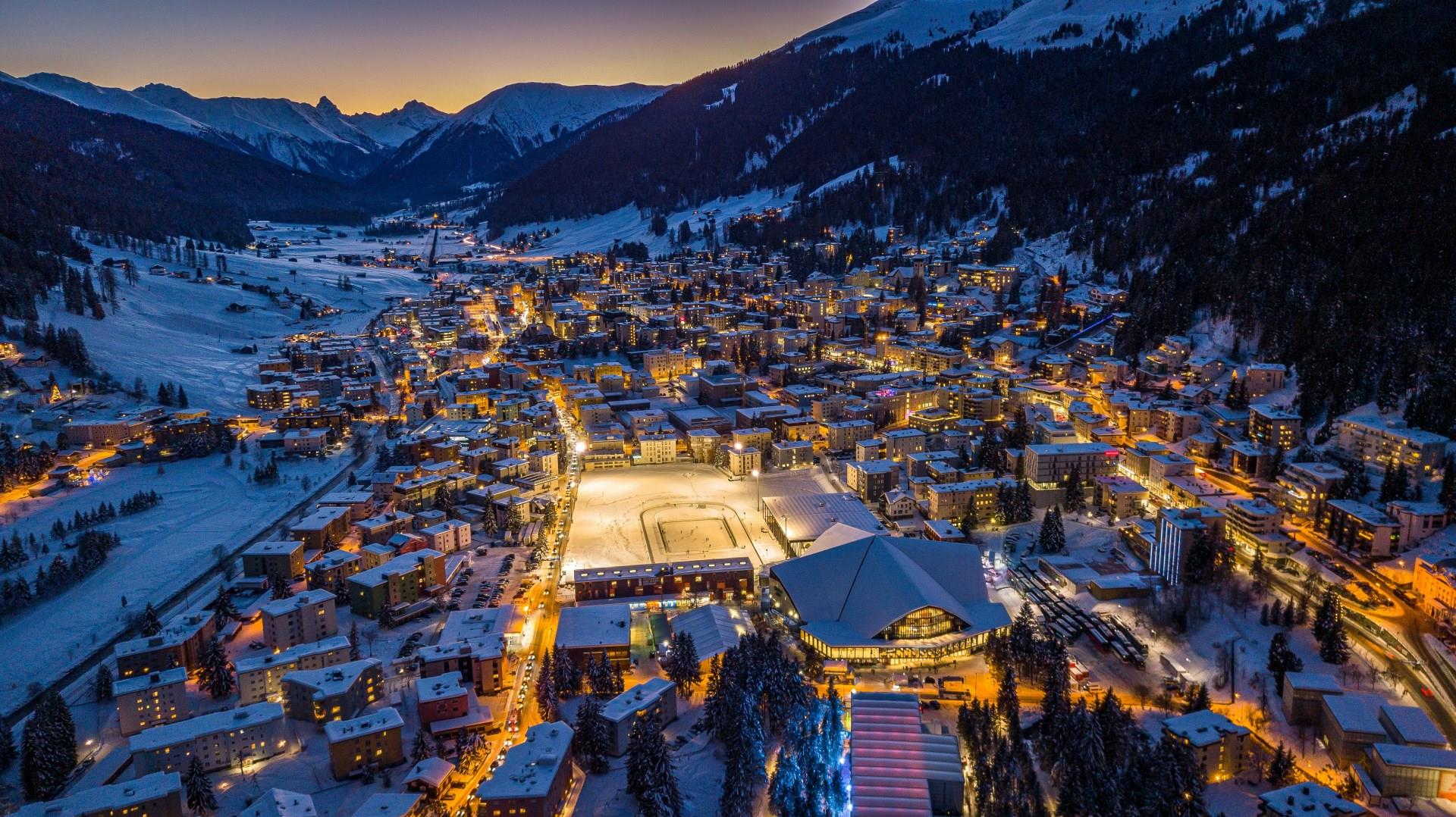
Davos
Davos, located in the Swiss canton of Graubünden, is the highest town in Europe at 1,560 meters above sea level and known for its alpine sports and outdoor activities. In winter, it offers over 300 kilometers of ski slopes shared with neighboring Klosters, along with cross-country trails and Europe’s largest natural ice rink. In summer, the same mountains transform into hiking and mountain biking routes, including the panoramic Jakobshorn and Parsenn areas.
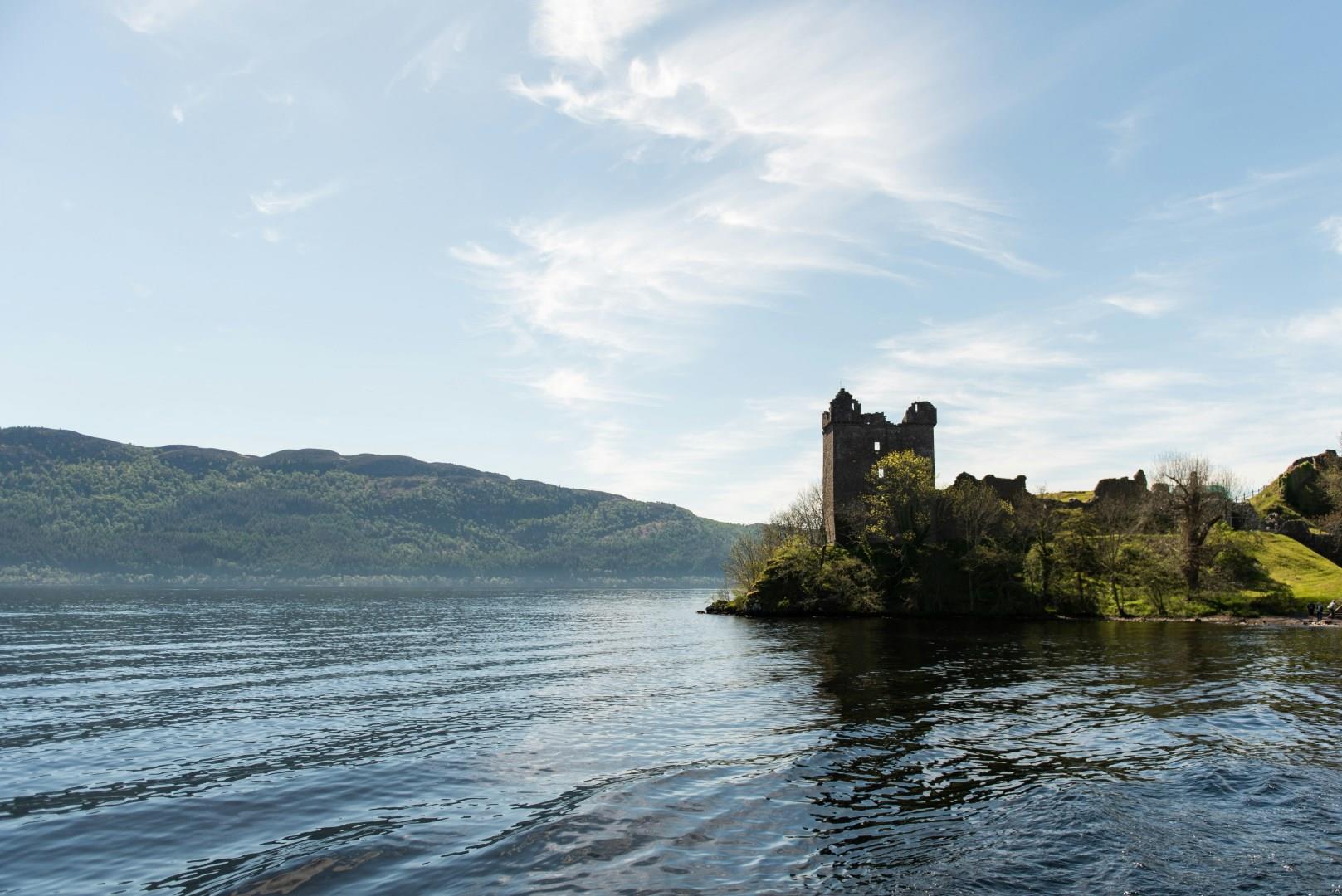
Loch Ness
Loch Ness stretches over 23 miles through the Scottish Highlands, holding more freshwater than all the lakes in England and Wales combined. Best known for its elusive resident, the so-called Loch Ness Monster, the loch has sparked international curiosity since the first modern "sighting" in 1933. While Nessie remains elusive, the surrounding landscape offers clear reasons to visit with steep hillsides, forested trails, and ancient ruins framing one of Scotland’s most iconic bodies of water.

Puerto Quetzal
The largest Pacific seaport in Guatemala, Puerto Quetzal is also the gateway to Antigua, a well-preserved colonial city.

Heimaey
Heimaey, the largest island in Iceland’s Vestmannaeyjar archipelago, is a captivating destination renowned for its dramatic landscapes and volcanic history. A visit to Heimaey offers a unique blend of natural beauty and cultural heritage.
