

Galapagos Islands
Off the coast of Ecuador, the iconic and biodiverse Galápagos Islands, made famous by Charles Darwin’s nineteenth-century research expeditions on HMS Beagle, beckon you. This glittering archipelago, surrounded by vivid turquoise waves, abounds with stunning beaches and spectacular wildlife, perfect for the adventurous traveler.

Shimizu
Shimizu, a picturesque port in Shizuoka City, offers stunning views of Mount Fuji on clear days. Shimizu is known for its rich maritime history, and a culinary highlight is its fresh seafood, particularly tuna. The port boasts the highest tuna catch in Japan, making it a prime destination for sushi fans.
Milos
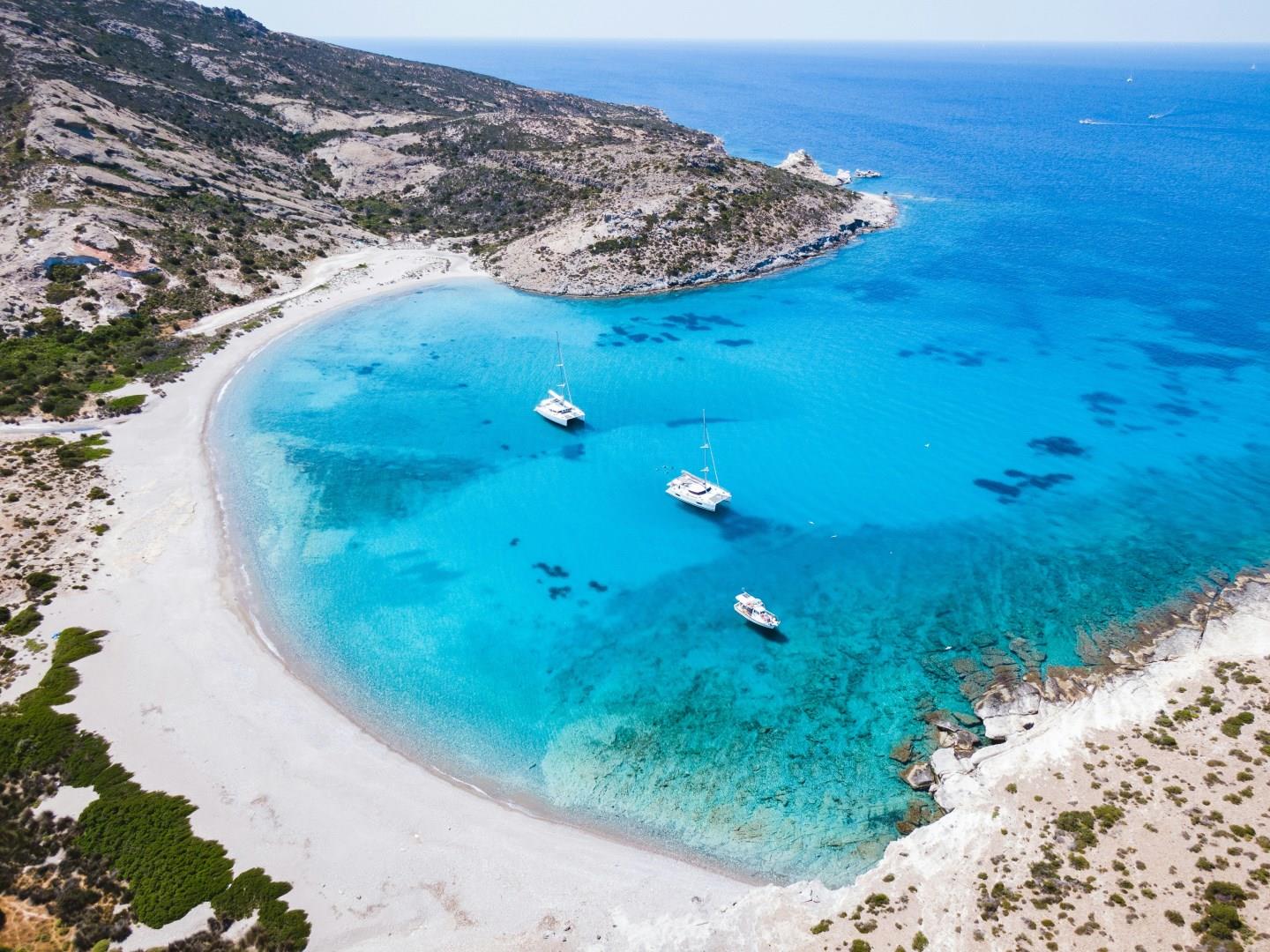
Milos is one of the most striking islands in the Aegean Sea, known for its otherworldly landscapes, turquoise coves, and centuries-old history. Shaped like a horseshoe, the island was formed by volcanic activity which left behind dramatic cliffs and hidden beaches carved from soft white rock. Visitors often find their first glimpse of Milos unforgettable, especially at Sarakiniko Beach where smooth, chalk-white formations contrast with the vivid blue water.
Durango
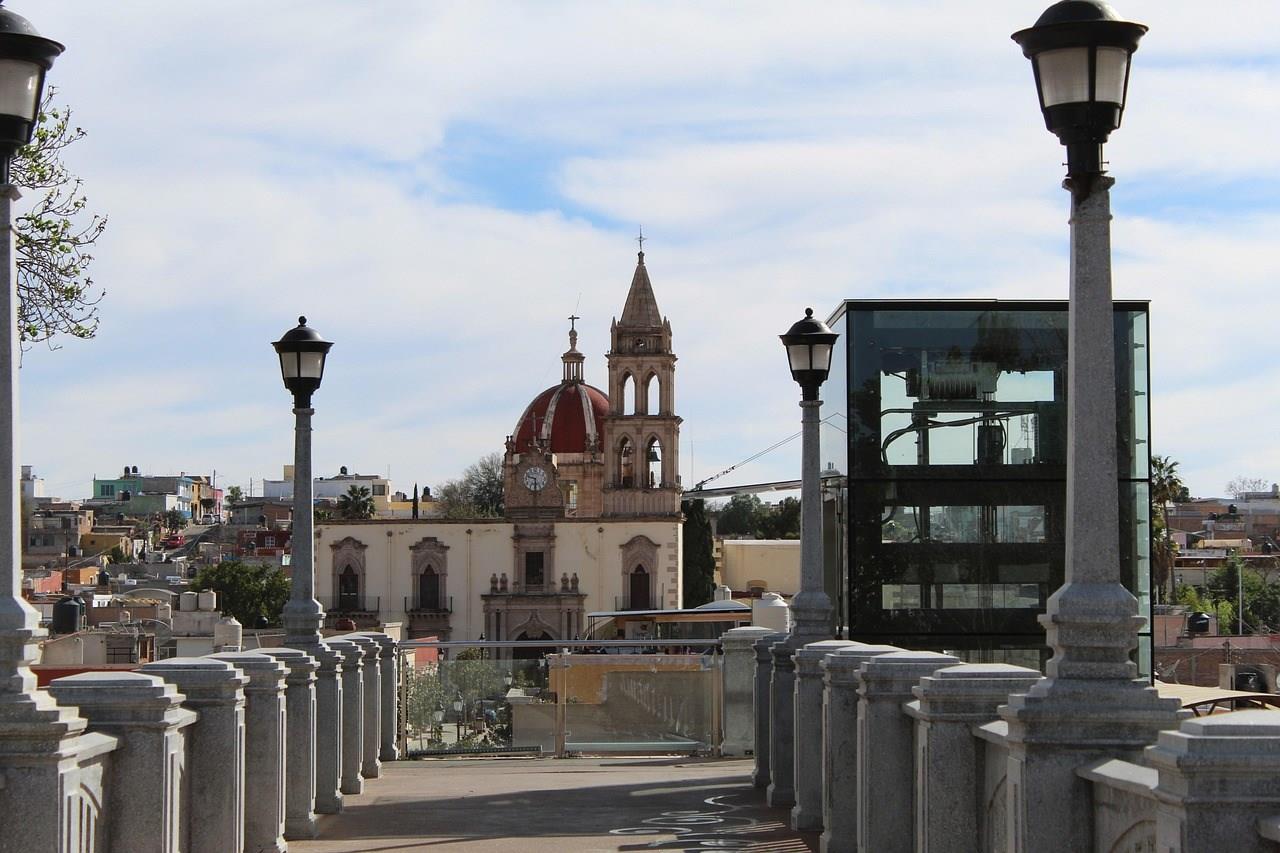
Victoria de Durango rises on a high plateau Mexico’s Sierra Madre Occidental, founded in 1563 by Francisco de Ibarra. Its streets trace layers of history: the historic center holds the most listed buildings in northern Mexico and remains a notable stop on the Camino Real de Tierra Adentro, now a UNESCO World Heritage route.

Spitzkoppe
Spitzkoppe, often referred to as the "Matterhorn of Namibia," is a stunning granite peak rising majestically from the desert floor, offering some of the most dramatic landscapes in the country. Located between Usakos and Swakopmund, this isolated mountain range, with its highest point standing at 1,728 meters, is a paradise for hikers, climbers, and nature lovers. The area is also rich in ancient San rock art, providing visitors with a glimpse into Namibia's prehistoric past.
