

Santarem
Santarém is a city in central Brazil, located where the Tapajós River meets the Amazon. Its position at this confluence has made it a hub of riverine trade and cultural exchange for centuries, blending Indigenous traditions with Portuguese colonial influence.
La Paz
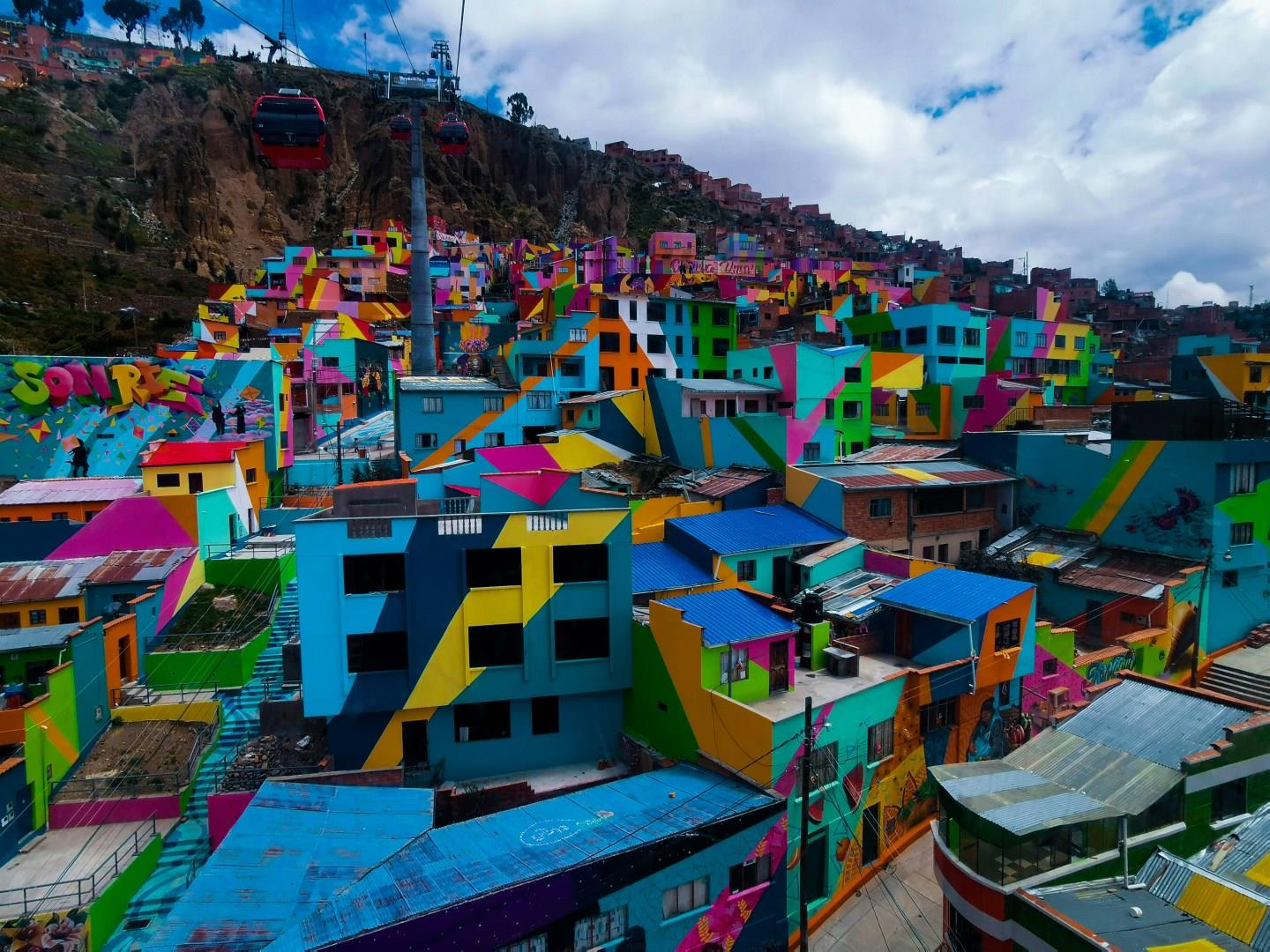
La Paz, Bolivia’s seat of government, is one of the world’s highest capital cities, dramatically set in a deep canyon carved by the Choqueyapu River. Founded in 1548 atop an important Indigenous settlement, the city has long been a crossroads of Andean cultures, colonial history, and modern political life.
Monterrey
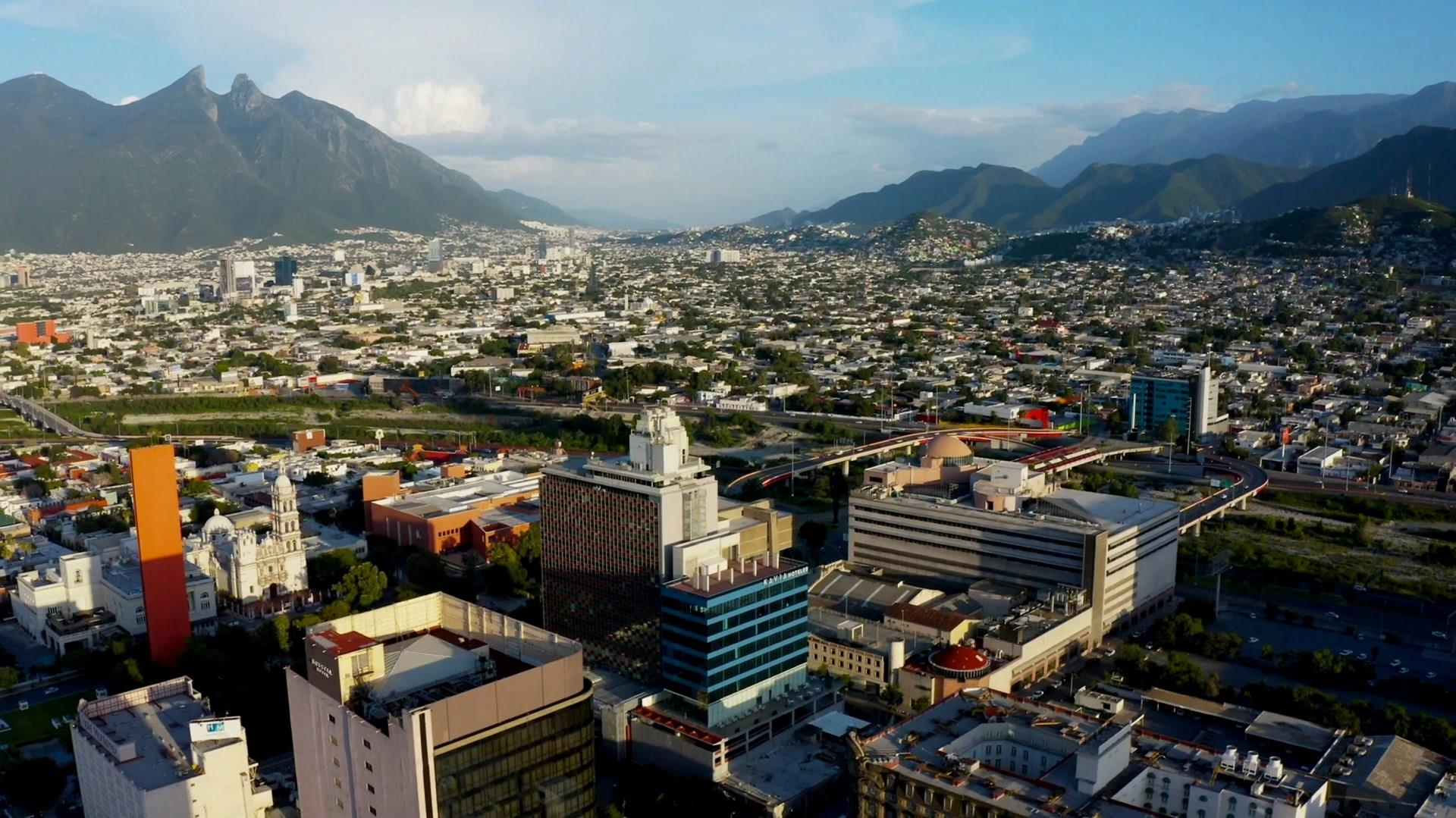
Monterrey, the capital of Nuevo León, stands at the foot of the Sierra Madre Oriental and has long been recognized as one of Mexico’s most industrial and innovative cities. The Macroplaza is one of the largest public squares in Latin America and links historic buildings like the 18th-century Metropolitan Cathedral with newer sites like the Museo de Historia Mexicana and the Faro del Comercio, a towering orange structure that beams a green laser across the sky each night.
Williamsburg
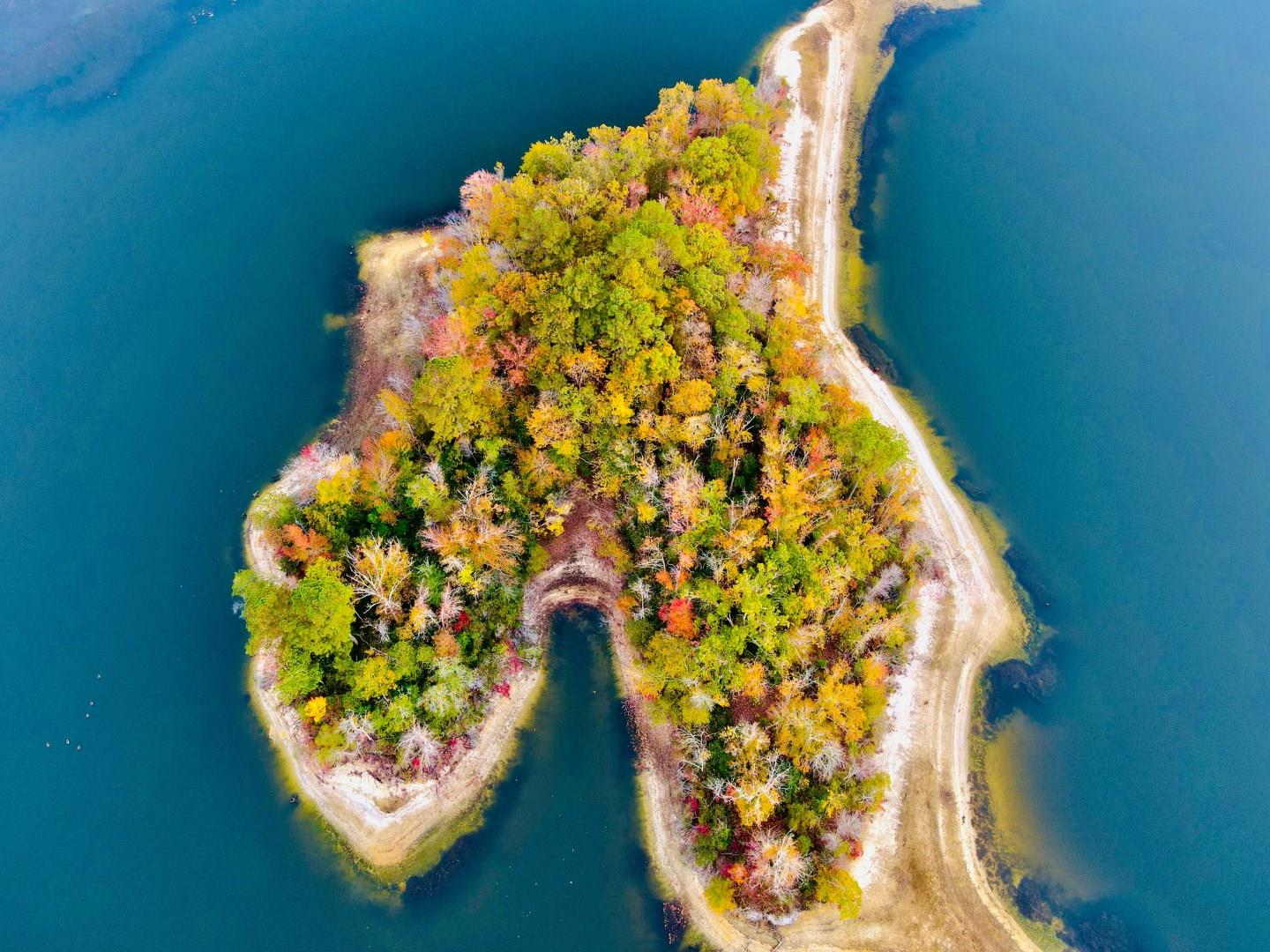
Williamsburg, Virginia offers visitors the unusual opportunity to walk through a fully reconstructed 18th-century city. As the capital of the Virginia Colony from 1699 to 1780, Williamsburg played a key role in early American politics and daily life. Today, Colonial Williamsburg spans over 300 acres and includes historic buildings, working tradespeople, and costumed interpreters who bring the Revolutionary era to life.
Paracas
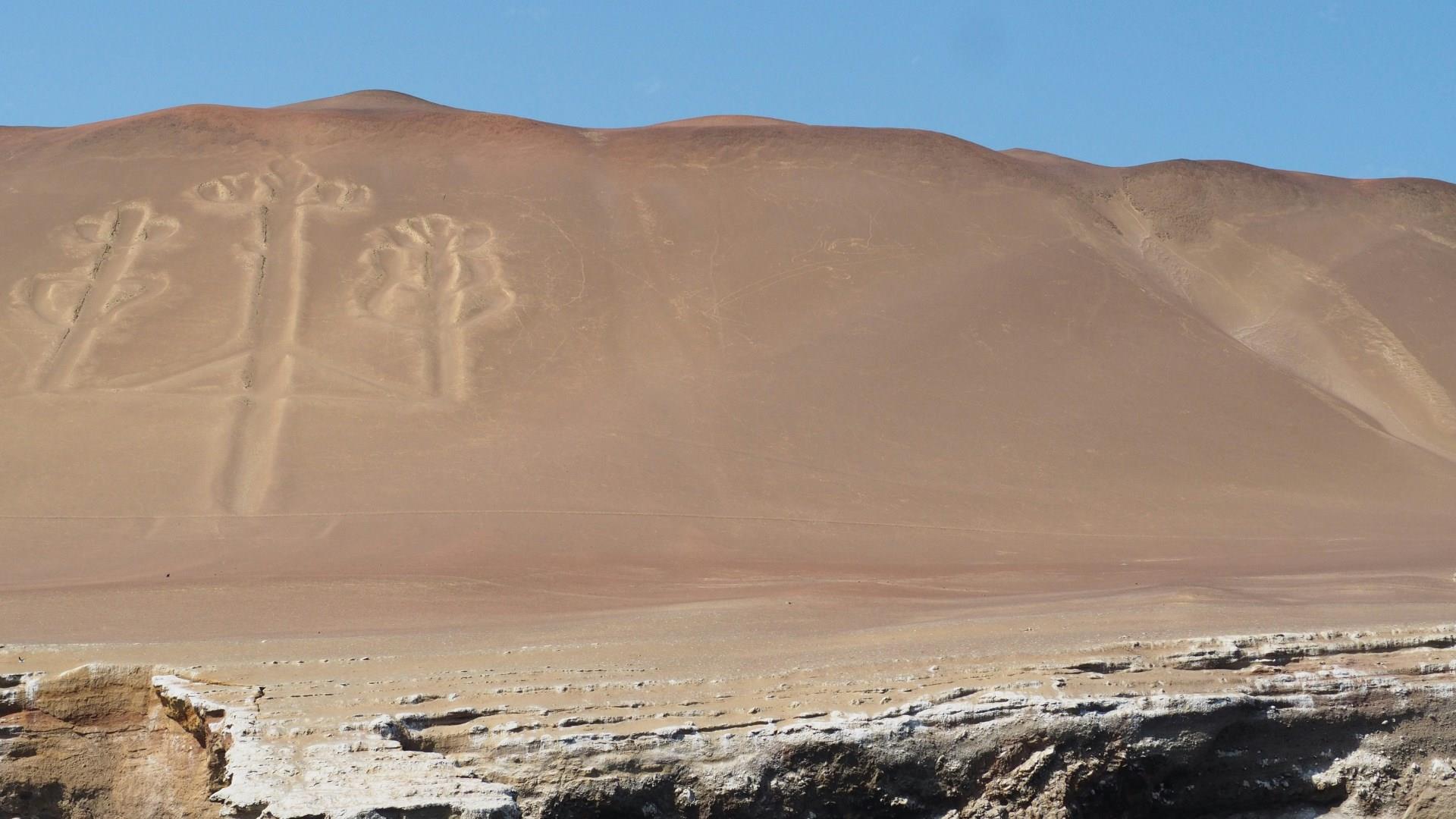
Paracas, a small coastal town in southern Peru, offers a mix of desert landscapes, marine wildlife, and ancient history. Just three hours from Lima, it’s the gateway to the Paracas National Reserve, one of the country’s most important protected areas. This reserve includes both land and sea, making it home to dramatic cliffs, wind-carved rock formations, and waters where dolphins, sea lions, and Humboldt penguins are frequently seen.
