

Jordan
Beyond its historical sites, Jordan's natural landscapes offer a diverse range of experiences. The Dead Sea, the lowest point on Earth's surface, is renowned for its buoyant waters and therapeutic mud, attracting visitors seeking relaxation and wellness. To the south, Wadi Rum's dramatic desert scenery, with its towering sandstone mountains and vast red dunes, provides a backdrop for adventure activities like jeep tours, camel rides, and stargazing.

Suzhou
Suzhou, often referred to as the "Venice of the East," enchants visitors with its labyrinth of canals, classical gardens, and rich silk heritage. Located in eastern China's Jiangsu Province, Suzhou is famed for its beautifully preserved classical Chinese gardens, which are UNESCO World Heritage Sites.

Tikal National Park
Tikal is one of the most extraordinary ancient cities in Guatemala, hidden deep in the Petén region’s tropical forests. Once called Yax Mutal by its Maya builders, these ruins reveal thousands of years of history in carved stone stelae and towering limestone structures, some of which rise more than 60 meters above the jungle floor. Today, visitors can walk among the Great Plaza and gaze up at the Temple of the Great Jaguar and the Temple of the Masks, reminders of the city’s long legacy.
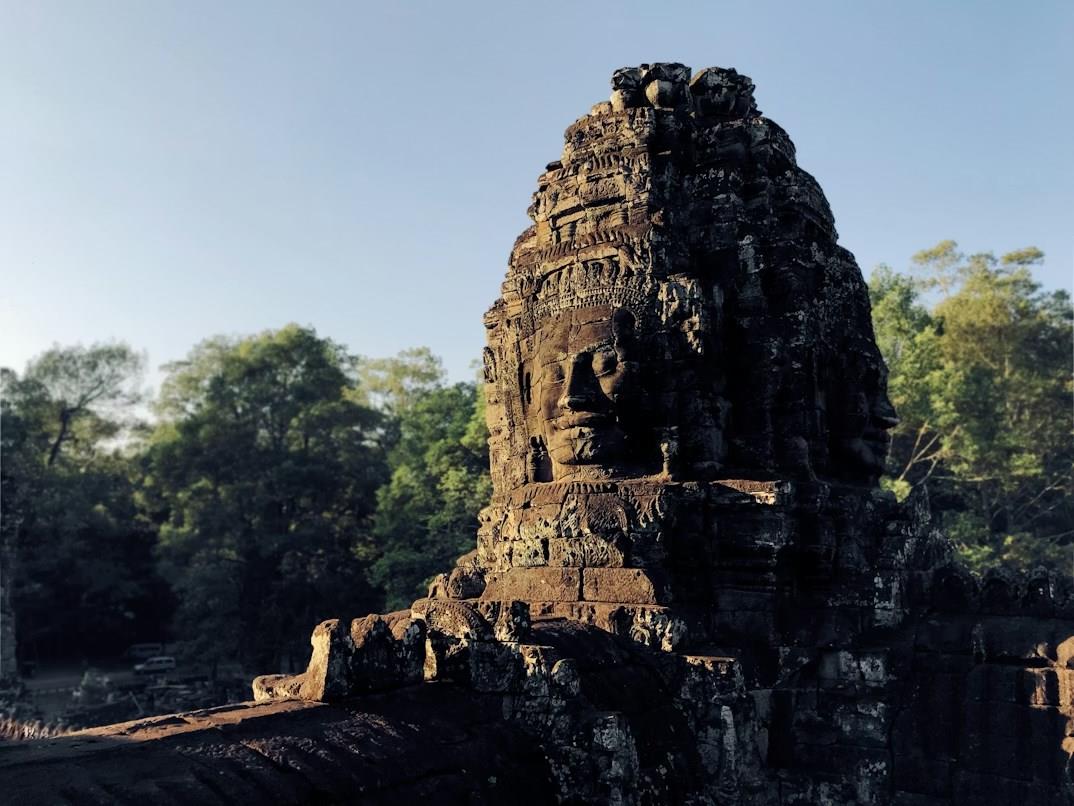
Angkor Thom
Angkor Thom was the last great capital of the Khmer Empire, established in the late 12th century under King Jayavarman VII in what is now northwestern Cambodia. Enclosed by massive stone walls and a wide moat, the city was designed as both a political center and a sacred landscape, symbolizing the cosmic order of the Khmer worldview.
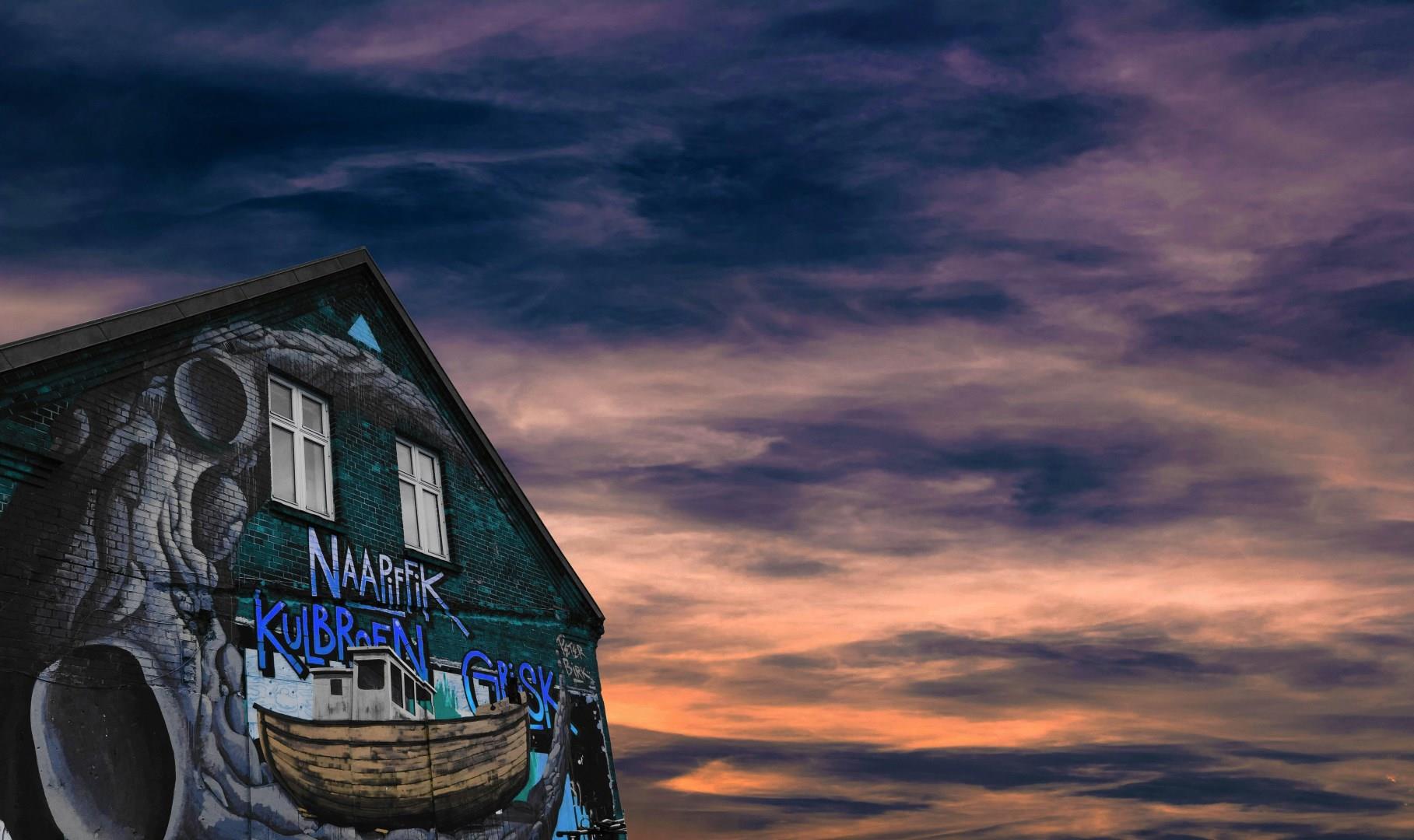
Aarhus
Aarhus, Denmark's second-largest city, offers a captivating blend of historical charm and modern vibrancy. Founded in the 8th century, Aarhus boasts a rich history that visitors can explore at the Old Town Museum, an open-air museum that recreates Danish life through the ages with its historical buildings and interactive exhibits. The city's medieval roots are also visible in the well-preserved Aarhus Cathedral.
