

Korčula
Korčula, a jewel in Croatia's Adriatic Sea, invites visitors to immerse themselves in its rich history and stunning natural beauty. Often referred to as "Little Dubrovnik," the city boasts well-preserved medieval architecture, narrow cobblestone streets, and a fortified old town encircled by ancient walls.
Sheffield
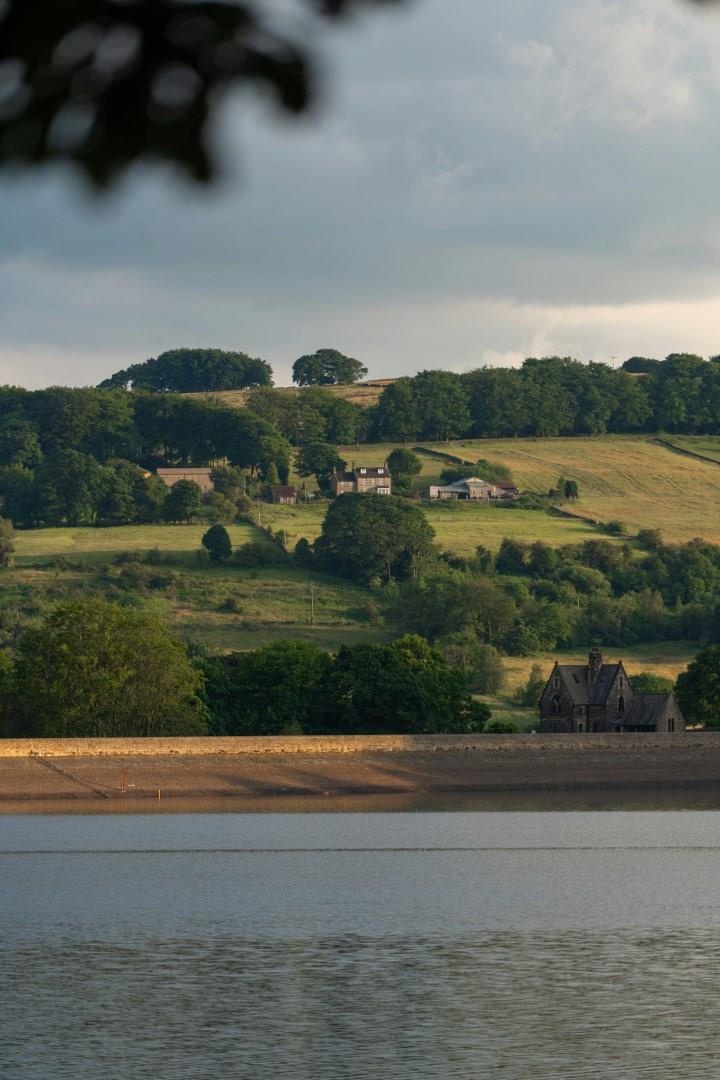
Sheffield, once the global heart of the steel industry, has evolved into a city where industrial heritage meets green landscapes and a growing creative scene. Known historically for innovations like stainless steel, Sheffield still celebrates its roots at sites like the Kelham Island Museum, where restored machinery and interactive exhibits tell the story of the city’s engineering legacy.
Westport
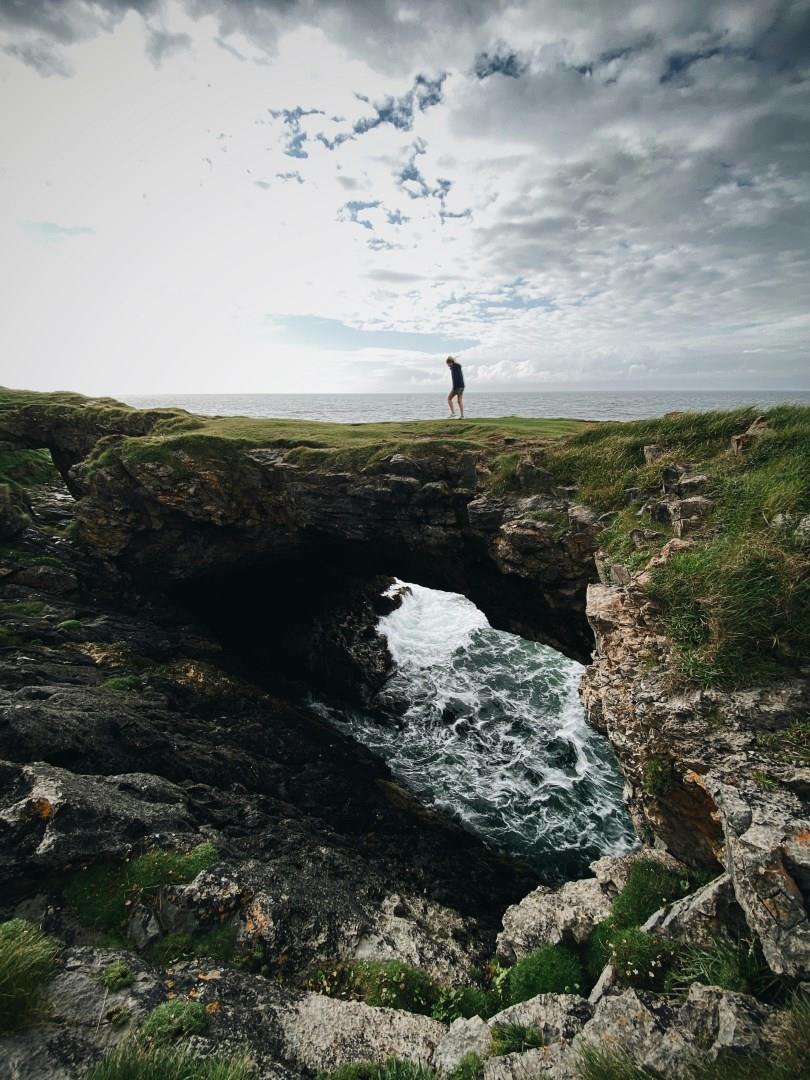
Westport, located on Ireland’s west coast in County Mayo, is a charming town renowned for its picturesque streets, lively cultural scene, and proximity to some of Ireland’s most scenic landscapes.
Eritrea
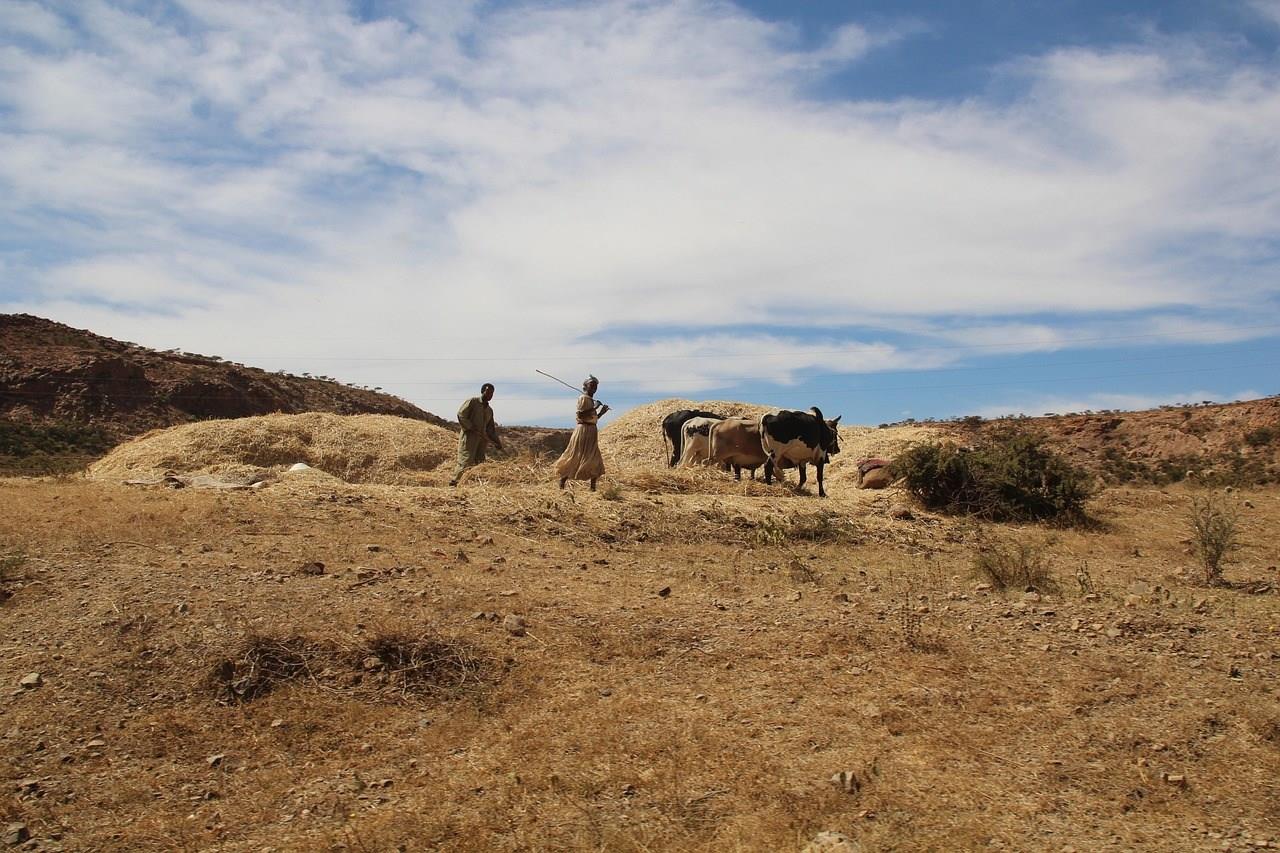
Eritrea, located along the Red Sea in the Horn of Africa, offers a fascinating blend of history, diverse landscapes, and rich cultural traditions.
Bikini Atoll
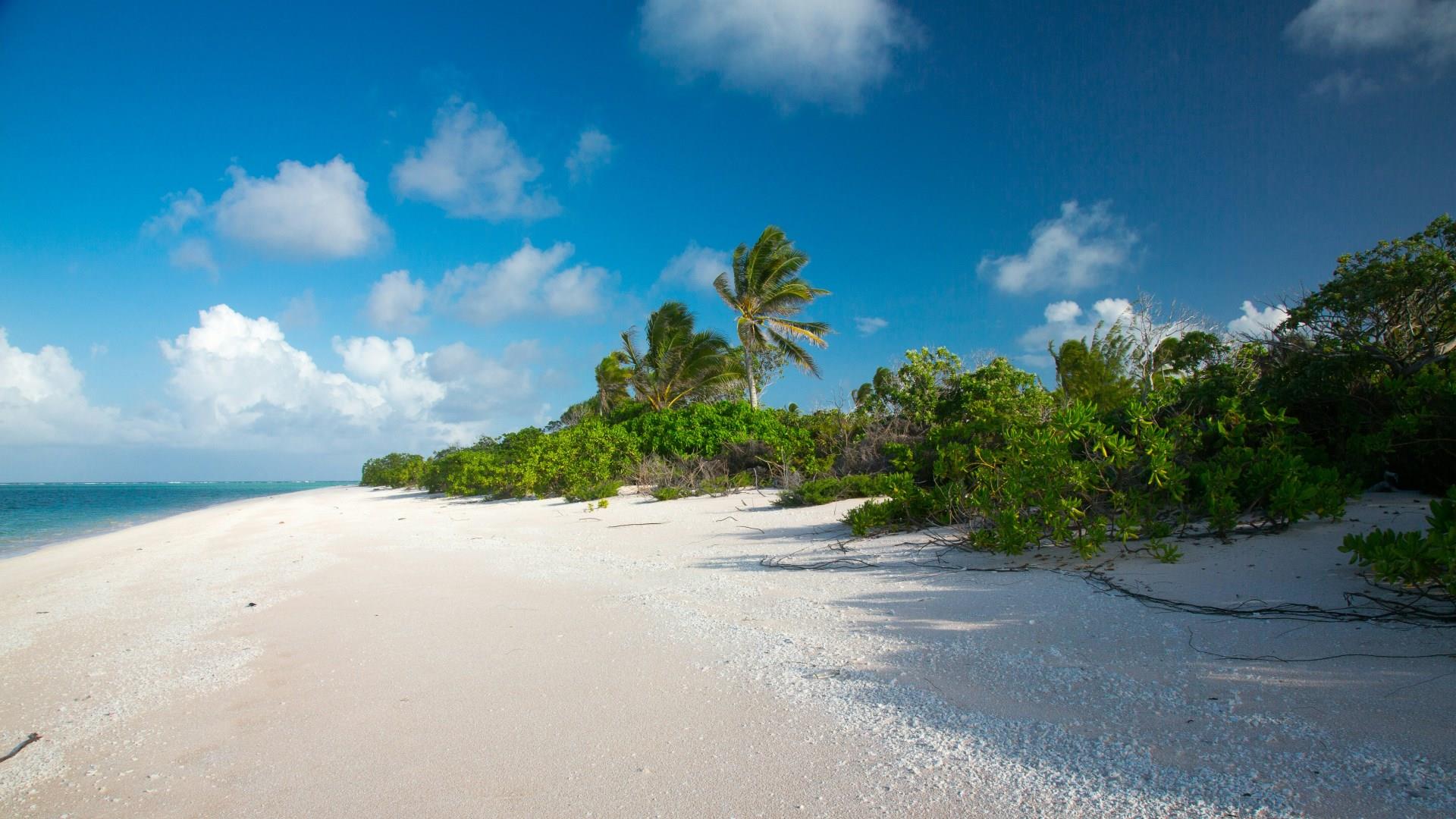
Bikini Atoll, a remote ring of islands in the Marshall Islands, is one of the most sought-after wreck diving locations in the world. These underwater sites are preserved in a time capsule-like state, providing a rare look at history submerged in a silent world of coral and marine life.
