
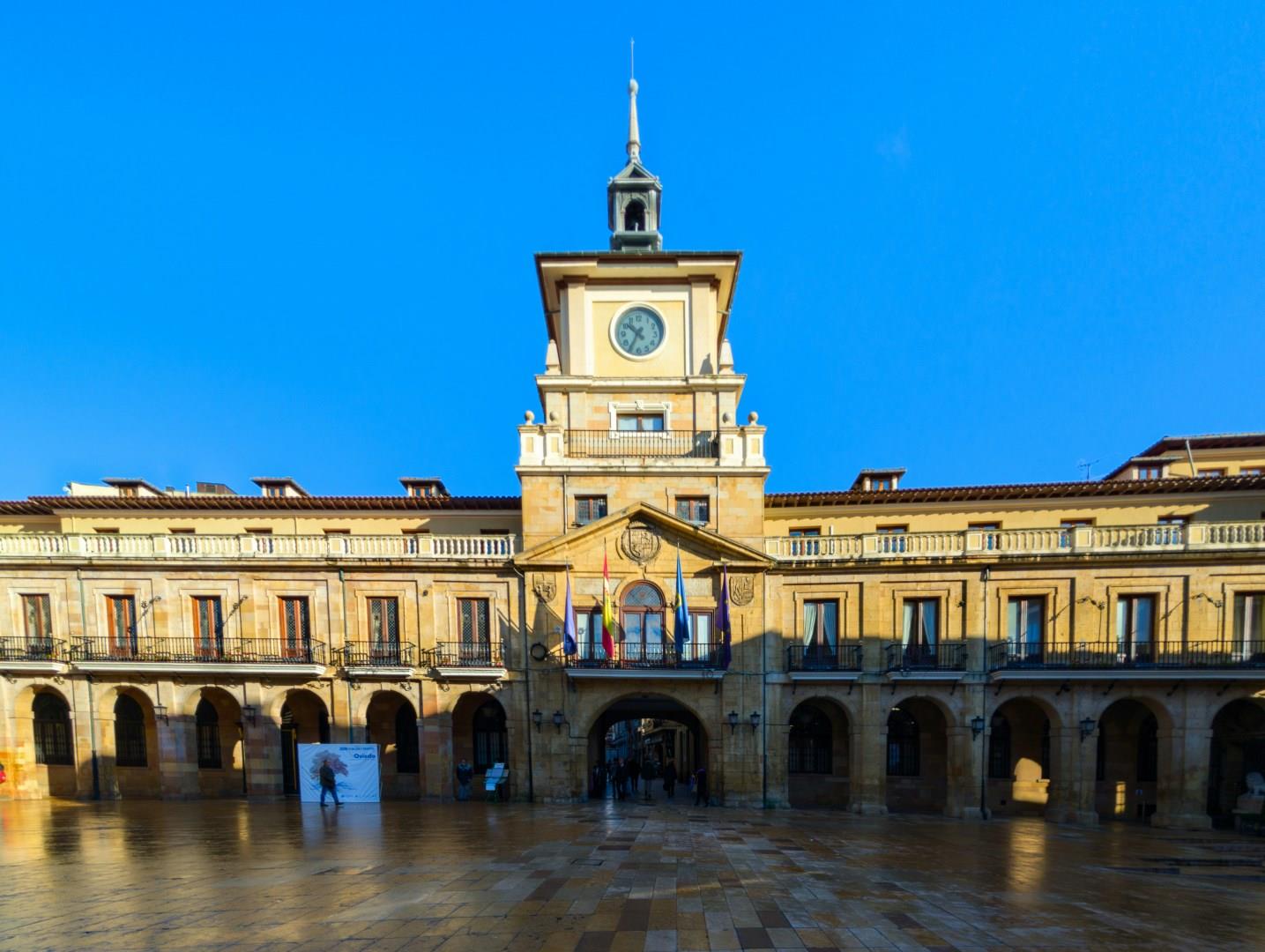
Oviedo
Oviedo, the capital of Asturias in northern Spain, offers a rare mix of medieval heritage and everyday life that feels rooted rather than staged. The city’s historic center is home to some of the oldest pre-Romanesque buildings in Europe, including the UNESCO-listed Santa María del Naranco and San Miguel de Lillo. Cider, not wine, defines the local table. Oviedo is surrounded by apple orchards, and the traditional drink, sidra natural, is poured from a height by skilled escanciadores.

Strasbourg
This vibrant and picturesque city sits near the German border and is the 2nd most popular tourist city in France. Its historic city center is classified a World Heritage Site by UNESCO, and the Stasbourg Cathedral is one of the finest examples of Rayonnant Gothic architecture.

Caribbean
The Caribbean is a region of vibrant cultures, sunlit shores, and a rich blend of traditions shaped by centuries of history. Scattered across turquoise waters, its islands each offer a unique personality, some bustling with colorful markets and lively music, others known for tranquil beaches and unspoiled nature.

Petra
Tucked between Jordan's sandstone cliffs in the southwestern desert, Petra was carved directly into rose-colored rock more than 2,000 years ago. Visitors approaching through the narrow gorge known as the Siq are rewarded with their first glimpse of Al-Khazneh, the Treasury, a towering facade that seems to appear from another world.
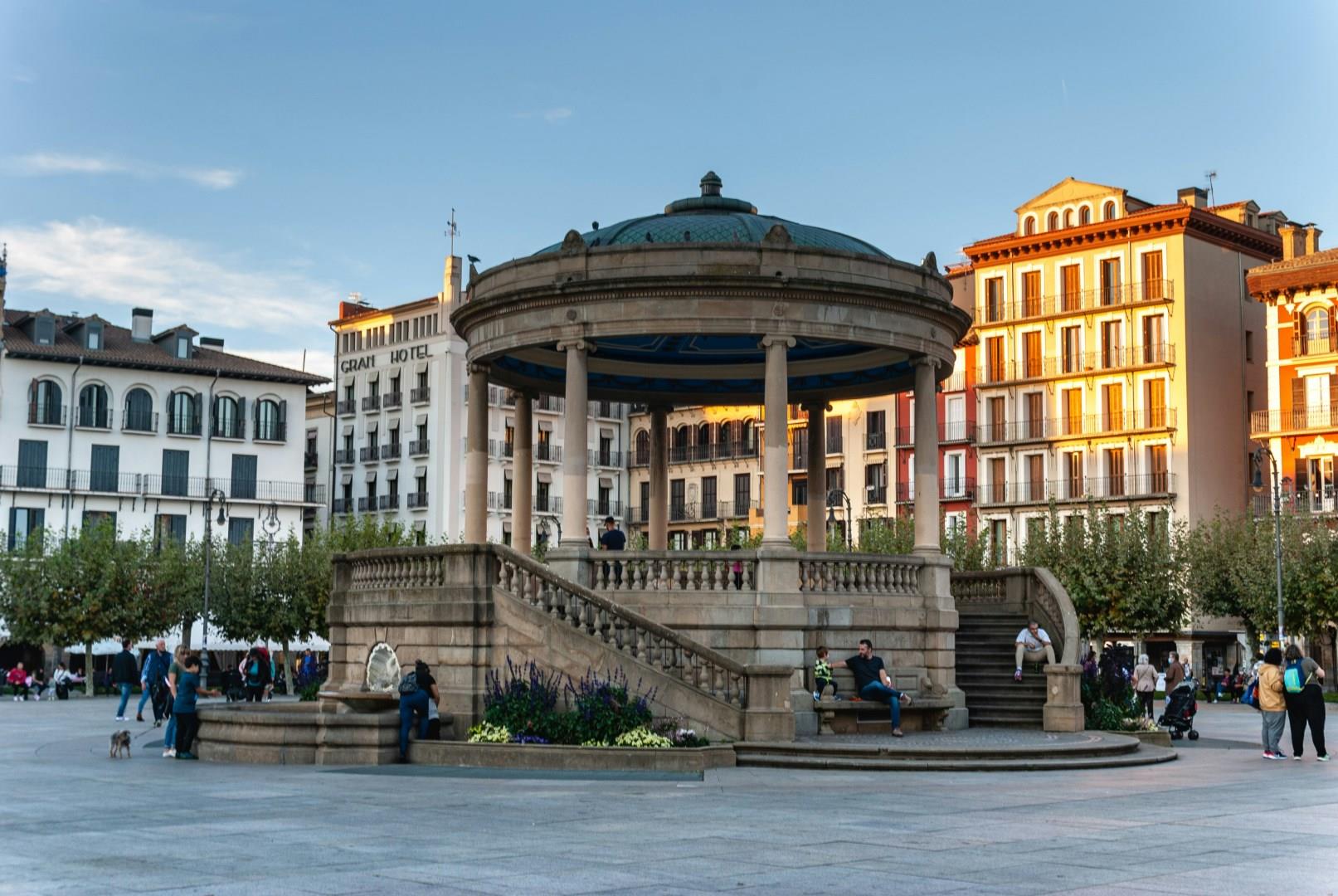
Pamplona
Pamplona, the capital of Spain’s Navarre region, is best known worldwide for the Running of the Bulls during the San Fermín festival each July. But beyond the brief rush of that event lies a city steeped in medieval history, Basque influence, and a slower pace that surprises many visitors. One of the most significant aspects of Pamplona is its place on the Camino de Santiago, the ancient pilgrimage route to Santiago de Compostela.
