

Puno
Situated on the shore of Lake Titicaca, Puno is referred to as the folkloric capital of Peru due to its artistic and cultural expressions, particularly dance. Notable landmarks include the Andean baroque-style Puno Cathedral and the Yavari, a 19th-century steamship. Products created from alpaca, llama, or sheep wool are a signature of the area, as well as musical instruments like the siku.

Osaka
Osaka is a city that thrives on contrasts with centuries-old castles sit just blocks from neon-lit arcades and high-speed trains. Once known as “Japan’s kitchen” during the Edo period, Osaka played a key role in rice trading and food distribution across the country. Today, visitors can walk the grounds of Osaka Castle, originally built in the 16th century by Toyotomi Hideyoshi, and take in panoramic city views from the top floor of its museum.

Angkor Ban
A visit to Angkor Ban offers a unique opportunity to step back in time and witness a Cambodia that remains untouched by modern development. Whether admiring the historic wooden houses, visiting the temple, or engaging with friendly locals, travelers will find this riverside village a rewarding cultural experience.

Piraeus
Seven miles outside of historic Athens, the Greek coastal city of Piraeus lies upon the sparkling waters of the Aegean Sea and is the largest passenger port in Europe, servicing nearly 20 million passengers per year.
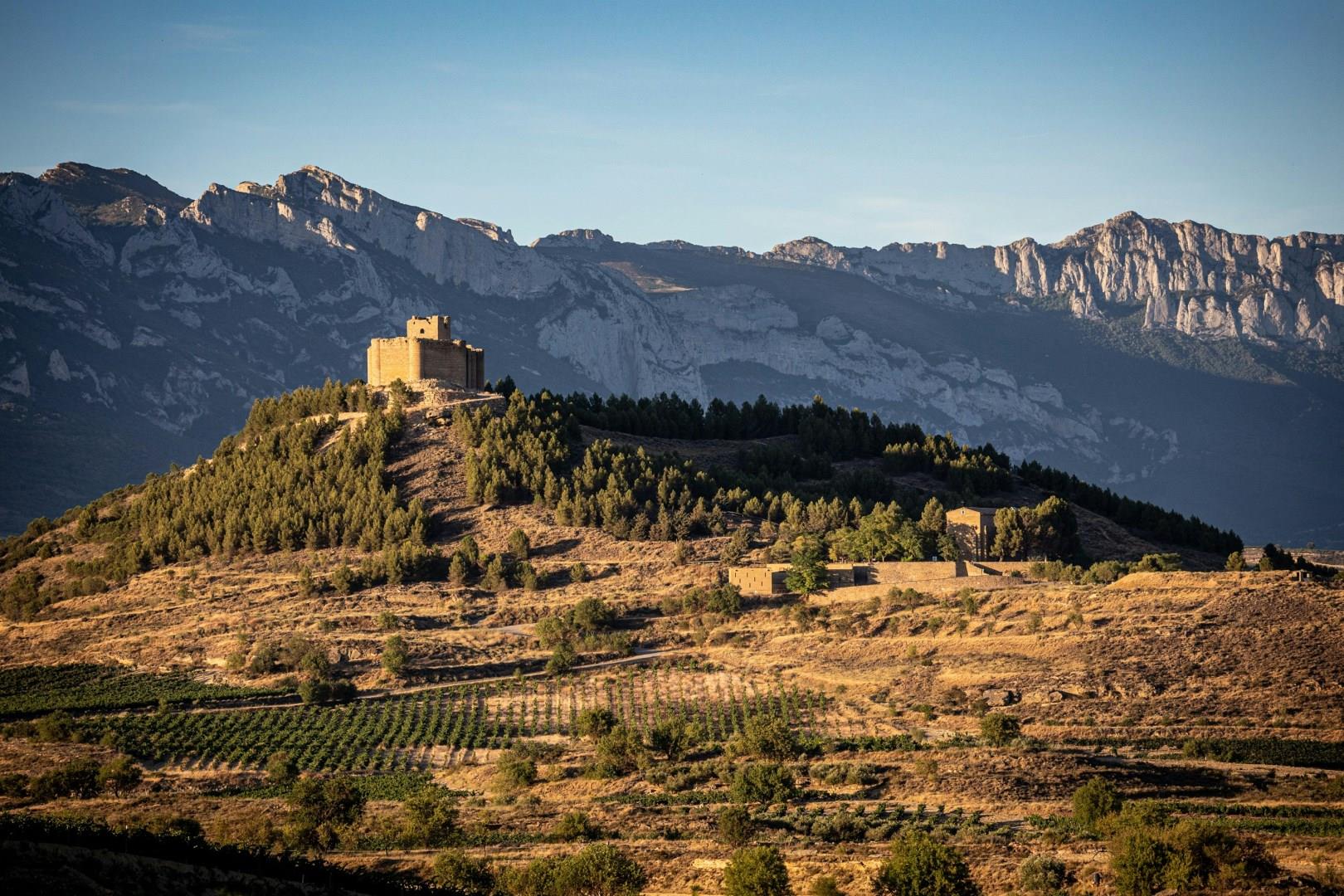
La Rioja
La Rioja, located in northern Spain, is best known for its wine, but the region offers much more than vineyard views. Its capital, Logroño, sits along the Camino de Santiago and has welcomed travelers for centuries. The city’s historic center is compact and lively, with narrow streets lined by centuries-old churches, pintxo bars, and quiet plazas.
