

Jasper
Explore Jasper, Alberta and gaze in awe at one of Canada’s most beautiful national parks in the Canadian Rockies. A veritable paradise for the bold traveler, Jasper National Park has no shortage of natural marvels guaranteed to take your breath away.

Malta
Malta, a small island nation in the heart of the Mediterranean, offers visitors a rich blend of history and vibrant local culture. Its capital, Valletta, is a UNESCO World Heritage site filled with grand Baroque architecture, narrow streets, and significant historical landmarks like St. John’s Co-Cathedral, home to masterpieces by Caravaggio. The city's fortifications tell stories of centuries of military importance, guarding one of Europe’s busiest harbors.
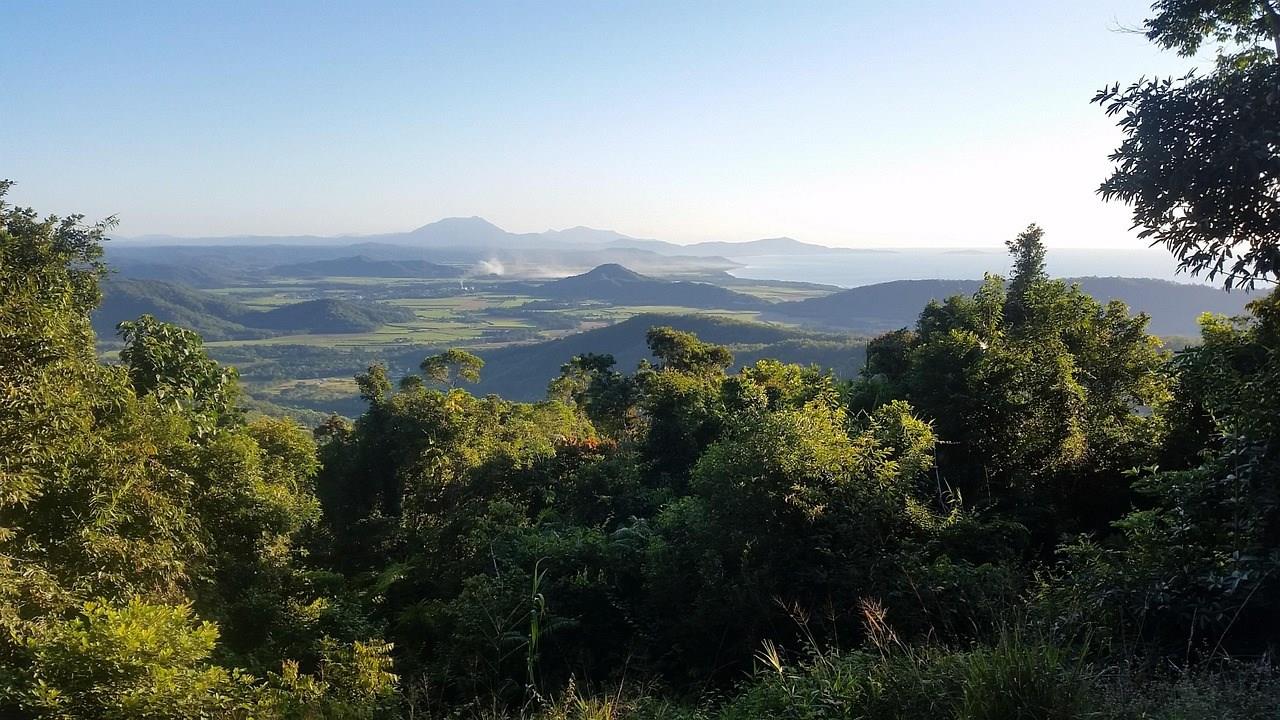
Port Douglas
Australia’s Port Douglas is a tropical escape tucked between two natural wonders: the Great Barrier Reef and the Daintree Rainforest.

Whitehorse
Whitehorse, the capital of Canada’s Yukon Territory, sits along the Yukon River and serves as the cultural, economic, and transportation heart of the North. Its history is closely tied to the Klondike Gold Rush of the late 1890s, when prospectors passed through the area on their way to Dawson City.

Franz Josef Glacier
Accessible glacier located on New Zealand's South Island. Visitors can take guided hikes of Franz Jose to view its tunnels, crevasses and caves.
