

Las Vegas
Las Vegas, Nevada, is an electrifying city where glitz and glamour meet entertainment and excitement. Known as "The Entertainment Capital of the World," Las Vegas offers an unparalleled array of attractions, from its iconic casinos and luxurious hotels to its world-class dining and live shows. The city's entertainment scene is second to none, featuring legendary headliners, cutting-edge performances, and an array of themed attractions.

Münich
Munich is known for its architecture, fine culture, the annual Oktoberfest beer celebration, its vibrant cultural scene and its museums. But there is much more to Munich than Oktoberfest! For traditional Bavarian beauty, don't miss out on Neuschwanstein Castle, one of the most visited castles in Germany.
Recife
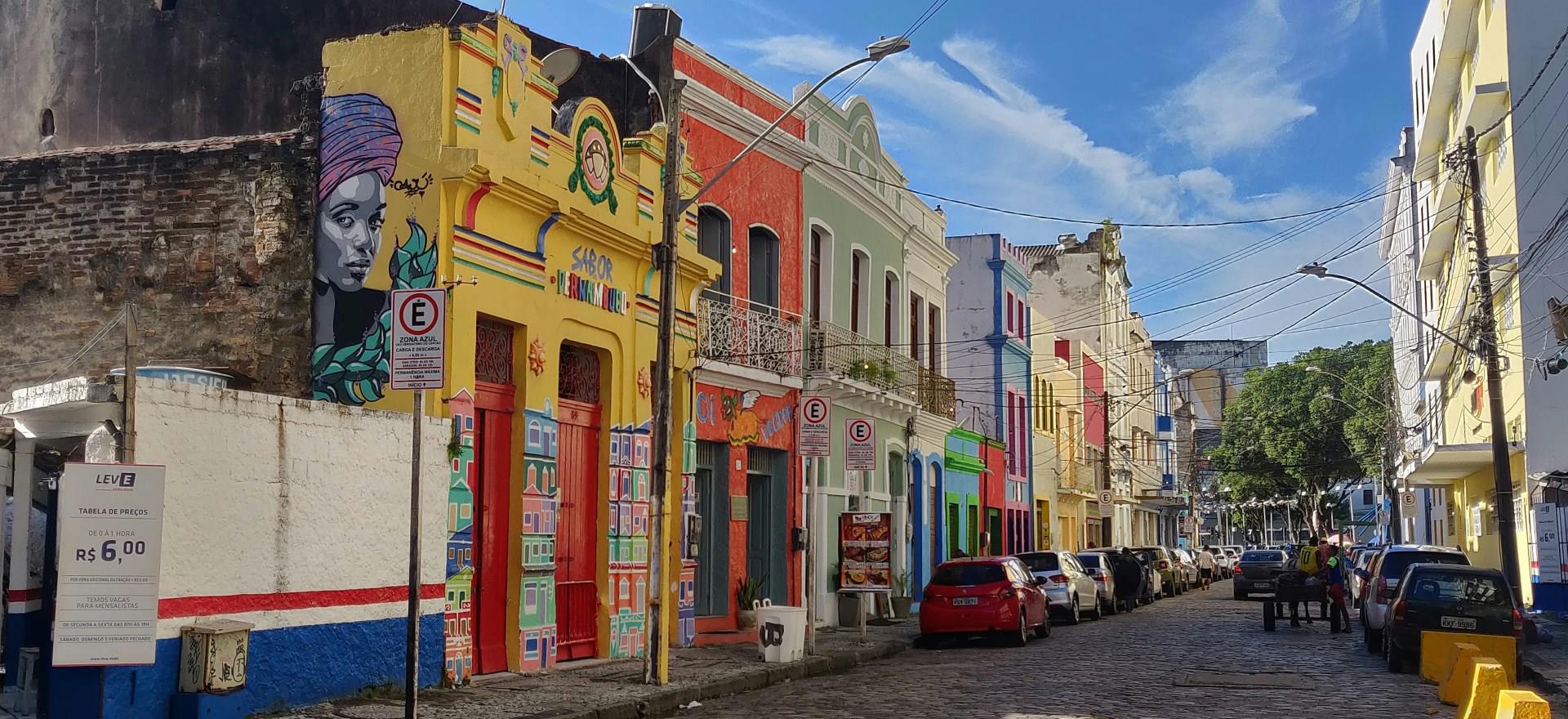
Recife, the vibrant capital of Pernambuco in northeastern Brazil, is a city where history, culture, and natural beauty intertwine to create an unforgettable destination. Known as the "Venice of Brazil" due to its many waterways, bridges, and islands, Recife offers visitors a unique blend of colonial architecture, modern urban life, and stunning coastal landscapes.
Morocco
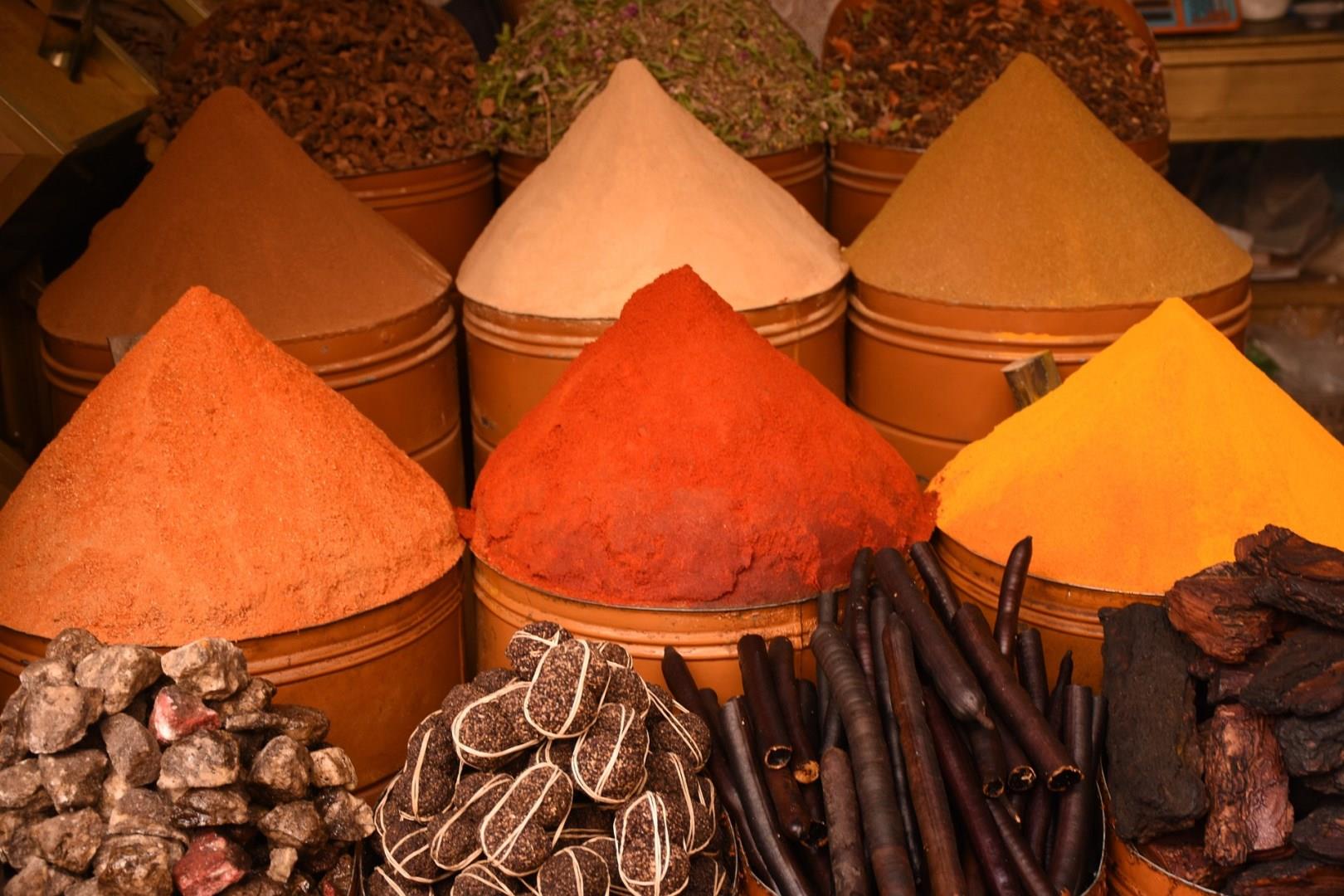
Morocco, at the crossroads of Africa and Europe, offers travelers a remarkable journey through history, culture, and landscapes that are as diverse as they are captivating. From bustling medinas to sweeping deserts and dramatic coastlines, the country blends centuries-old traditions with a vibrant modern spirit.
Lillehammer
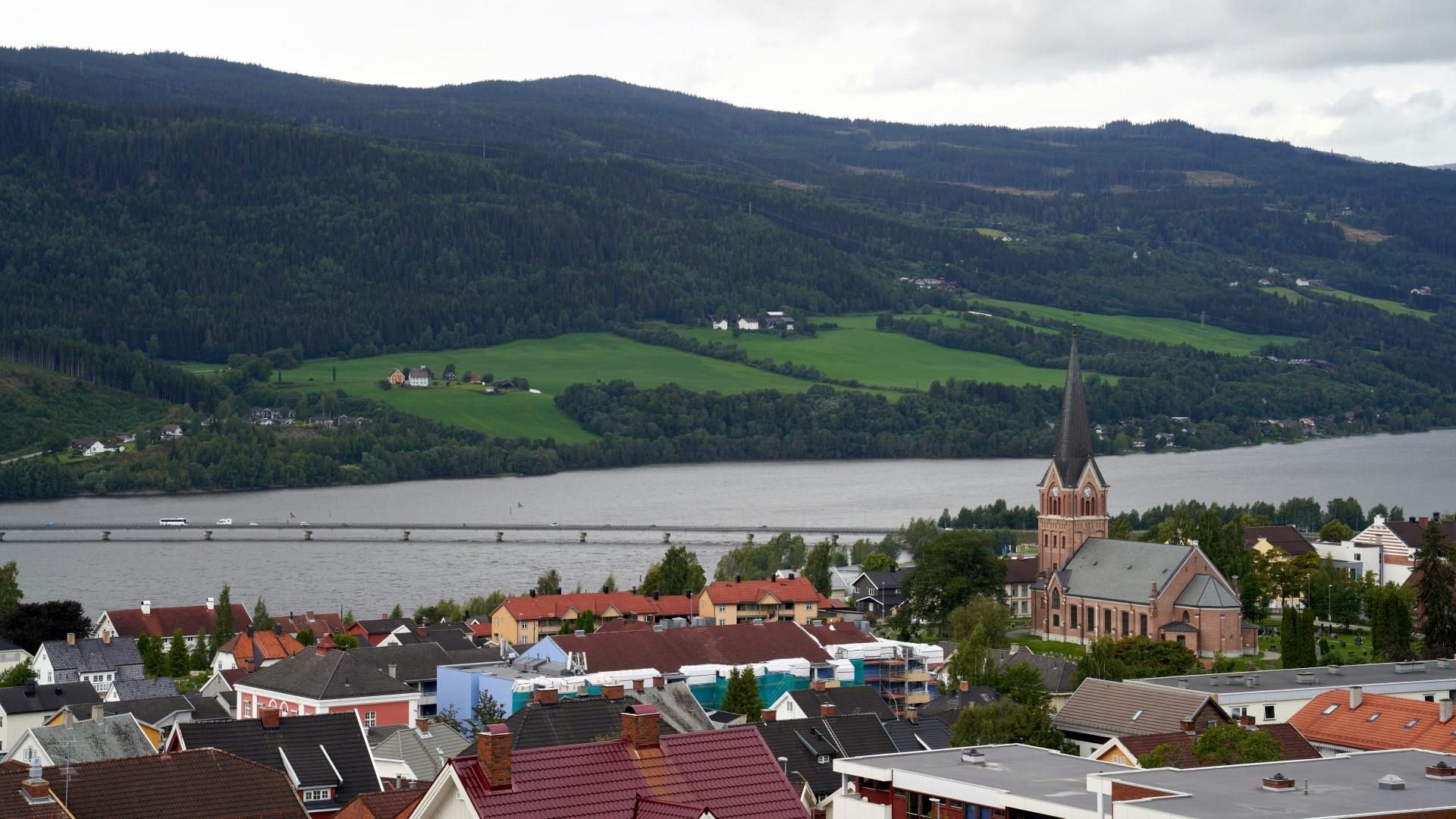
Lillehammer, nestled along the northern shores of Norway’s Lake Mjøsa and framed by pine-covered hills, is a town that blends natural beauty with cultural richness. Famous for hosting the 1994 Winter Olympics, Lillehammer has leveraged its global spotlight to cultivate attractions that celebrate both its sporting legacy and artistic heritage.
