
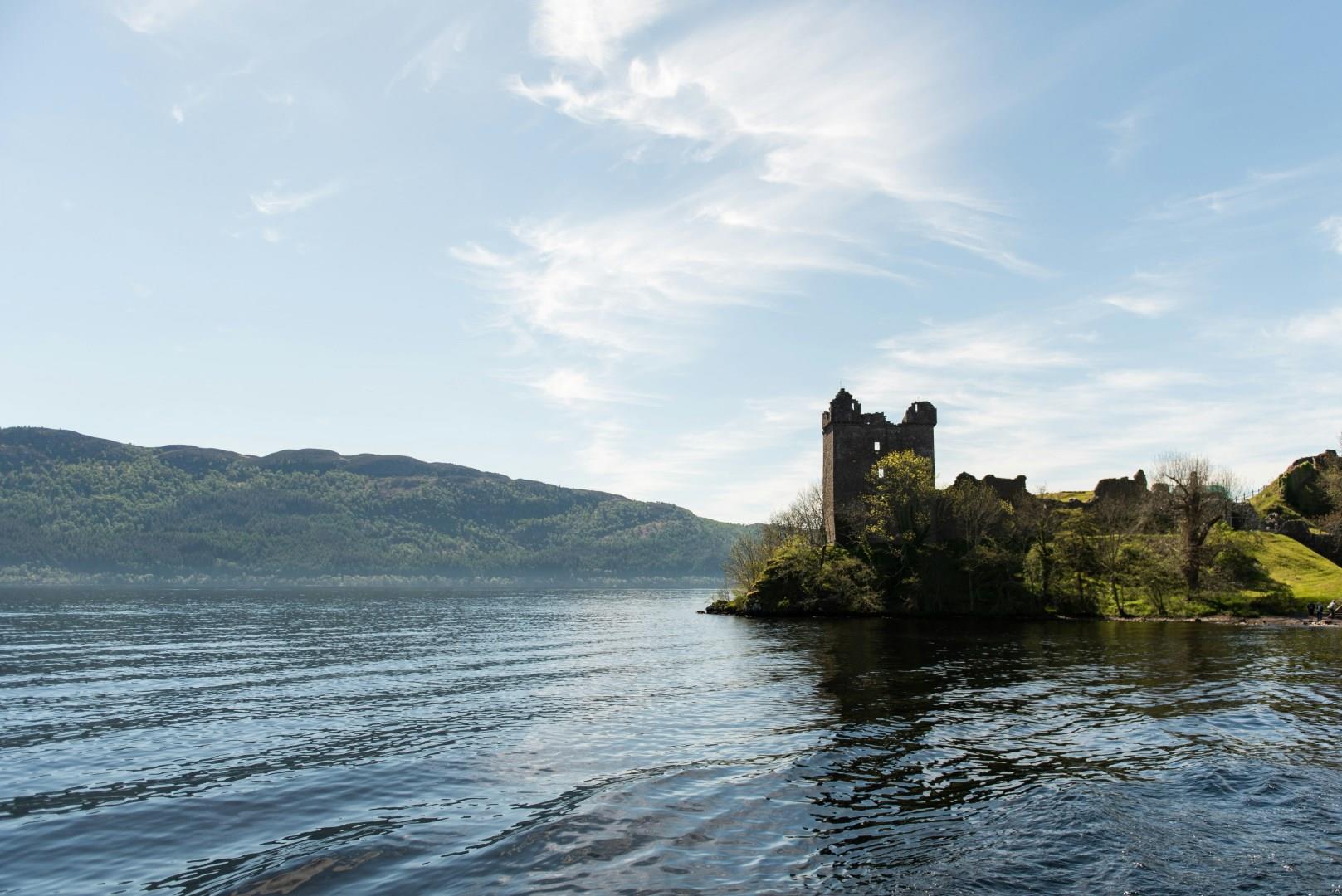
Loch Ness
Loch Ness stretches over 23 miles through the Scottish Highlands, holding more freshwater than all the lakes in England and Wales combined. Best known for its elusive resident, the so-called Loch Ness Monster, the loch has sparked international curiosity since the first modern "sighting" in 1933. While Nessie remains elusive, the surrounding landscape offers clear reasons to visit with steep hillsides, forested trails, and ancient ruins framing one of Scotland’s most iconic bodies of water.

Wellington
On Cook Strait sits Wellington, New Zealand's charming windy city. Must-sees here include the waterfront, the lovely beaches, and the Wellington Cable Car that takes riders to botanical gardens. For cultural exposure, visit The Museum of New Zealand Te Papa Tongarewa, with its Maori national treasures and art gallery. Wellington Zoo is another key attraction, and features Tahi, a one-legged kiwi, as its mascot.

Zion National Park
Zion National Park, located in southwestern Utah, is known for its massive sandstone cliffs, narrow slot canyons, and unique desert ecosystems. Established in 1919, it was Utah’s first national park and continues to attract visitors with its dramatic elevation shifts and striking rock formations. The park’s most iconic feature, Zion Canyon, stretches for 15 miles and reaches depths of up to 2,640 feet, carved over time by the Virgin River.

Saint John
Saint John is a culturally-rich seaport city on New Brunswick's Bay of Fundy. History and natural wonders combine to make this locale a hidden Canadian gem.

Cuenca
Nestled in the Andes Mountains, Cuenca, Ecuador, is a city that seamlessly blends colonial charm, cultural richness, and natural beauty. Known as the “Athens of Ecuador” due to its vibrant intellectual and cultural life, Cuenca's historic center is a UNESCO World Heritage Site that delights visitors with its cobblestone streets, whitewashed buildings, and red-tiled roofs.
