
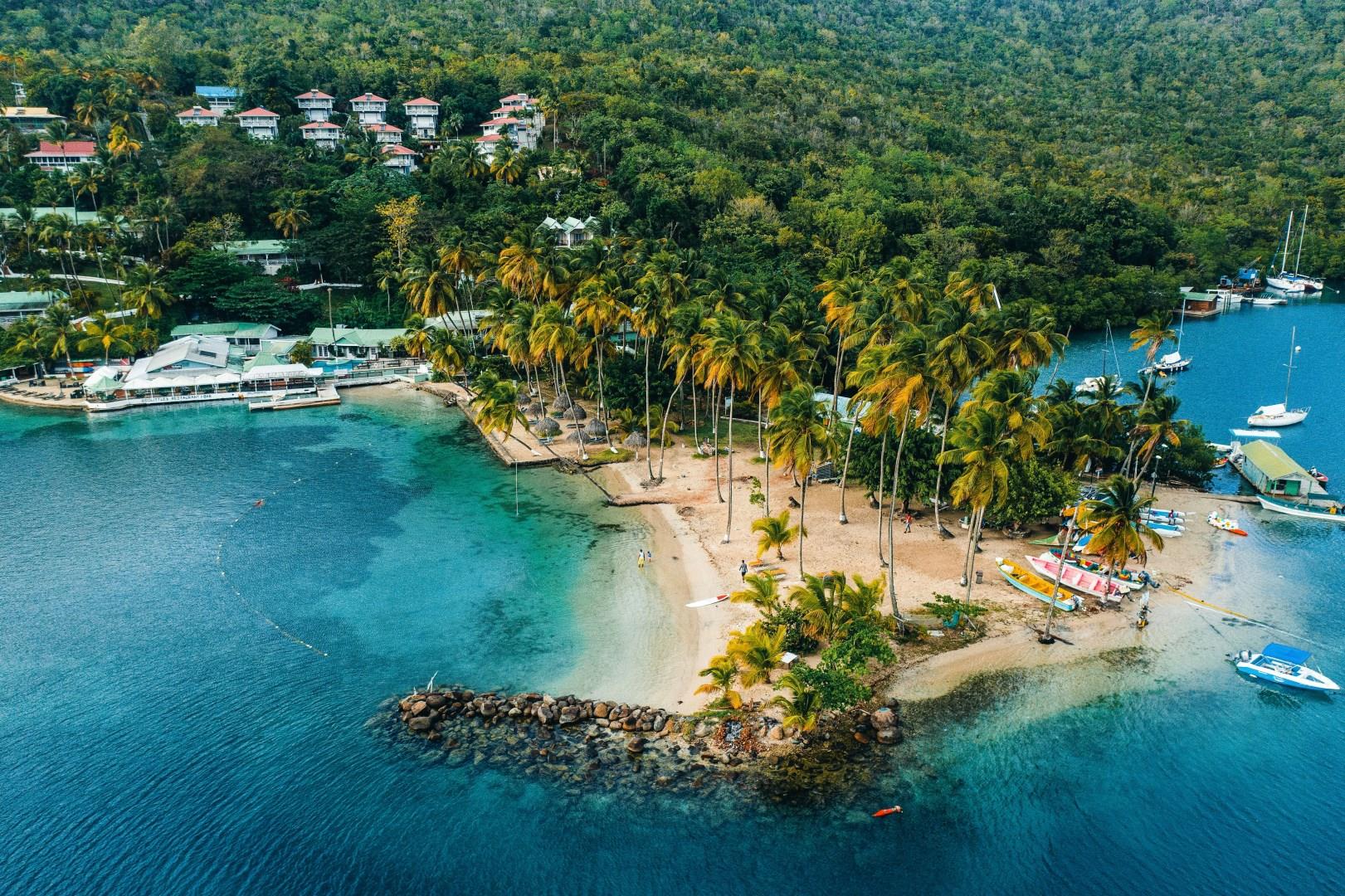
Marigot Bay
Marigot Bay, located on the western coast of Saint Lucia, is often regarded as one of the Caribbean’s most picturesque natural harbors. Enclosed by lush green hills and swaying palms, the bay has long drawn sailors, writers, and filmmakers.
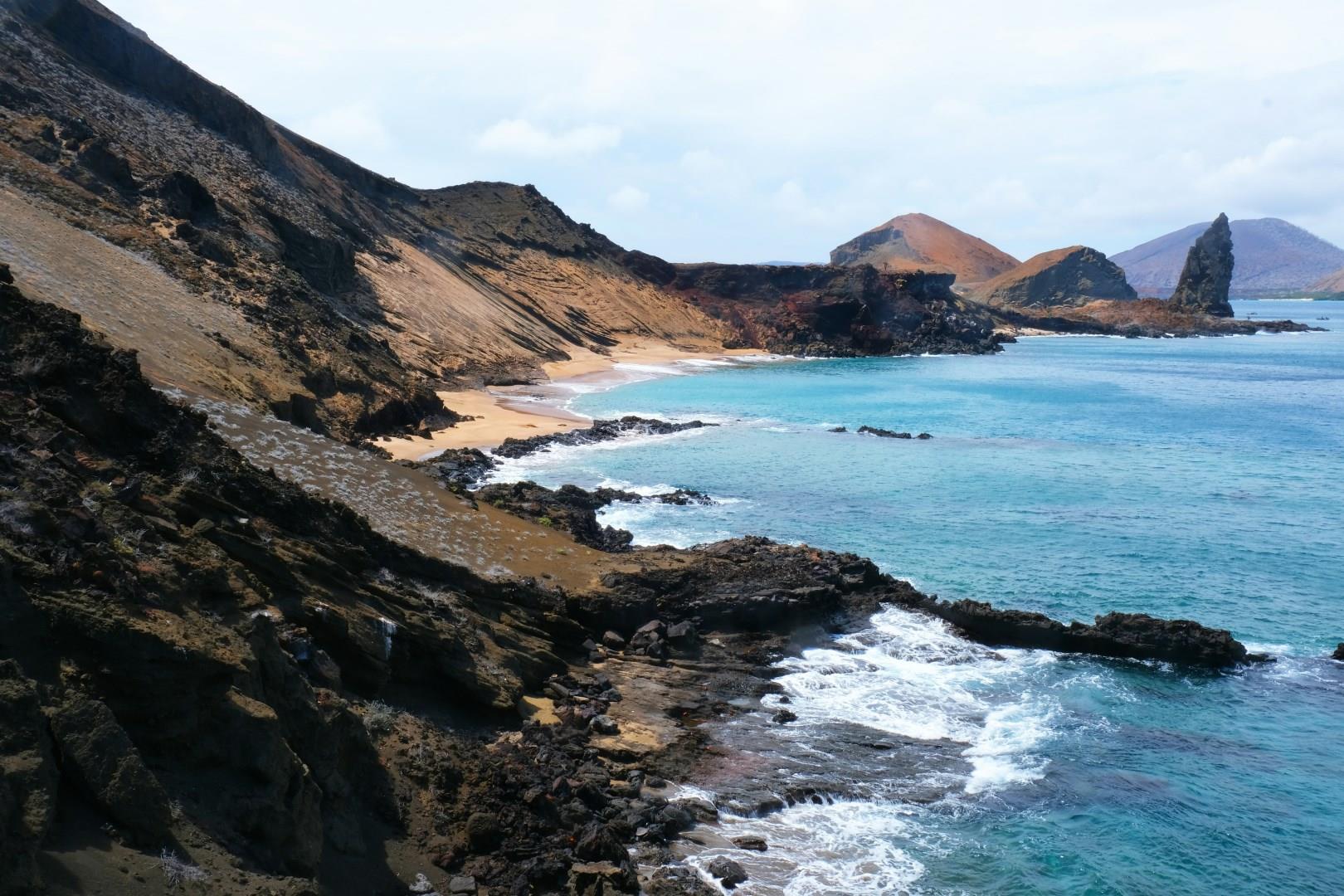
Bartolome Island
Bartolomé Island, one of the most iconic destinations in the Galápagos archipelago, is known for its dramatic volcanic landscape and the postcard-perfect view from its summit. Just off the east coast of Santiago Island, this uninhabited islet draws visitors for its unique terrain with lava flows, spatter cones, and a rust-colored cinder cone that rises sharply above the sea.

Philipsburg
The capital of Saint Maarten, the Dutch side of this two nation island, Philipsburg is located on the isthmus between Groot Baai (Great Bay) and the Salt Pond. Founded in 1733 as a free port, the city is now the home to outstanding shopping, casinos, and a variety of hotels and resorts, including nearby Mullet Bay Resort and Golf Club.
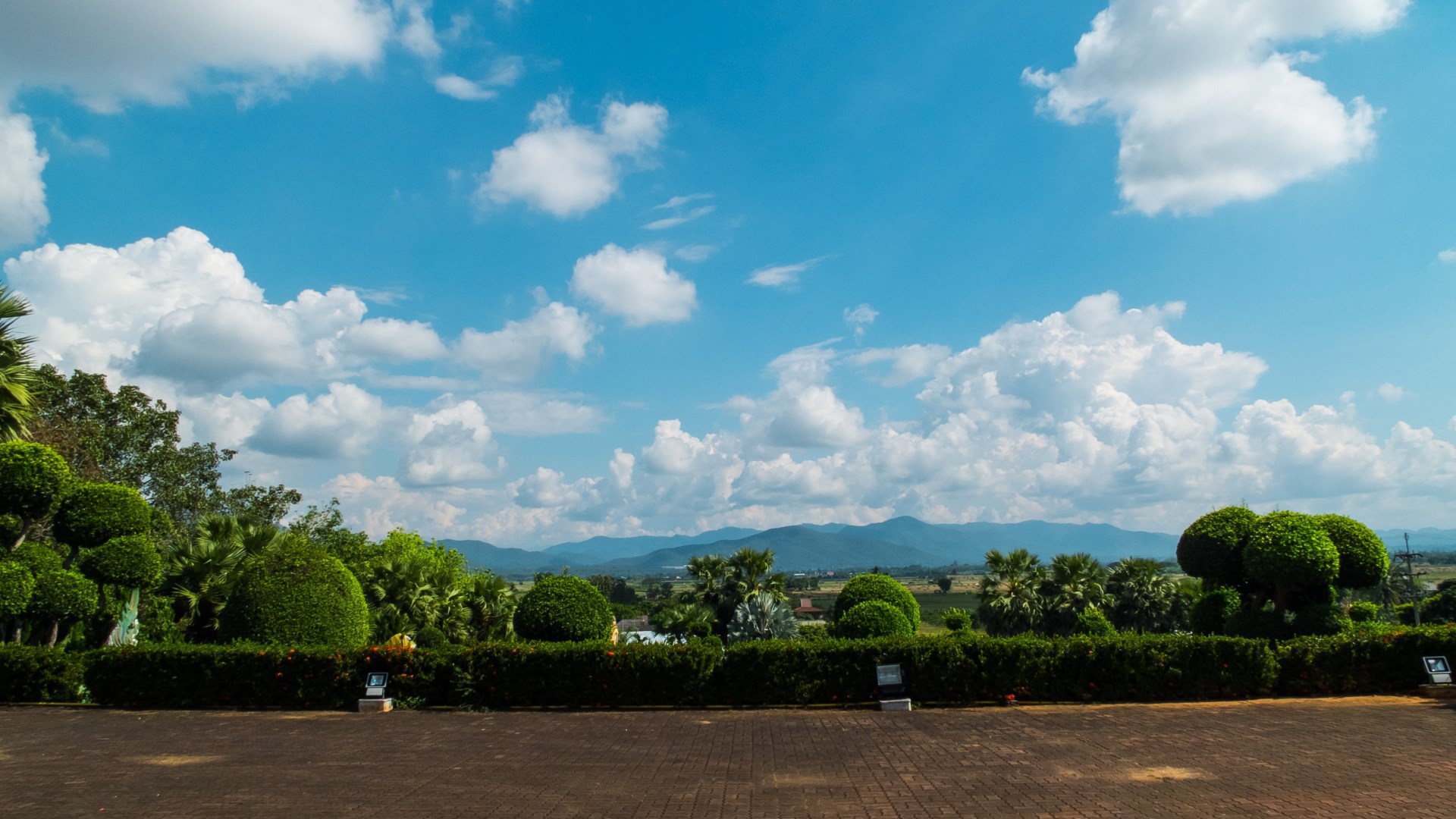
Mae Taeng
Set in the lush northern hills of Mae Taeng, Chiang Mai Province, Thailand, this district offers a quieter gateway into Thailand’s countryside. Just beyond the bustle of Chiang Mai, the landscape shifts into rolling mountains, dense forests, and winding rivers. The Mae Taeng River flows steadily through the valley, shaping both the scenery and daily life.

Prizren
Prizren, nestled in the picturesque valley of the Sharr Mountains in Kosovo, is a city where history and culture converge in a remarkably scenic setting. Known for its well-preserved Ottoman architecture, Prizren offers a rich tapestry of historical sites, including the iconic Sinan Pasha Mosque and the ancient Kaljaja Fortress, which overlooks the city from its commanding hilltop.
