
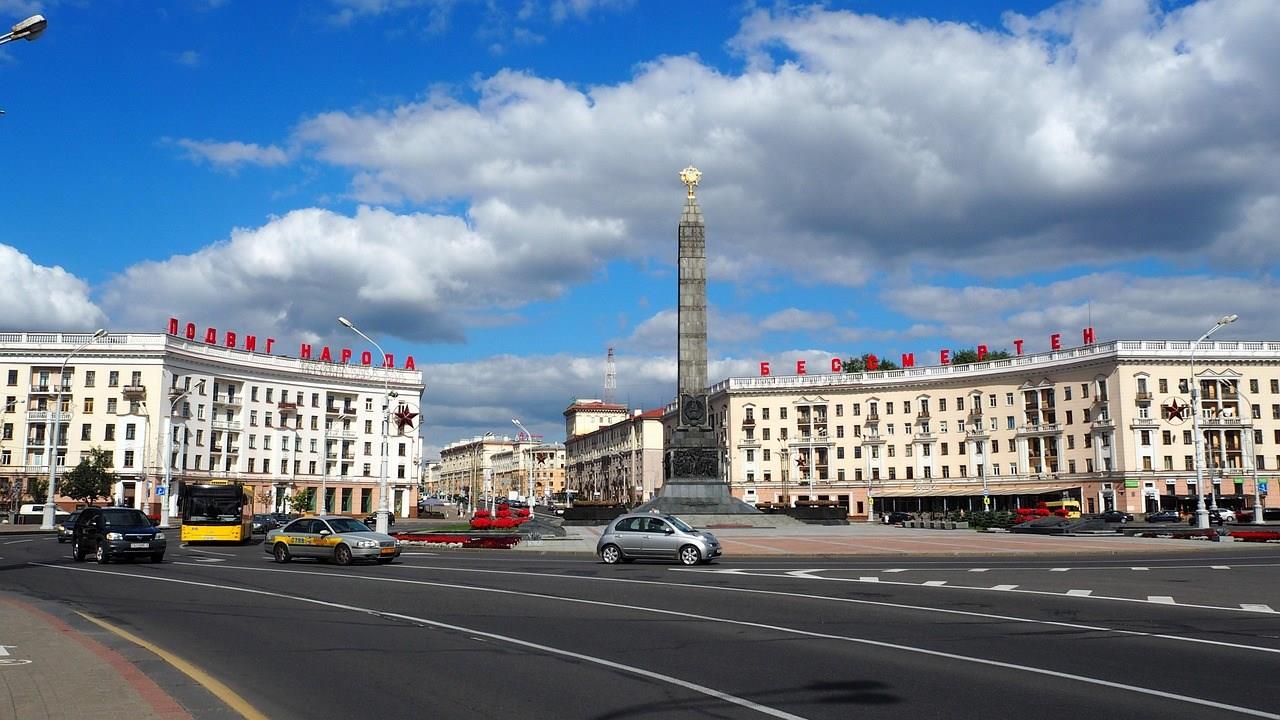
Minsk
Minsk, the capital of Belarus, is a city rich in history, culture, and architectural beauty. As one of the oldest cities in Europe, it has a unique charm that blends Soviet-era monumentalism with modern urban development.

Haugesund
Haugesund, located on the southwestern coast of Norway, is known for its rich Viking heritage and natural landscapes. The town's maritime history is celebrated at the Nordvegen History Centre, where you can learn about the Viking kings who once ruled the area. Nature enthusiasts will appreciate the proximity to the Folgefonna Glacier, where they can enjoy guided glacier hikes and breathtaking views of the surrounding fjords.

Ulm
Ulm, Germany, a picturesque city on the banks of the Danube River, offers a rich tapestry of history and modern charm. Dominating its skyline is the Ulm Minster, home to the tallest church steeple in the world at 161.5 meters (530 feet). This Gothic masterpiece invites visitors to climb its 768 steps for a breathtaking panoramic view of the city and the surrounding countryside.

Elba Island
Elba Island, off the coast of Tuscany, is a Mediterranean gem known for its crystal-clear waters, diverse landscapes, and historical significance. This idyllic island is the largest in the Tuscan Archipelago and offers a perfect blend of natural beauty and cultural heritage. Visitors can explore pristine beaches such as Cavoli and Procchio, where turquoise waves lap against golden sands, making it an ideal destination for sunbathing, snorkeling, and diving.
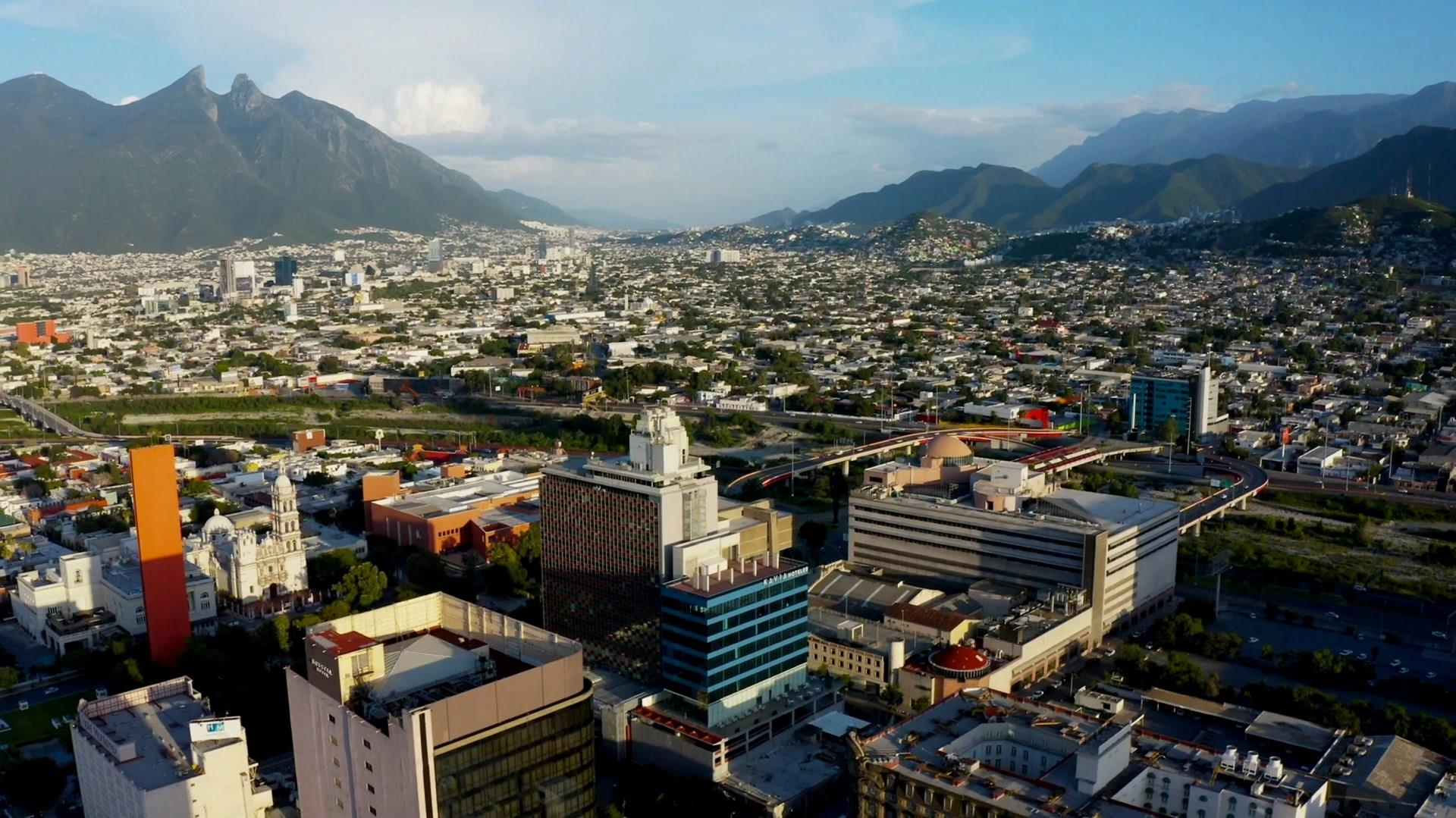
Monterrey
Monterrey, the capital of Nuevo León, stands at the foot of the Sierra Madre Oriental and has long been recognized as one of Mexico’s most industrial and innovative cities. The Macroplaza is one of the largest public squares in Latin America and links historic buildings like the 18th-century Metropolitan Cathedral with newer sites like the Museo de Historia Mexicana and the Faro del Comercio, a towering orange structure that beams a green laser across the sky each night.
