

St. Jean de Luz
Nestled along the Basque coast in southwestern France, St-Jean-de-Luz is a picturesque fishing town that exudes a unique blend of French elegance and Basque charm. Known for its beautiful sandy beaches and its well-preserved old town, St-Jean-de-Luz is a gem of the French Basque Country.

Guanacaste
Guanacaste is a province on the western coast of Costa Rica in Central America. A biodiverse paradise, this region is popular for its tropical rainforests, beaches, and a variety of adventurous activities, including ziplining and snorkeling.

Colima
Visitors to the state of Colima will experience mountains, volcanoes, rivers and alluring beaches. Jalisco sits to the north, and to the south lies Michoacán.
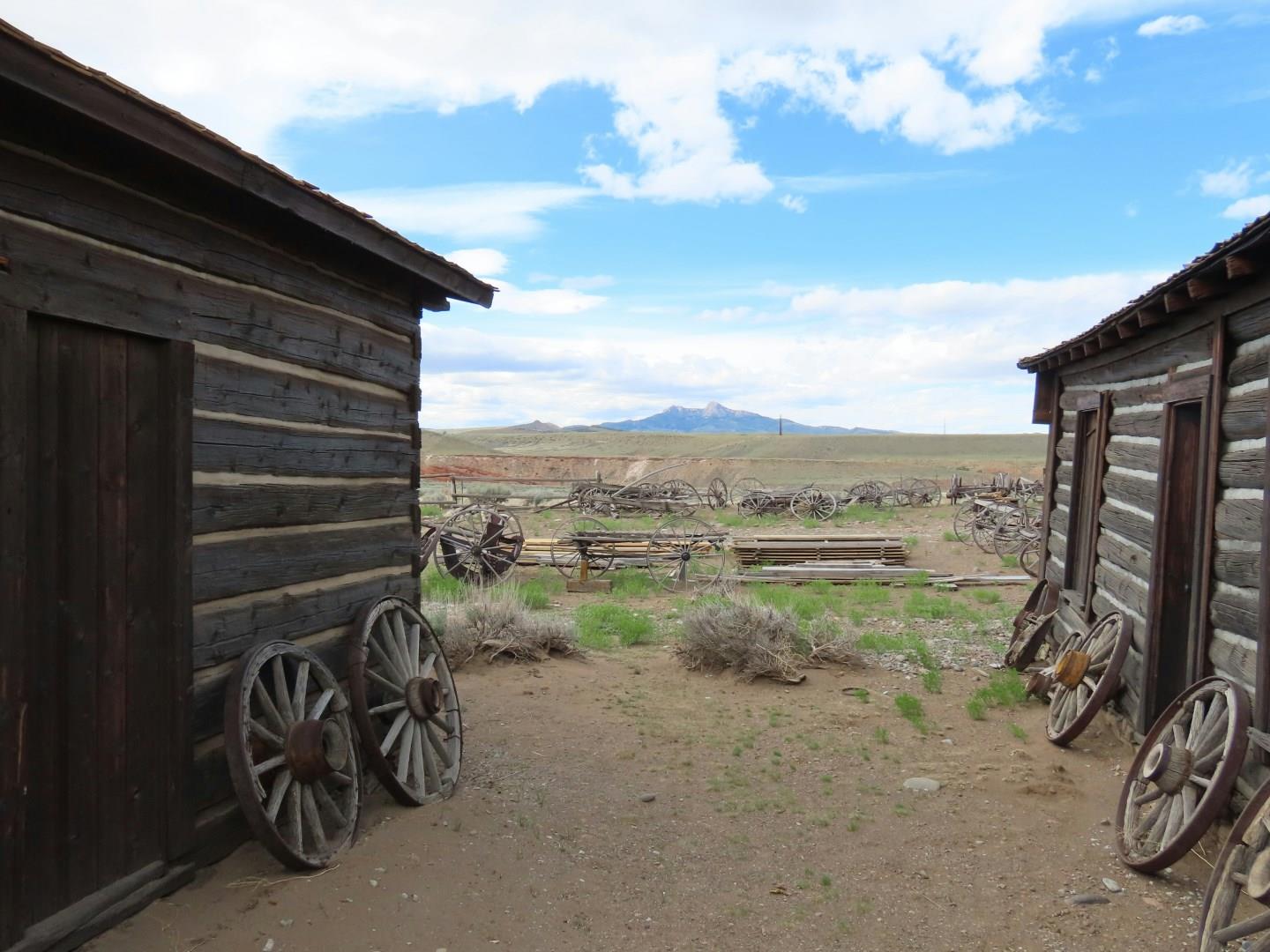
Cody
Cody, Wyoming, is a gateway to the American West, known for its connection to the legendary Buffalo Bill Cody and the pioneering spirit of the region.

Montreux
Spectacularly picturesque, Montreux is situated on the shore of Lake Geneva and one of Switzerland's most popular resort destinations. Montreux is best known for stunning lakeside views, upscale hotels, an annual jazz festival, and the magnificent Château de Chillon, the medieval castle which inspired the writings of many Romantic era poets.
