

Aalborg
Aalborg is the fourth largest city in Denmark and constitutes a natural center for the North Jutland region. In addition Aalborg is Denmark's largest conference center, outside Copenhagen. Aalborg has many cultural attractions which appeal to a wide variety of tastes; a varied night-life and more than 300 restaurants, bars and clubs.
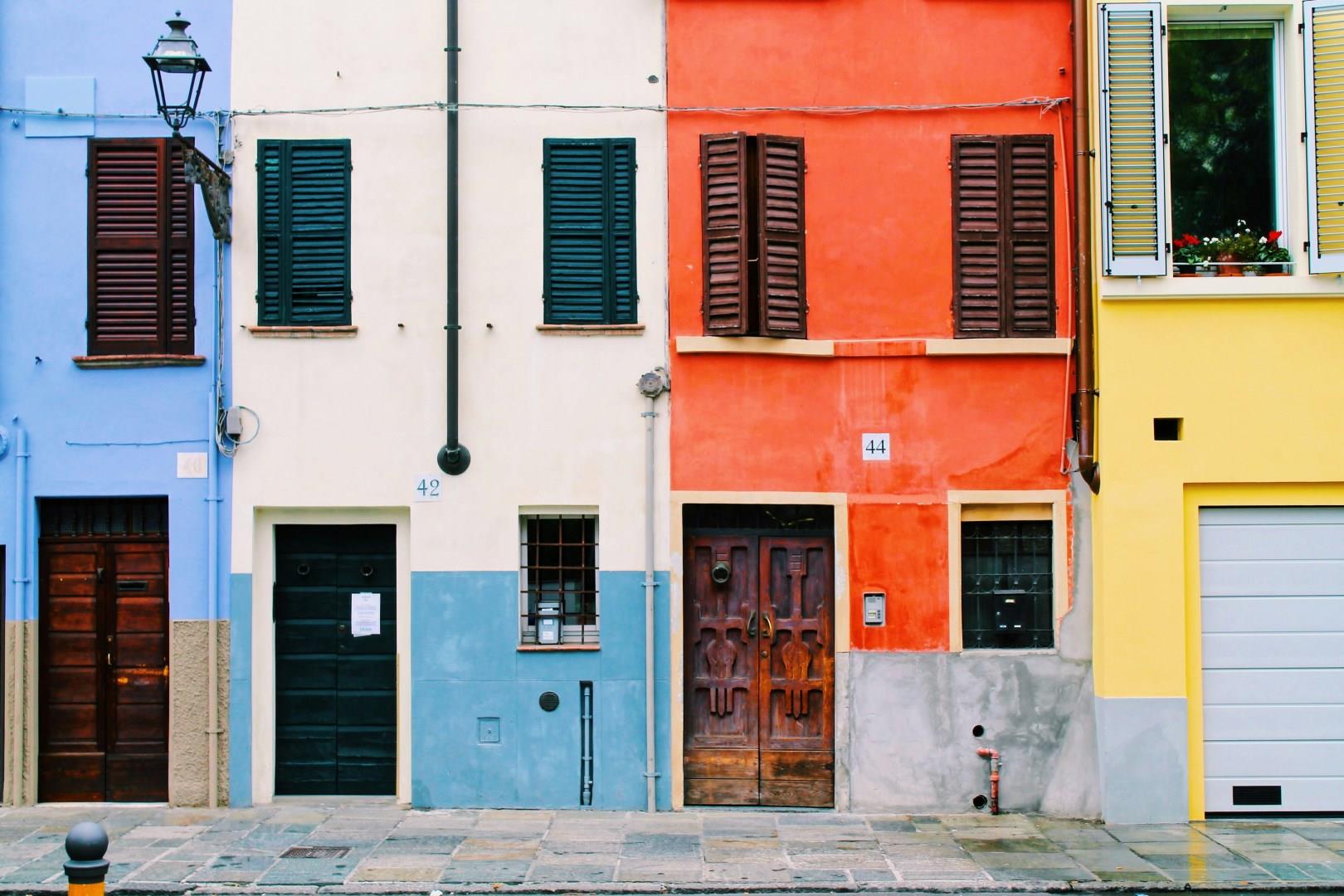
Parma
Parma, in Italy’s Emilia-Romagna region, is a city where art, history, and gastronomy intertwine. Known worldwide as the birthplace of Parmesan cheese and Parma ham, the city has long been a culinary capital, but its cultural depth extends far beyond the table.

Valdez
Located just north of Chugach National Forest and nestled in an inlet of Prince William Sound, charming Valdez is a small Alaskan city known for its proximity to stunning glaciers, canyons, forests, and natural wildlife. Highlights include Valdez Glacier Lake, Keystone Canyon, and the Valdez Museum. The region's untouched natural beauty will astound you on your next Alaskan cruise!
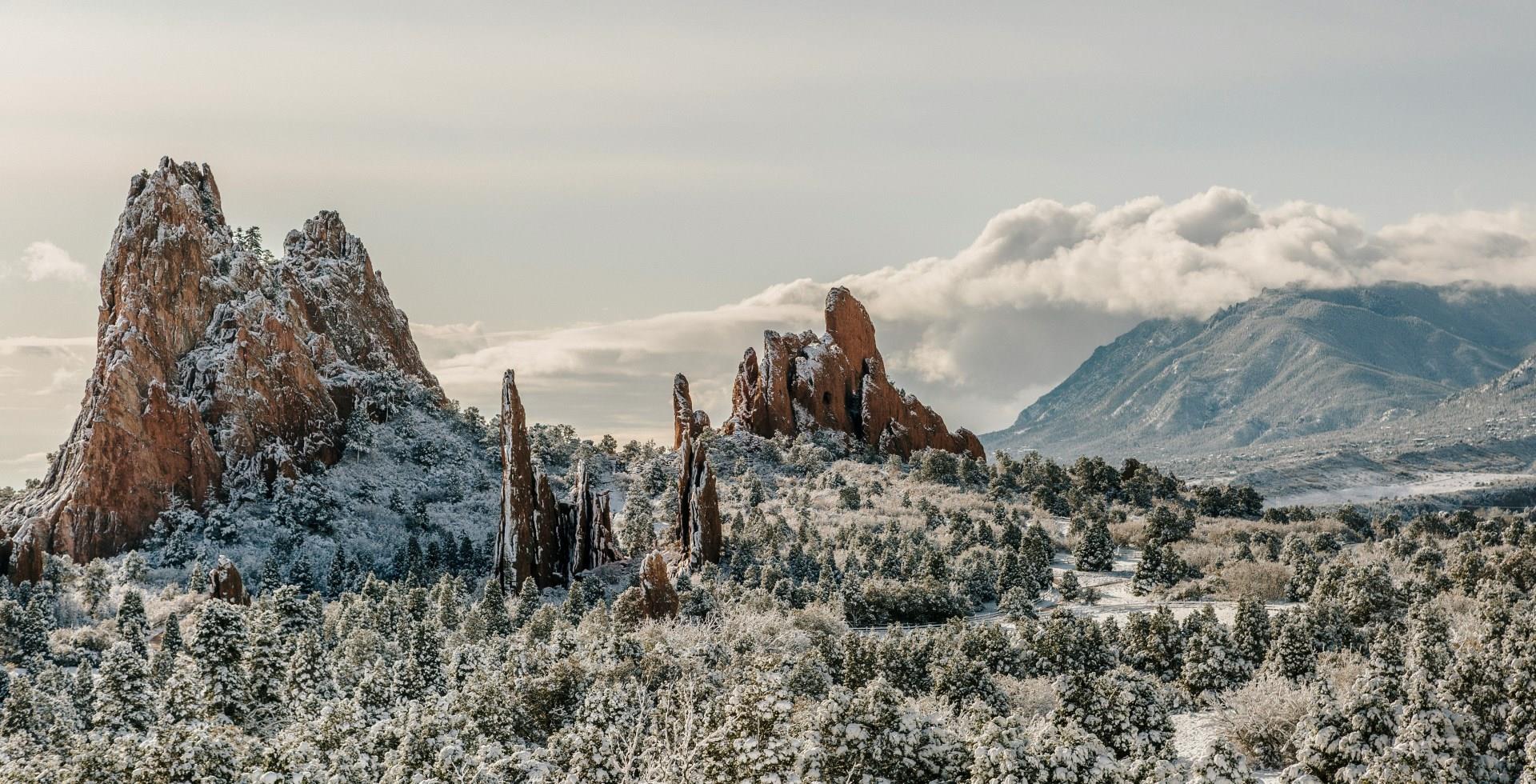
Colorado Springs
Modern-day Colorado Springs is flourishing, as the second largest city in Colorado. Fortunately, the unique features which attracted people long ago still remain. Nature entices with her array of textures and striking colors. People from all over the world visit to appreciate the countless natural and man-made attractions the Pikes Peak region has to offer.

Tenerife Island
Tenerife is the largest isle of the Canary Islands archipelago. Famous for its black and yellow sand beaches as well as Mt. Teide, the dormant volcano that looms over the island.
