
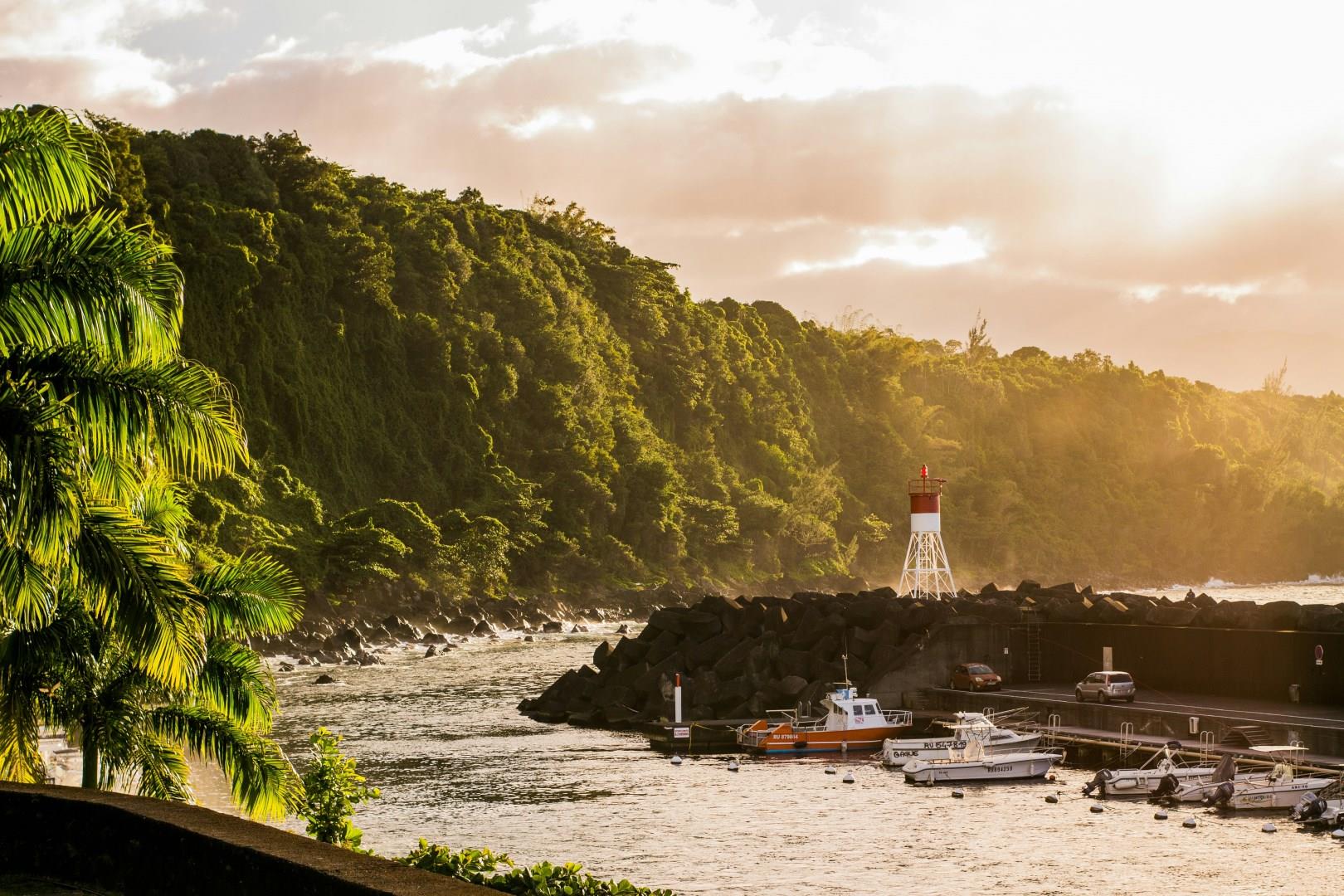
Sainte Rose
Sainte-Rose, located on the eastern coast of Réunion, is a small town where the island’s volcanic character is on full display.

Istanbul
Istanbul is a city built on layers of empire. Spanning two continents, it was once the capital of three major empires: Roman, Byzantine, and Ottoman. Visitors walking through the Sultanahmet district can witness this timeline firsthand, from the Roman-era Hippodrome to the Byzantine mosaics of Hagia Sophia, and the towering minarets of the Blue Mosque. At nearby Topkapi Palace, rooms still display the jeweled swords, ceremonial robes, and handwritten Qurans once used by Ottoman sultans.
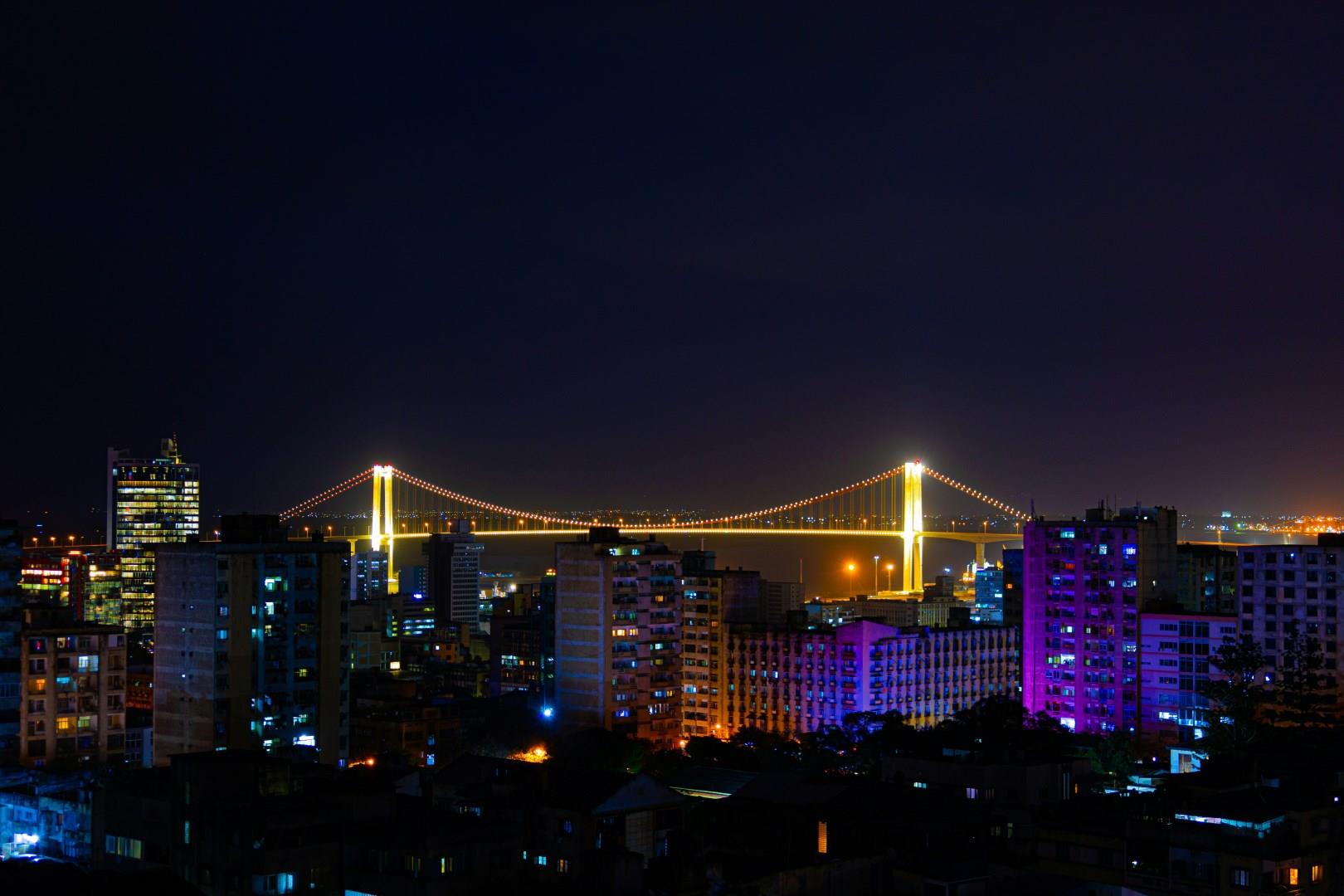
Maputo
Maputo, Mozambique’s capital, grew from a modest colonial port into a city shaped by trade, migration, and independence.
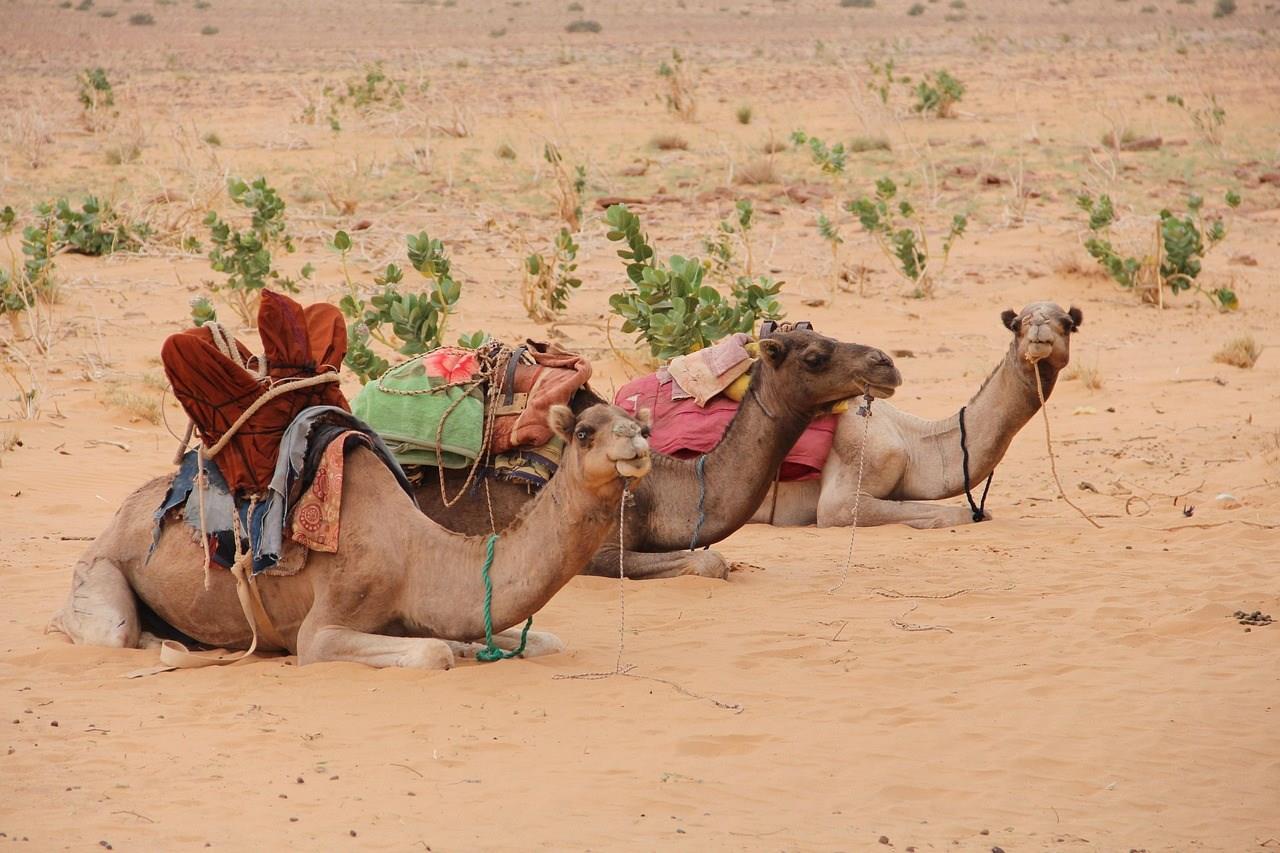
Mauritania
Mauritania, stretching between the Atlantic Ocean and the Sahara Desert, offers travelers a journey through wide-open landscapes and centuries of history. Its terrain is marked by shifting sand dunes, ancient caravan towns, and stretches of untouched coastline.
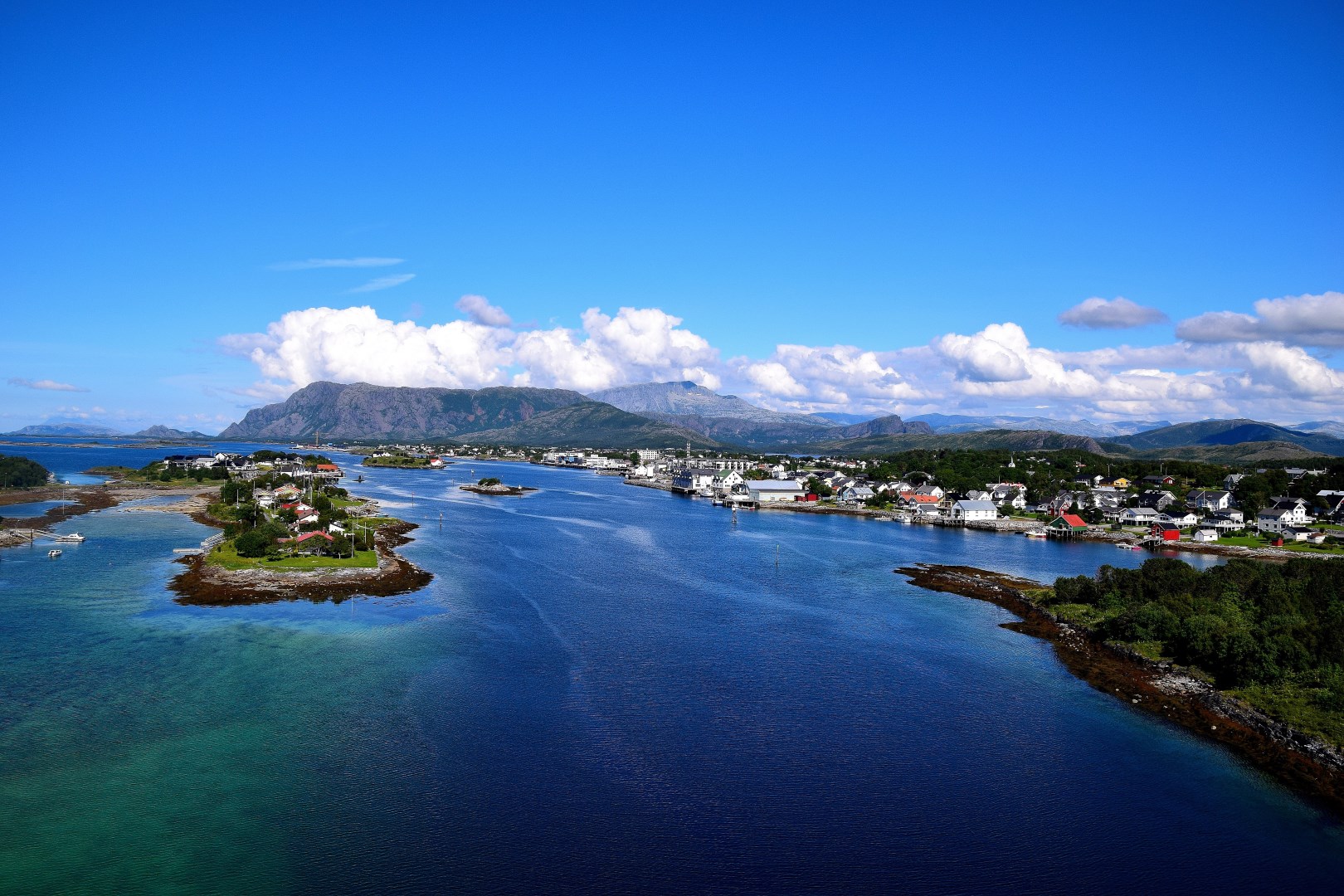
Bronnoysund
Brønnøysund sits along the Helgeland coast in Norway, surrounded by islands, narrow straits, and open sea. The town serves as a natural gateway to this coastal landscape, where boats move between scattered islets and fishing communities. Its harbor remains central to daily life, with working vessels sharing space with coastal cruise ships that pass through on longer journeys. The setting offers constant change, as weather and light reshape the view from hour to hour.
