
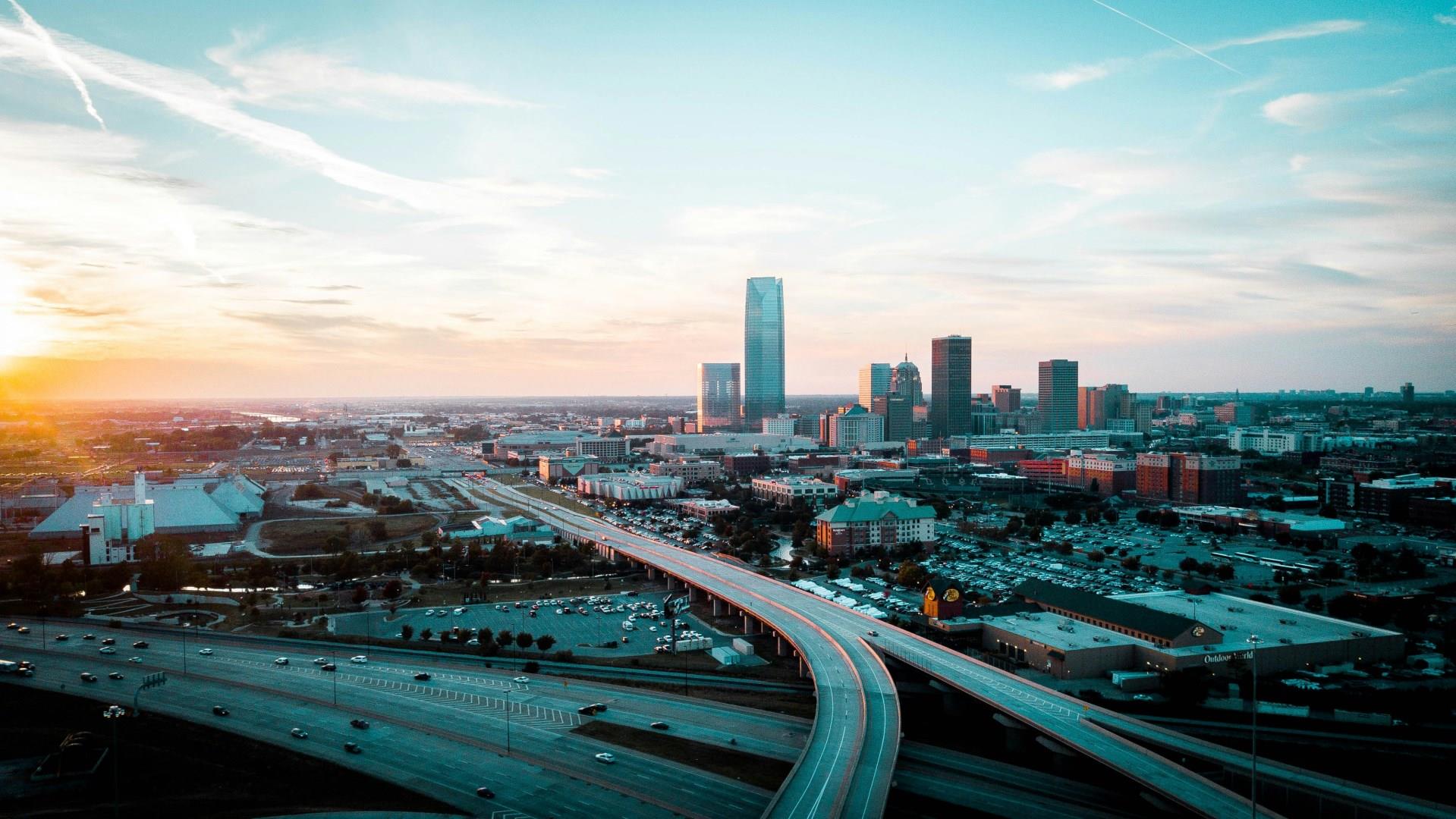
Oklahoma City
Oklahoma City stands at the crossroads of Western tradition and modern energy. It’s a place where cowboy boots walk into sleek coffee shops, and horse shows take place just a few miles from contemporary art galleries. A good starting point is the National Cowboy & Western Heritage Museum, home to one of the largest collections of Western art and artifacts in the world.

Ajaccio
Located in the vibrant blue waters of the Mediterranean Sea, Ajaccio is the capital of the island of Corsica and a popular resort destination. A port city often frequented by cruise ships and yachts,

Hubbard Glacier
A moving sight...literally. Hubbard Glacier's recent nickname "the galloping glacier" refers to its rapid movement through Disenchantment Bay in the direction of the Gulf of Alaska. This tidewater glacier is a natural wonder over 6 miles wide! Those on ships are usually able to get within about a half mile of Hubbard Glacier's face.

Leon
León, in northwest Spain, is a city where Roman, medieval, and modern layers coexist. Its historical heart features the León Cathedral with its remarkable stained glass, the Basilica of San Isidoro, and winding streets that hint at centuries of trade and culture.
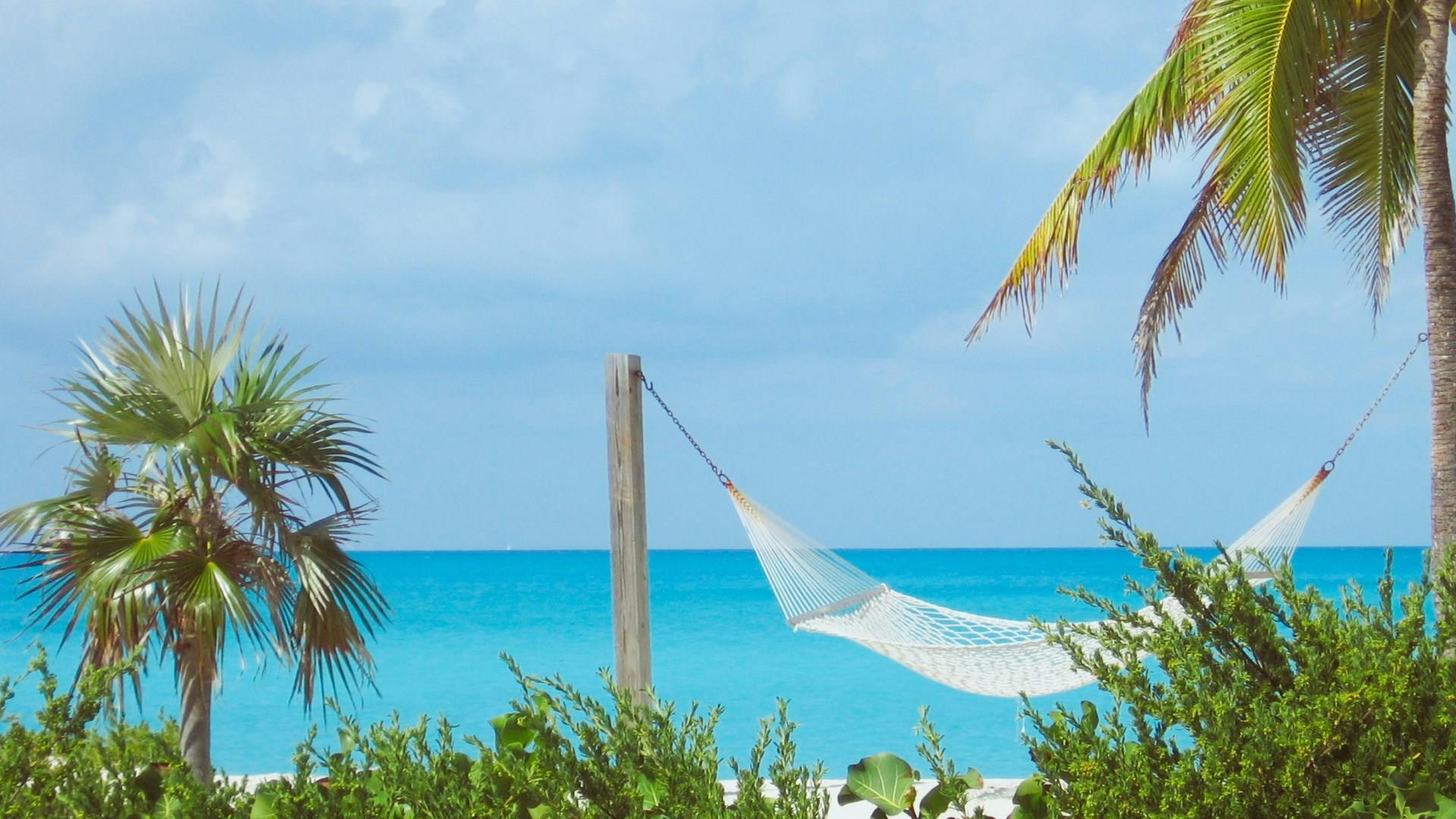
Cat Island
Cat Island, one of the more unspoiled Out Islands of The Bahamas, is a destination that feels worlds away from the busier resort hubs. Stretching about 50 miles long, the island is lined with pink-sand beaches, rolling green hills, and quiet fishing villages where time seems to stand still.
