
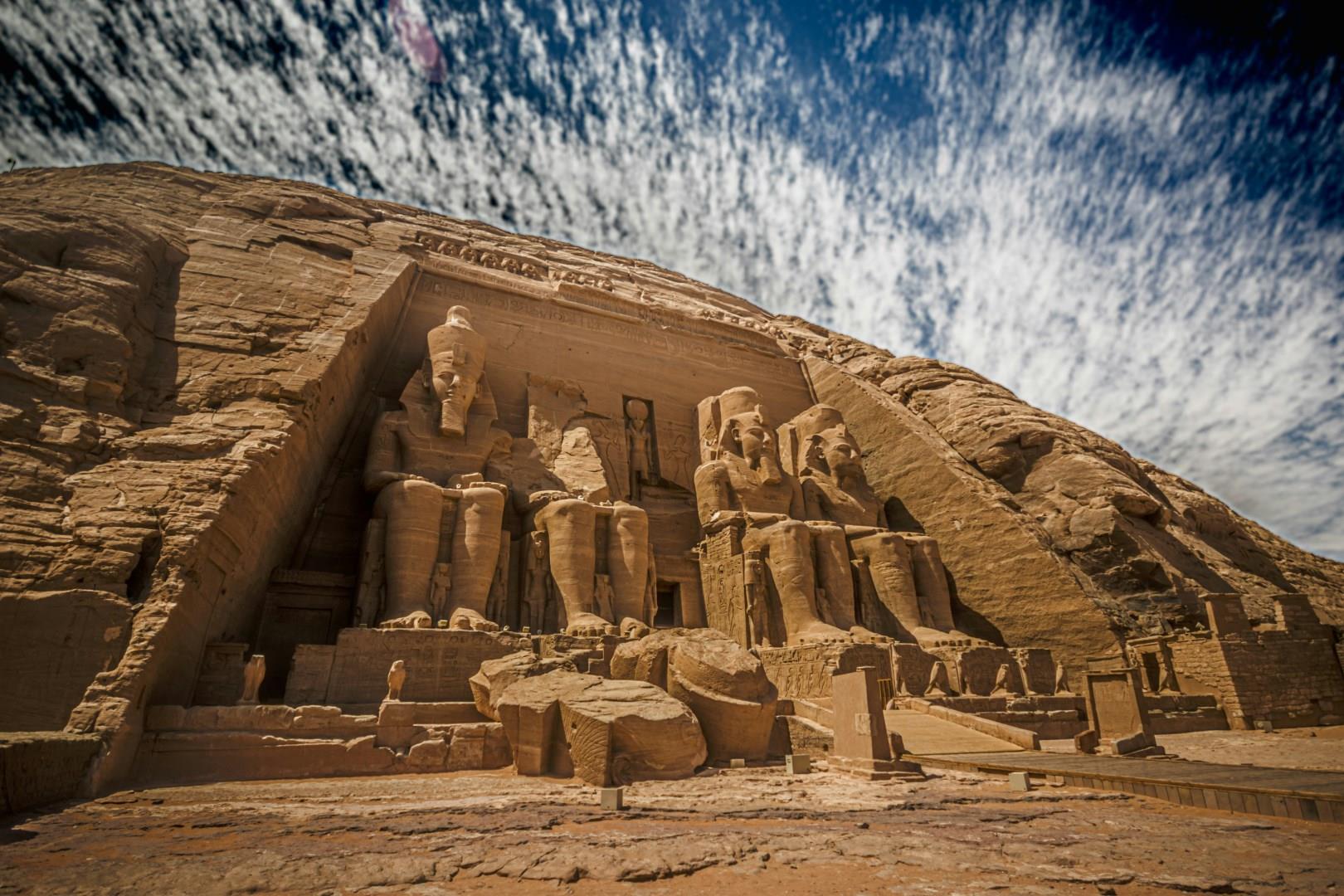
Abu Simbel
Abu Simbel, in southern Egypt near the border with Sudan, is one of the most awe-inspiring archaeological sites of the ancient world. Built during the reign of Pharaoh Ramses II in the 13th century BCE, the twin temples were carved directly into the sandstone cliffs overlooking the Nile. The Great Temple, with its four colossal statues of Ramses II seated at the entrance, was designed not only to honor the pharaoh but also to project his power to neighboring Nubia.
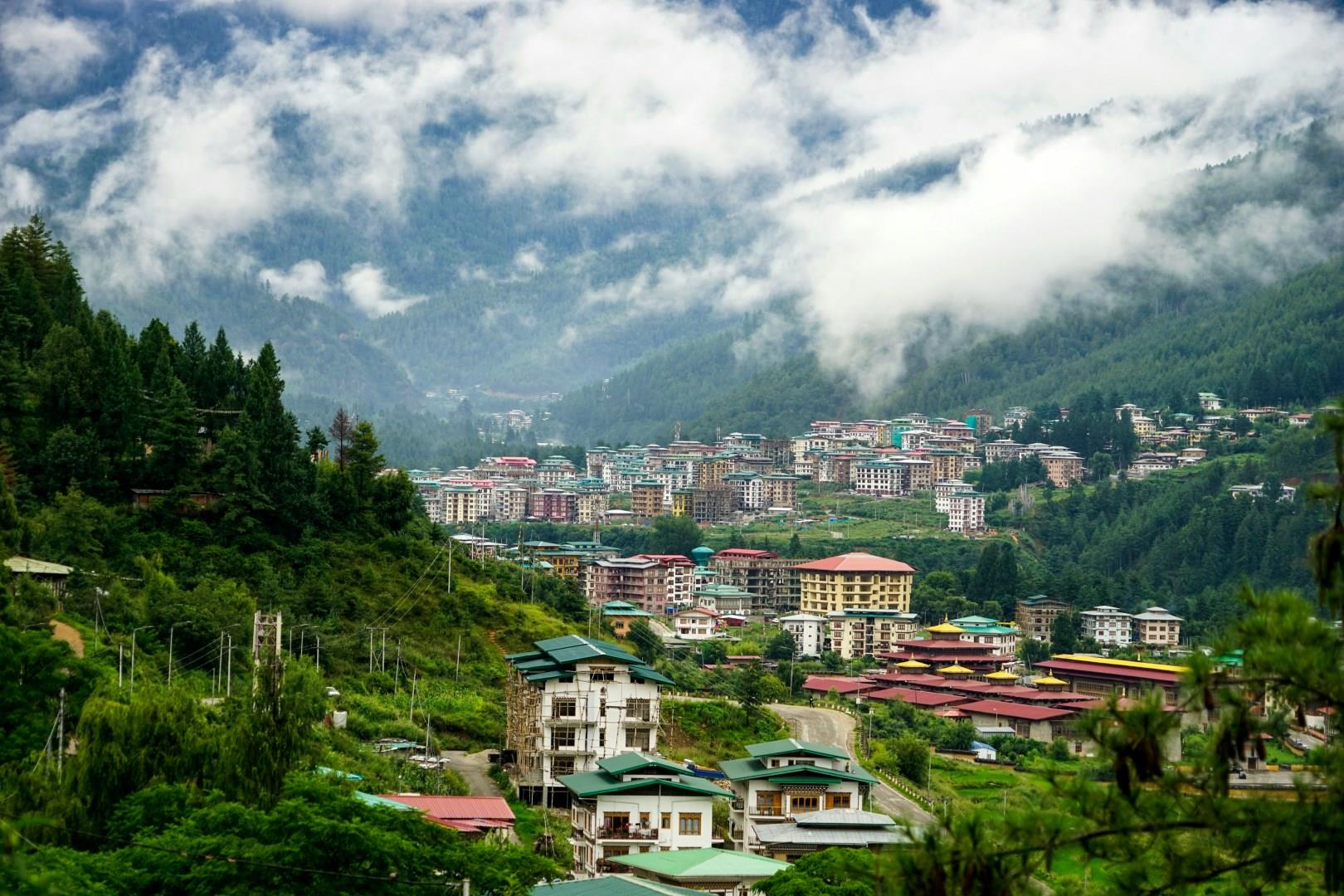
Thimpu
Thimphu, the capital of Bhutan, is a city where tradition and modern life meet in unexpected ways. Streets are lined with traditional Bhutanese architecture, colorful prayer flags, and shops selling handicrafts, while government offices and modern facilities operate alongside centuries-old temples.

Salzburg
Nestled in the foothills of the Eastern Alps, Salzburg, Austria, exudes a timeless charm that combines Baroque splendor, musical heritage, and breathtaking natural beauty. The city is famously known as the birthplace of Wolfgang Amadeus Mozart, one of the world's greatest composers. Visitors can immerse themselves in the life and works of Mozart by visiting his birthplace, now a museum, on Getreidegasse, a picturesque street lined with wrought-iron signs and colorful facades.

Netherlands Antilles
The former Netherlands Antilles was a group of Caribbean islands once unified under Dutch administration, dissolved as a political entity in 2010.
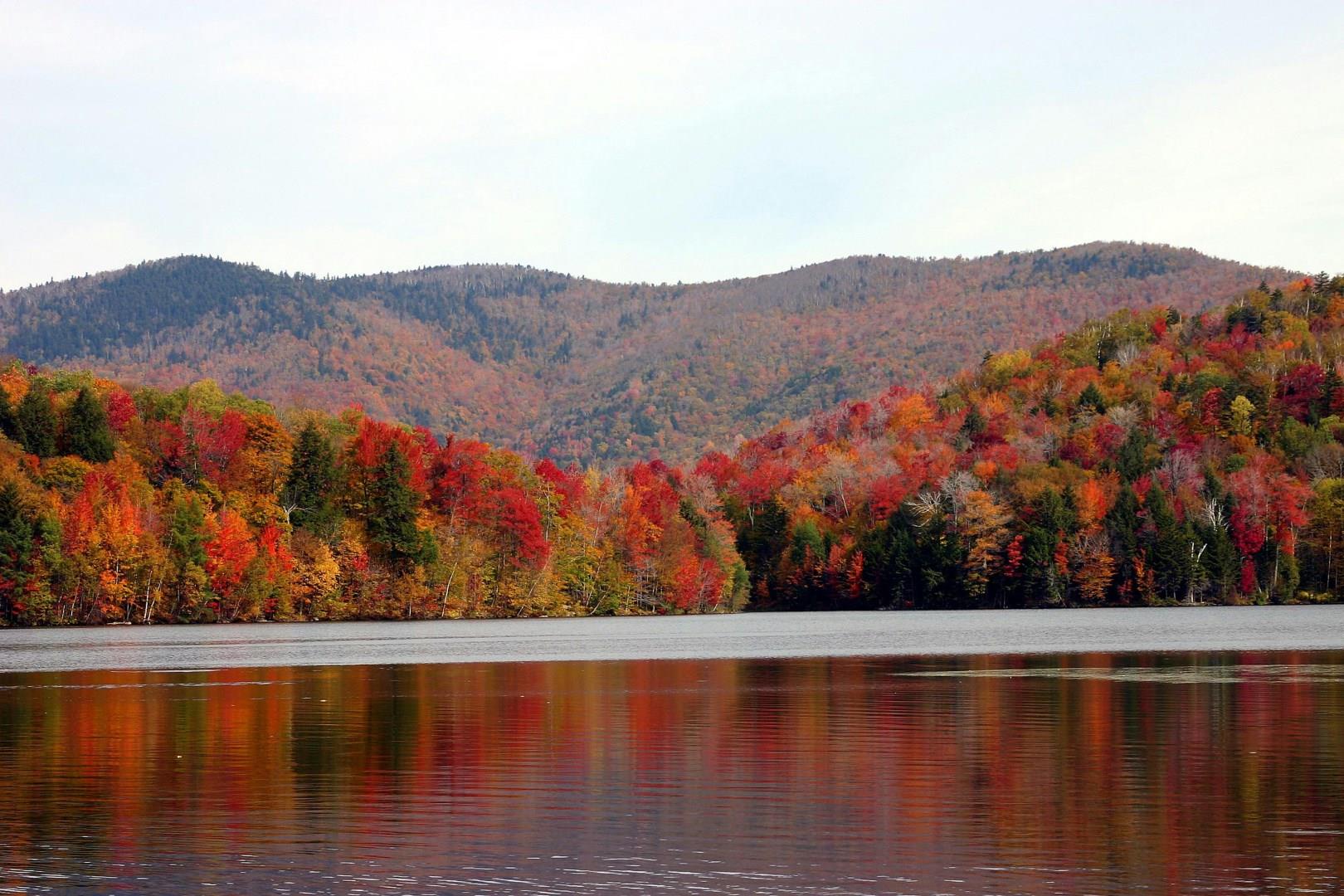
Killington
Killington, Vermont is best known for its ski resort, the largest in the eastern United States, but the town offers more than just winter slopes. Nicknamed “The Beast of the East,” Killington Resort spans six mountain peaks and includes over 1,500 acres of terrain. It was one of the first ski areas in the country to adopt snowmaking technology in the 1960s, and it continues to operate one of the longest ski seasons in North America, sometimes stretching from October into May.
