
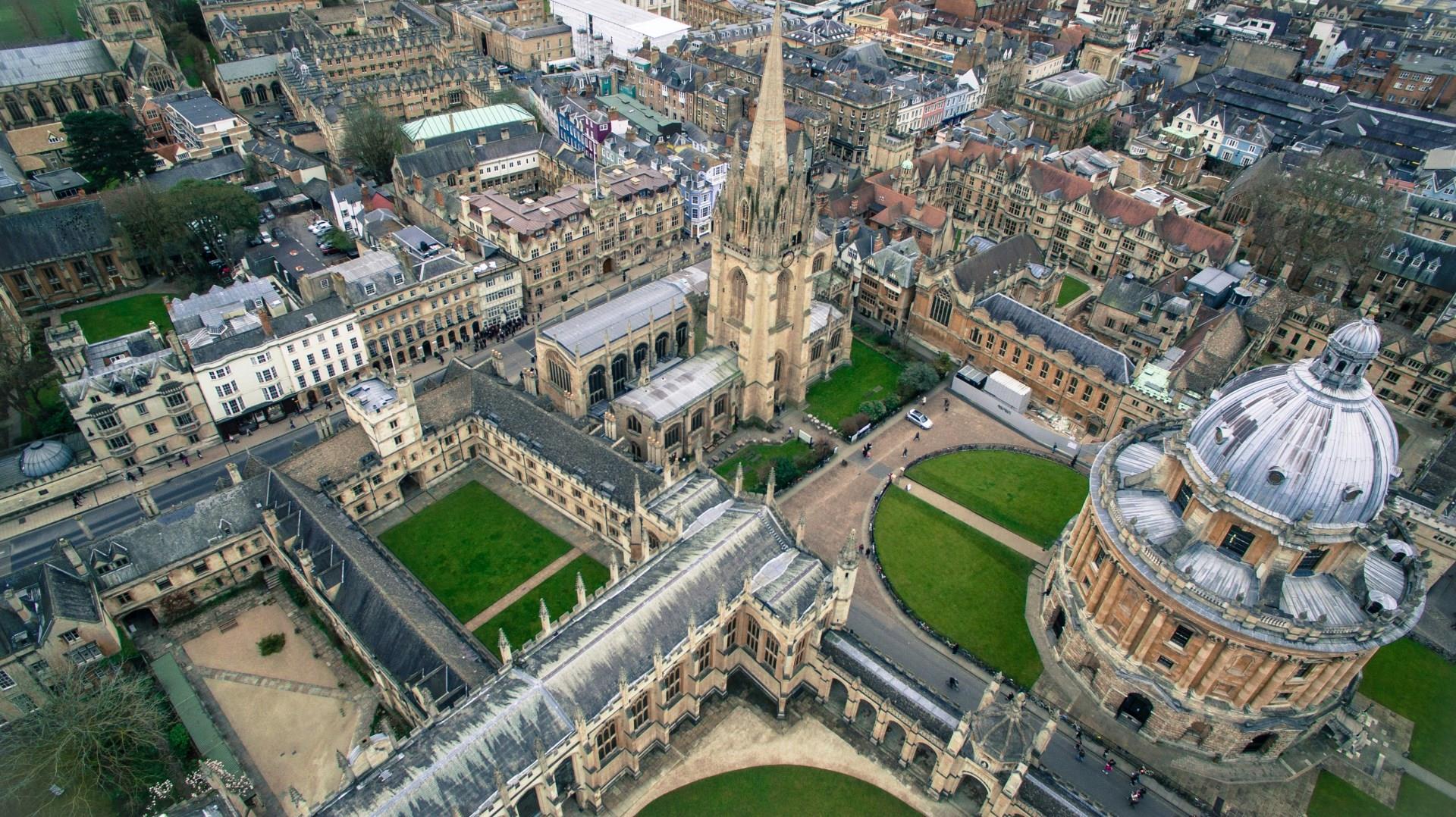
Oxford
Oxford is best known for its world-famous university, but the city offers much more than historic college halls and ivory towers. Its skyline, shaped by spires and domes, hints at centuries of intellectual life. The University of Oxford dates back to at least the 12th century and includes iconic buildings like the Bodleian Library, one of the oldest libraries in Europe, and the Radcliffe Camera, a circular reading room that looks more like a cathedral than a place for quiet study.

Dominica
Dominica, known as the “Nature Island of the Caribbean,” is a haven for eco-tourists and adventure seekers. Nestled between the French islands of Guadeloupe and Martinique, this lush island boasts a remarkable landscape of volcanic mountains, dense rainforests, and stunning waterfalls. Dominica’s most iconic natural wonder is the Boiling Lake, the second-largest hot spring in the world.
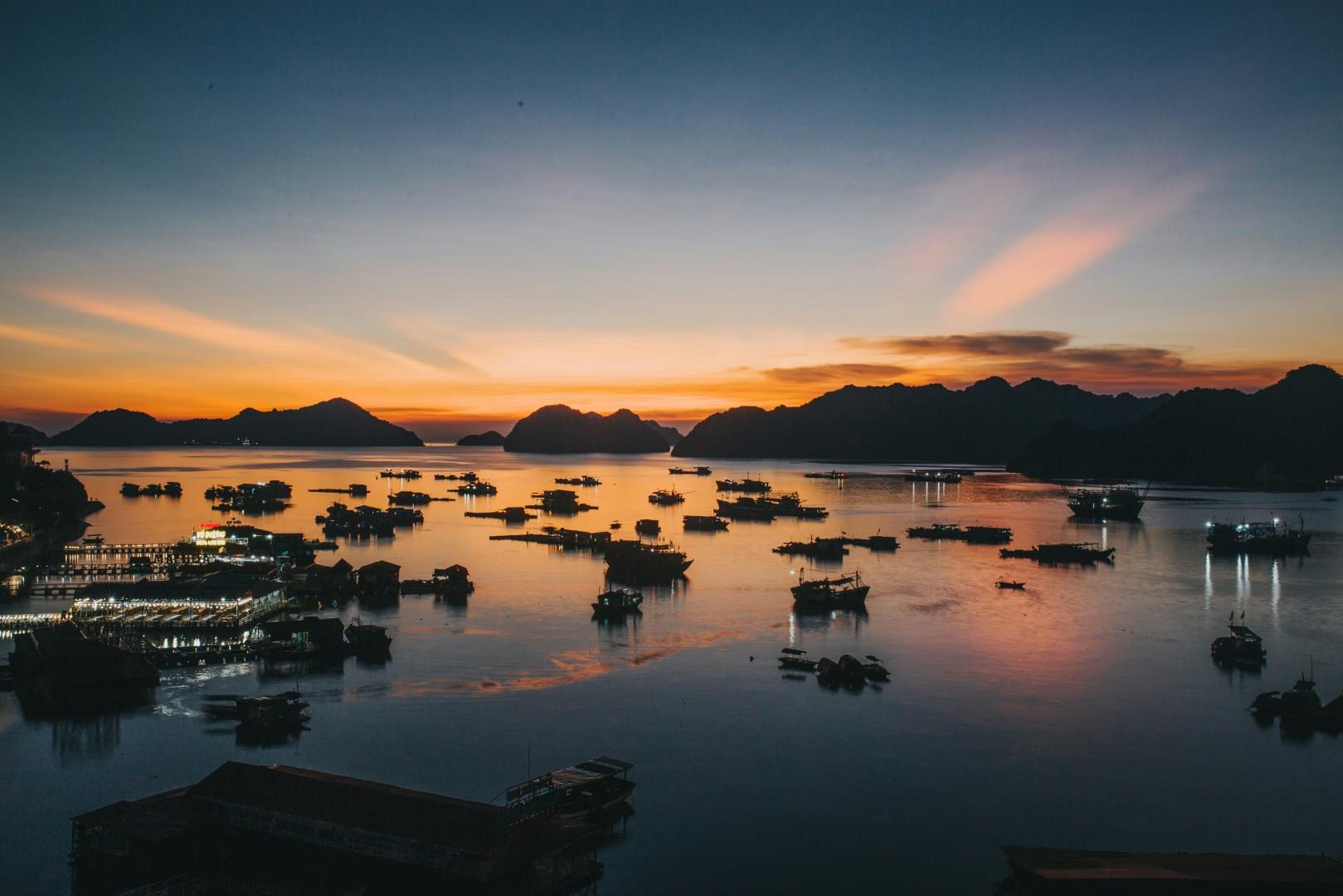
Cát Bà
Cat Ba, the largest island in Vietnam’s Halong Bay, is a striking mix of rugged limestone cliffs, hidden coves, and vibrant jungle. Long home to fishing communities, the island has retained its local charm while also becoming a gateway to the natural wonders of the surrounding bay.

Passau
Passau sits on the confluence of the Danube, the Inn and the Ilz, so it is fitting that it is known as "the Dreiflüssestadt", which means the “City of Three Rivers.” The historical center offers a cathedral, churches and museums to explore, and the embankment is perfect for a romantic stroll.

Golden Circle
The Golden Circle is Iceland’s premier tourist route, offering a breathtaking journey through some of the country’s most iconic natural wonders. The route typically starts in Reykjavik and circles through Þingvellir National Park, the Geysir geothermal area, and Gullfoss waterfall. At Þingvellir, visitors can stand where the North American and Eurasian tectonic plates meet and explore the site of the world’s oldest parliament, established in 930 AD.
