

Durban
Durban is a big subtropical city in the north-eastern province of KwaZulu/Natal. It has been a major port since the 1850s and is home to the largest concentration of Indian-descended people in the country - Mohandas Gandhi arrived here as an indentured labourer in 1893. Today the city is better known as a holiday-makers' fun parlour with a happening nightlife.
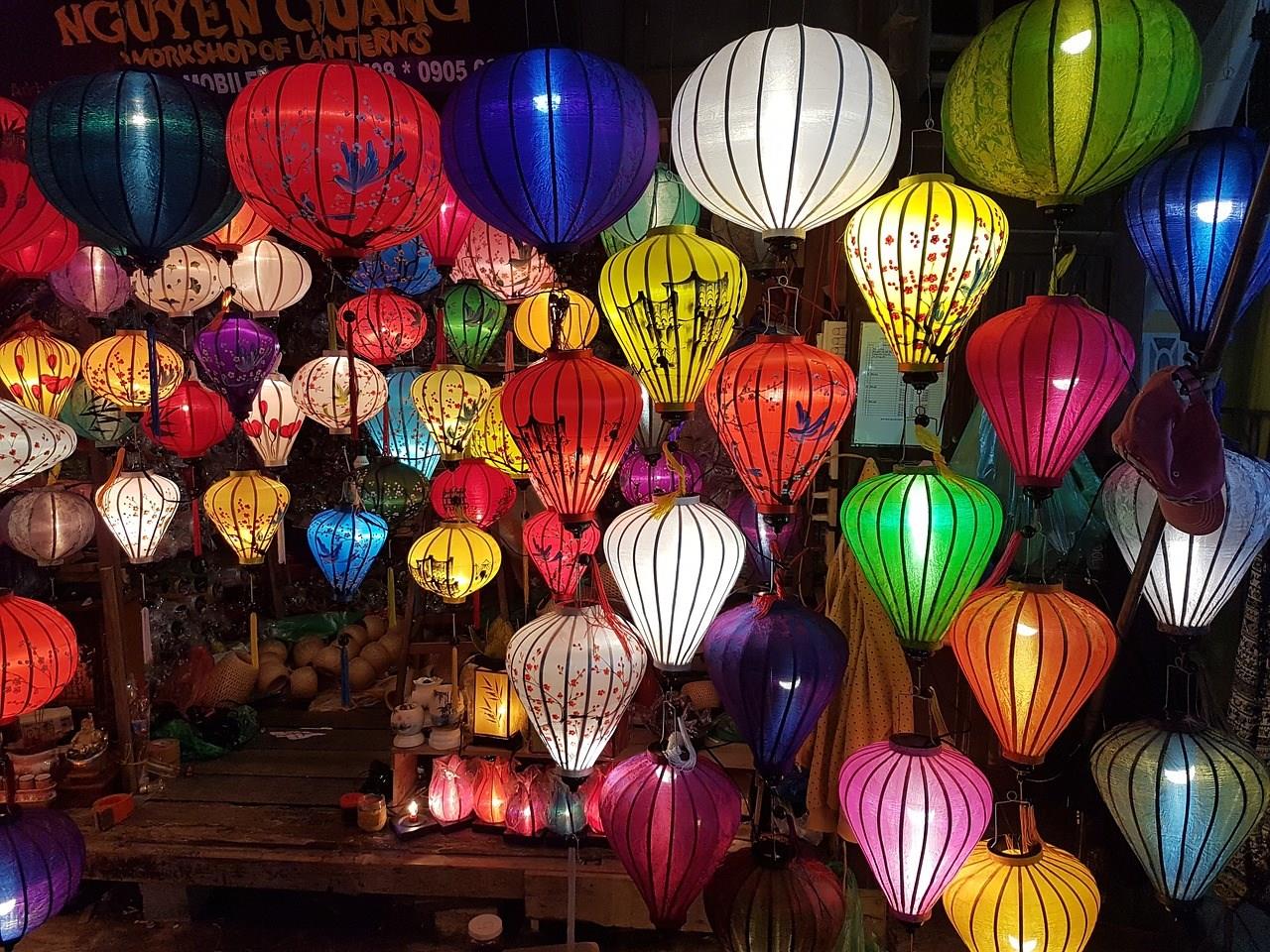
Hoi An
A former trading port and now a fascinating itinerary stop for any Vietnam traveler, Hoi An's illuminated lanterns beckon you. Each lunar month on the 14th day, electric lights are turned off in favor of traditional lanterns. Must-sees in this well-preserved locale include Quan Cong Temple, the 1700s-era Japanese Covered Bridge, An Bang Beach with its white sands, and Hoi An Night Market, abuzz with local sellers offering food and unique wares.
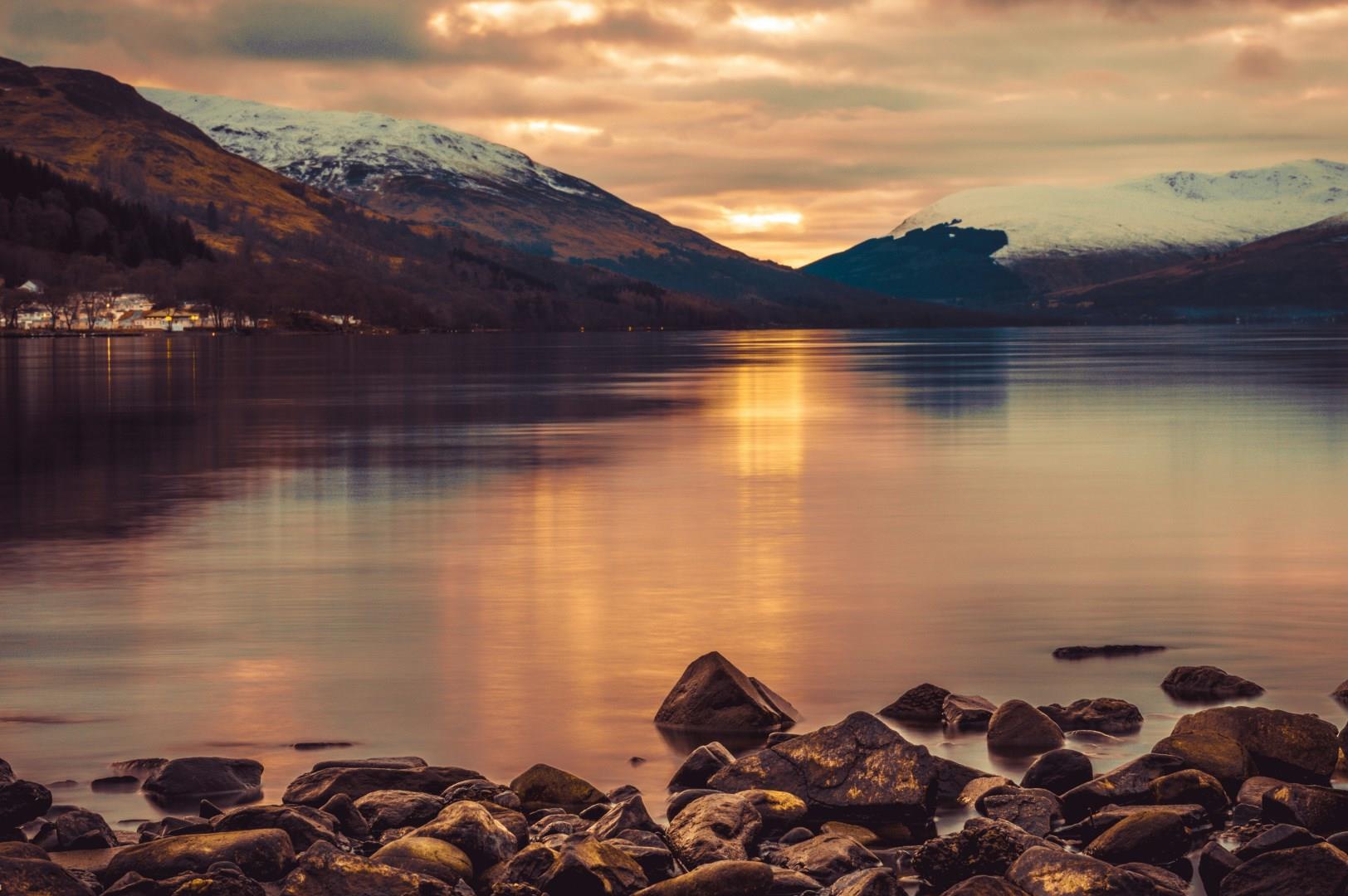
Loch Lomond
Loch Lomond, the largest lake in Great Britain by surface area, sits at the gateway to the Highlands and offers visitors a wide variety of ways to explore its islands, waters, and surrounding hills. Stretching over 22 miles and dotted with more than 30 islands, the loch has long been a source of inspiration for poets, musicians, and travelers.

Bologna
Bologna, Italy, is a city that effortlessly weaves together rich history, vibrant culture, and renowned gastronomy, making it an irresistible destination for travelers seeking an authentic Italian experience. Often referred to as "La Dotta, La Grassa, La Rossa" (The Learned, The Fat, The Red), Bologna proudly wears these nicknames that highlight its academic prestige, culinary heritage, and distinctive terracotta-colored architecture.
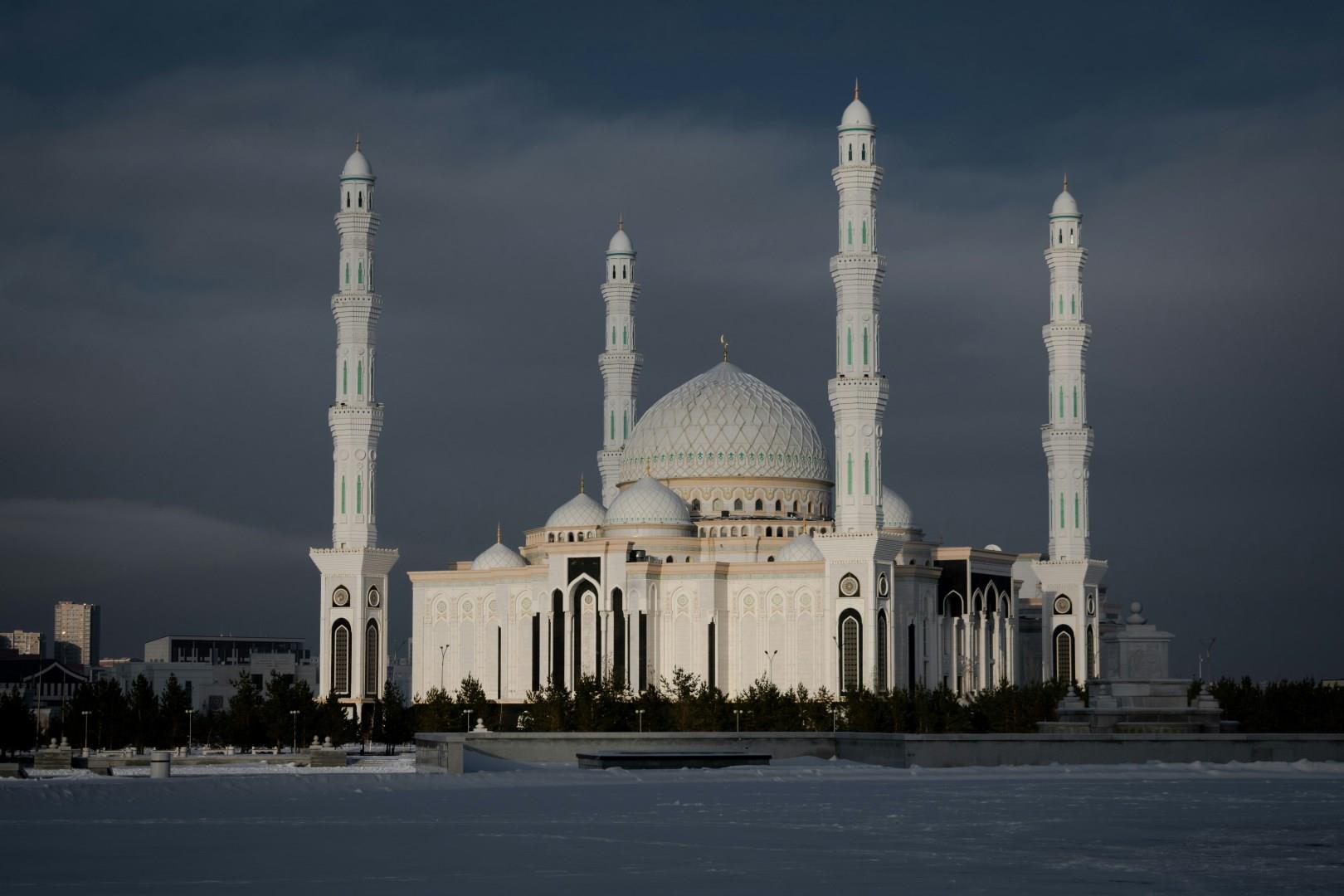
Astana
Astana, officially known as Nur-Sultan, is the modern capital of Kazakhstan and a striking example of contemporary urban design in Central Asia.
