

Dominica
Dominica, known as the “Nature Island of the Caribbean,” is a haven for eco-tourists and adventure seekers. Nestled between the French islands of Guadeloupe and Martinique, this lush island boasts a remarkable landscape of volcanic mountains, dense rainforests, and stunning waterfalls. Dominica’s most iconic natural wonder is the Boiling Lake, the second-largest hot spring in the world.

Stromboli, Sicily
Stromboli is a small volcanic island in the Tyrrhenian Sea, just off the north coast of Sicily. Referred to by some as the "Lighthouse of the Mediterranean," Stromboli is in a constant state of mild volcanic activity, so don't venture out on a hike without an experienced guide.
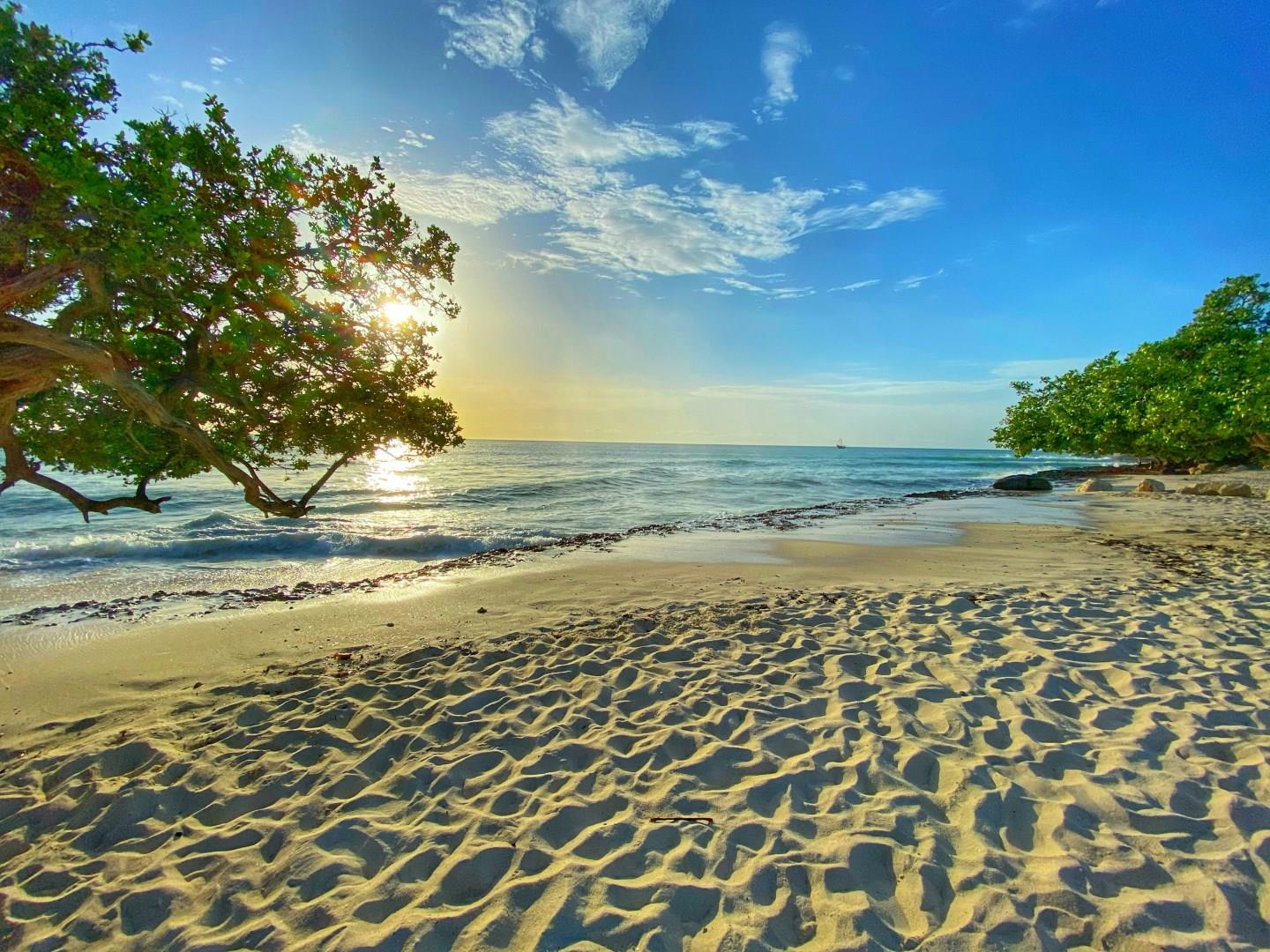
Eagle Beach
Eagle Beach, on Aruba’s western coast, is often celebrated as one of the most beautiful beaches in the Caribbean. Known for its wide stretch of soft white sand and calm turquoise waters, it offers a peaceful setting away from the livelier resort areas.
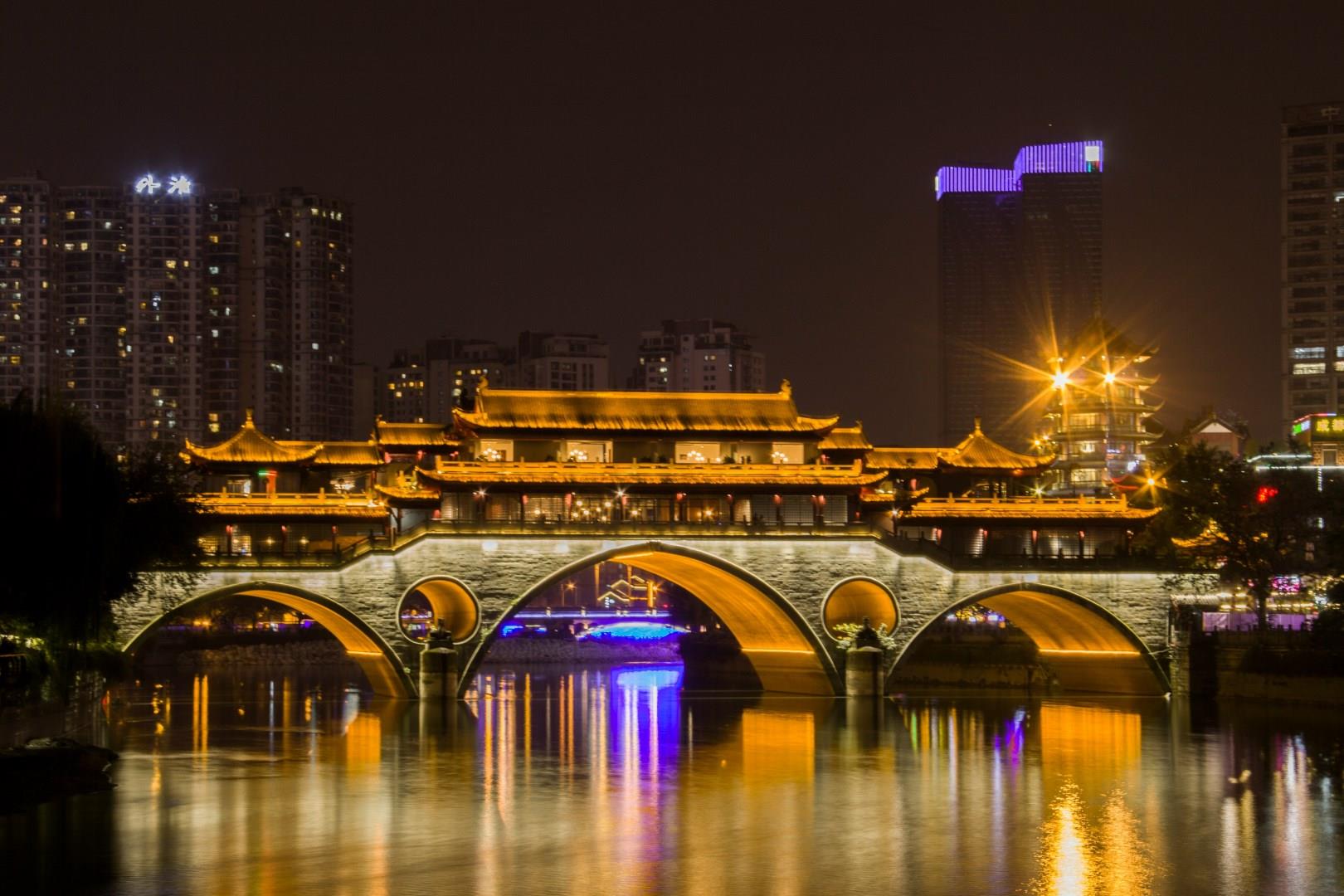
Chengdu
Chengdu, the capital of China's Sichuan Province, blends modern urban life with centuries of history. It is famous as the home of the giant panda, but its cultural significance extends far beyond wildlife.

Newfoundland
Newfoundland offers travelers a chance to immerse themselves in rugged natural beauty, rich history, and warm hospitality.
