

Sequoia National Park
Sequoia National Park, located in California’s Sierra Nevada mountains, is a natural wonderland famous for its giant sequoia trees, including the world-renowned General Sherman Tree. Standing at an astonishing 275 feet tall, the General Sherman is the largest tree on Earth by volume and a must-see for visitors.

Cuba
Cuba is an island nation where history, culture, and natural beauty intertwine in captivating ways. Known for its Spanish colonial architecture, vibrant music, and revolutionary legacy, the country offers a fascinating window into both the Caribbean and Latin American worlds. Havana, with its colorful facades, classic American cars, and lively plazas, embodies Cuba’s charm and resilience, while towns like Trinidad and Cienfuegos showcase UNESCO-listed heritage and a slower pace of life.

Aldabra
Aldabra Atoll, a UNESCO World Heritage Site located in the Seychelles, offers a pristine and unparalleled escape into nature's untouched beauty. The atoll, the second-largest in the world, is renowned for its remarkable biodiversity and is home to the Aldabra giant tortoise, a species found nowhere else on Earth. This enormous tortoise population is one of the key attractions for visitors, providing a rare opportunity to observe these majestic creatures in their natural habitat.
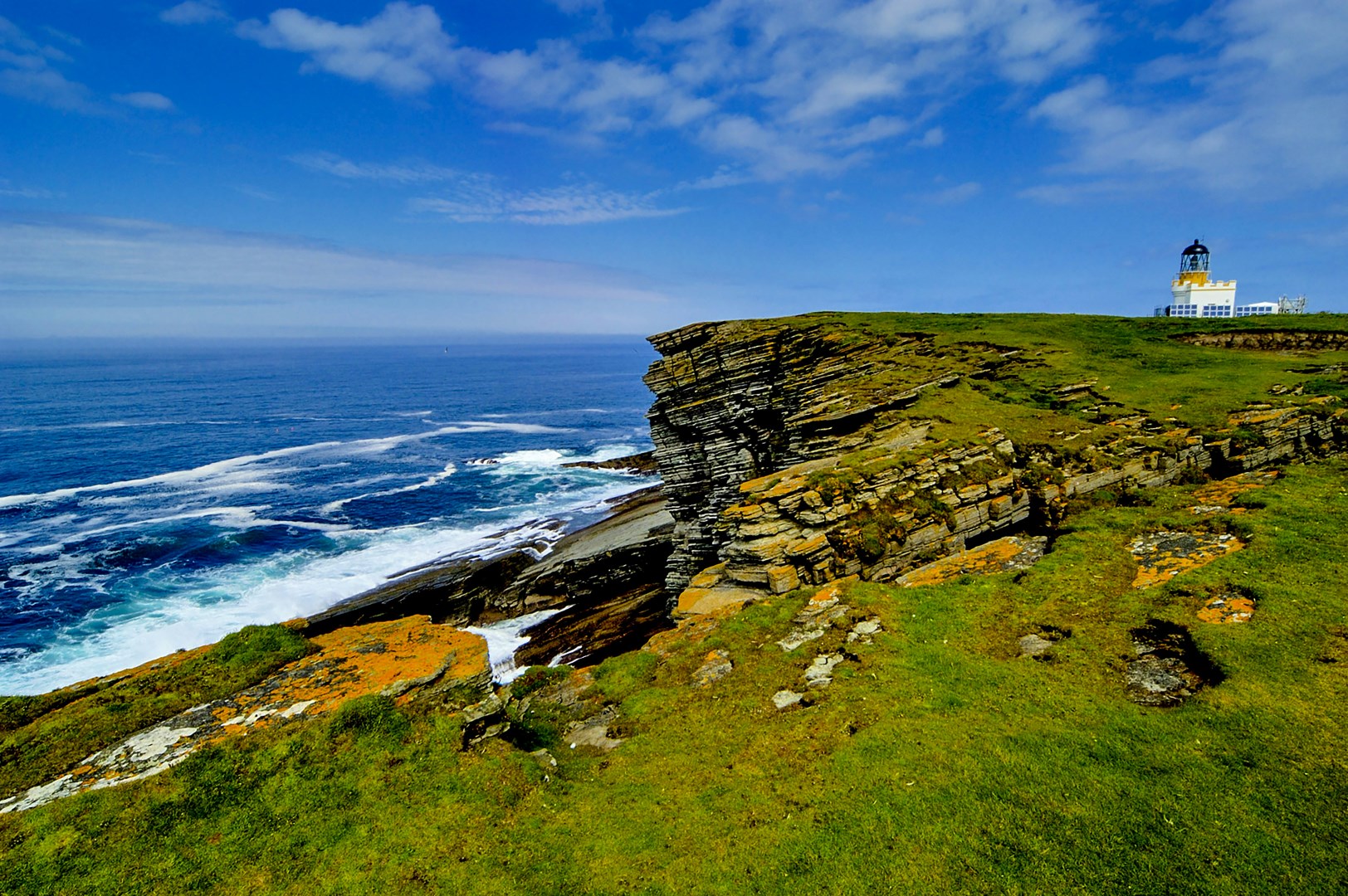
Orkney Island
The Orkney Islands sit just off the northern coast of Scotland. This group of around seventy islands offers wide horizons, quiet roads, and coastlines shaped by wind and waves where visitors often arrive expecting rugged scenery and leave talking about the sense of space from the long beaches to the steep cliffs and sea stacks rising straight from the water. One striking example is the Old Man of Hoy, a tall sea stack that draws photographers and climbers alike.

La Digue
La Digue, the fourth-largest island in the Seychelles, offers a quintessential tropical paradise experience. Known for its idyllic beaches and charming laid-back atmosphere, La Digue is a haven for nature lovers and those seeking a serene escape. The island’s most iconic beach, Anse Source d'Argent, is renowned for its stunning granite boulders and crystal-clear waters, making it one of the most photographed beaches in the world.
