

Sisimiut
Sisimiut, Greenland's second-largest city, offers a captivating glimpse into Arctic life and stunning natural beauty. Nestled on the shores of the Davis Strait, Sisimiut is renowned for its striking landscapes and rich cultural heritage.
Panama City
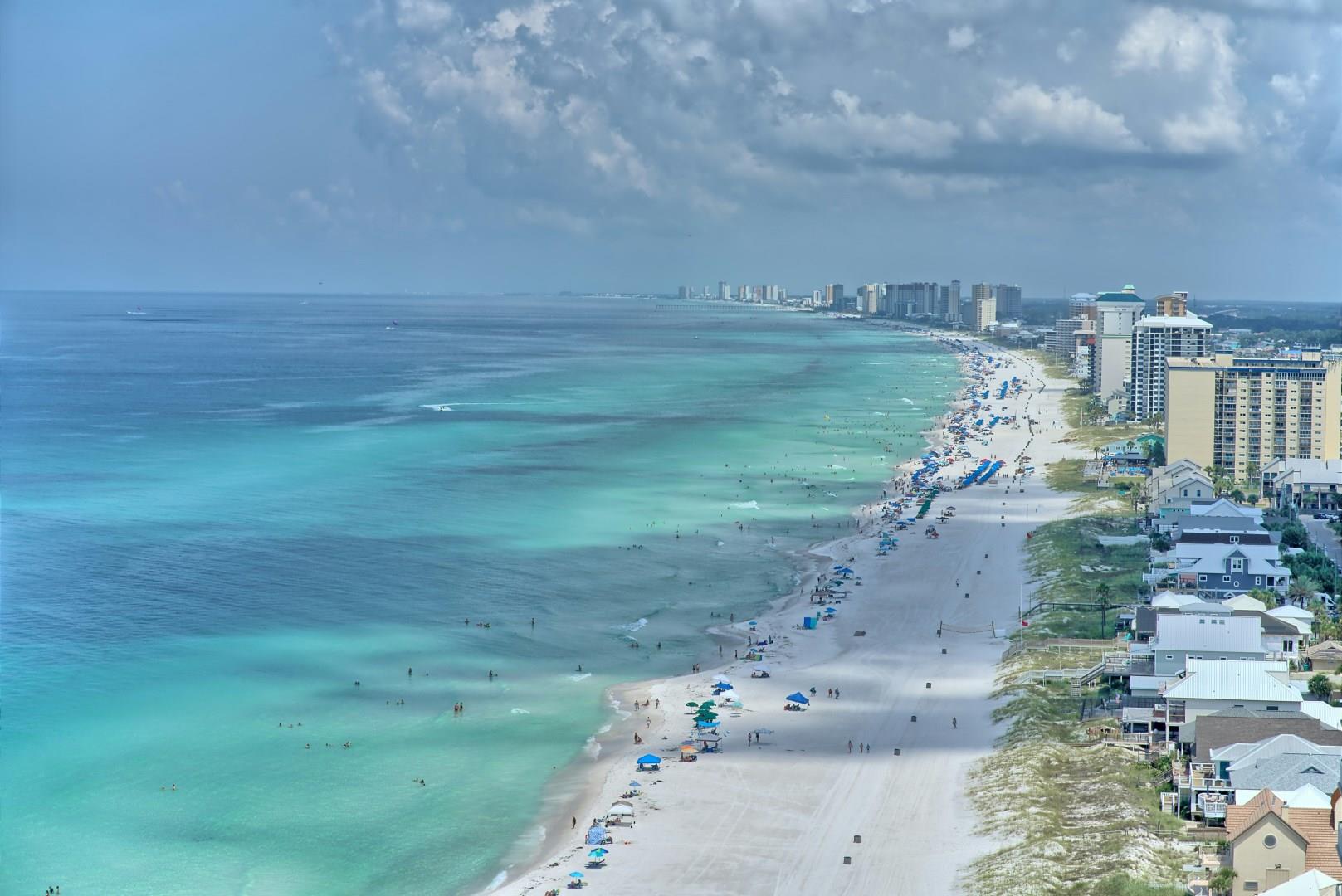
Panama City, Florida, sits along the Gulf Coast where maritime history and modern beach culture intersect. Originally tied to shipbuilding and fishing, the city developed around St. Andrews Bay, which still anchors local identity through working marinas and long-established neighborhoods.

Canada
Canada spans an immense and diverse landscape, offering experiences that range from cosmopolitan city life to some of the most pristine wilderness on Earth.
Pheriche
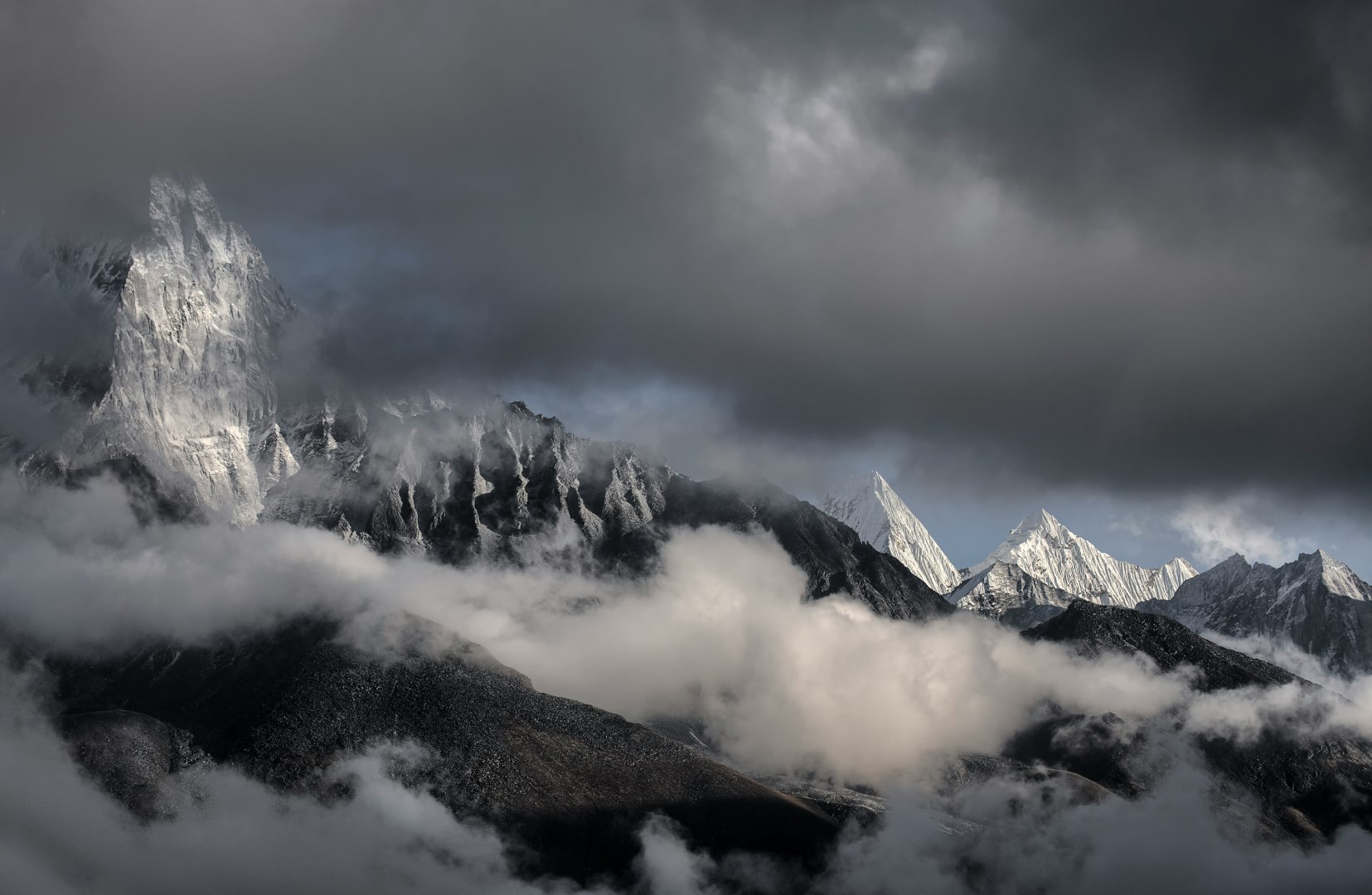
Set high in the Khumbu Valley, Pheriche offers a quiet yet striking stop along the route toward Mount Everest. Surrounded by wide landscapes and rugged peaks, this small settlement sits in a windswept valley where the air is crisp and the views stretch for miles. Unlike busier stops along the trail, Pheriche gives travelers space to pause, adjust to the altitude, and take in the scale of the Himalayas without distraction.
Tonga
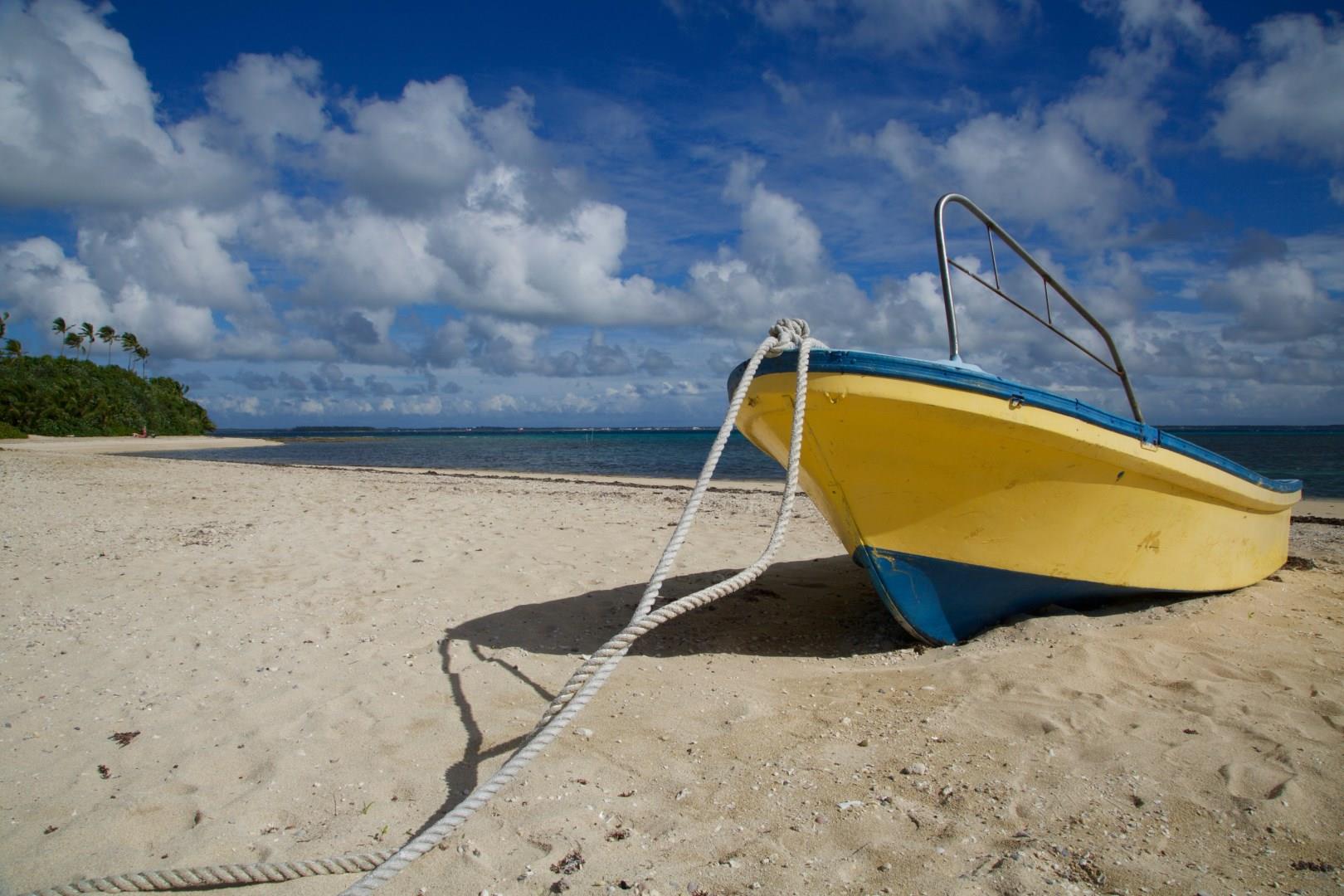
Tonga is distinctly different to its neighboring island nations. This Polynesian kingdom, made up of 170 islands, carries a proud history that dates back over 3,000 years. On the main island of Tongatapu, travelers can explore ancient stone structures like the Haʻamonga ʻa Maui Trilithon—sometimes called the Stonehenge of the Pacific. Royal tombs in Lapaha offer a glimpse into the lineage of Tonga’s kings, while village life remains guided by customs that have changed little over centuries.
