
Nizwa
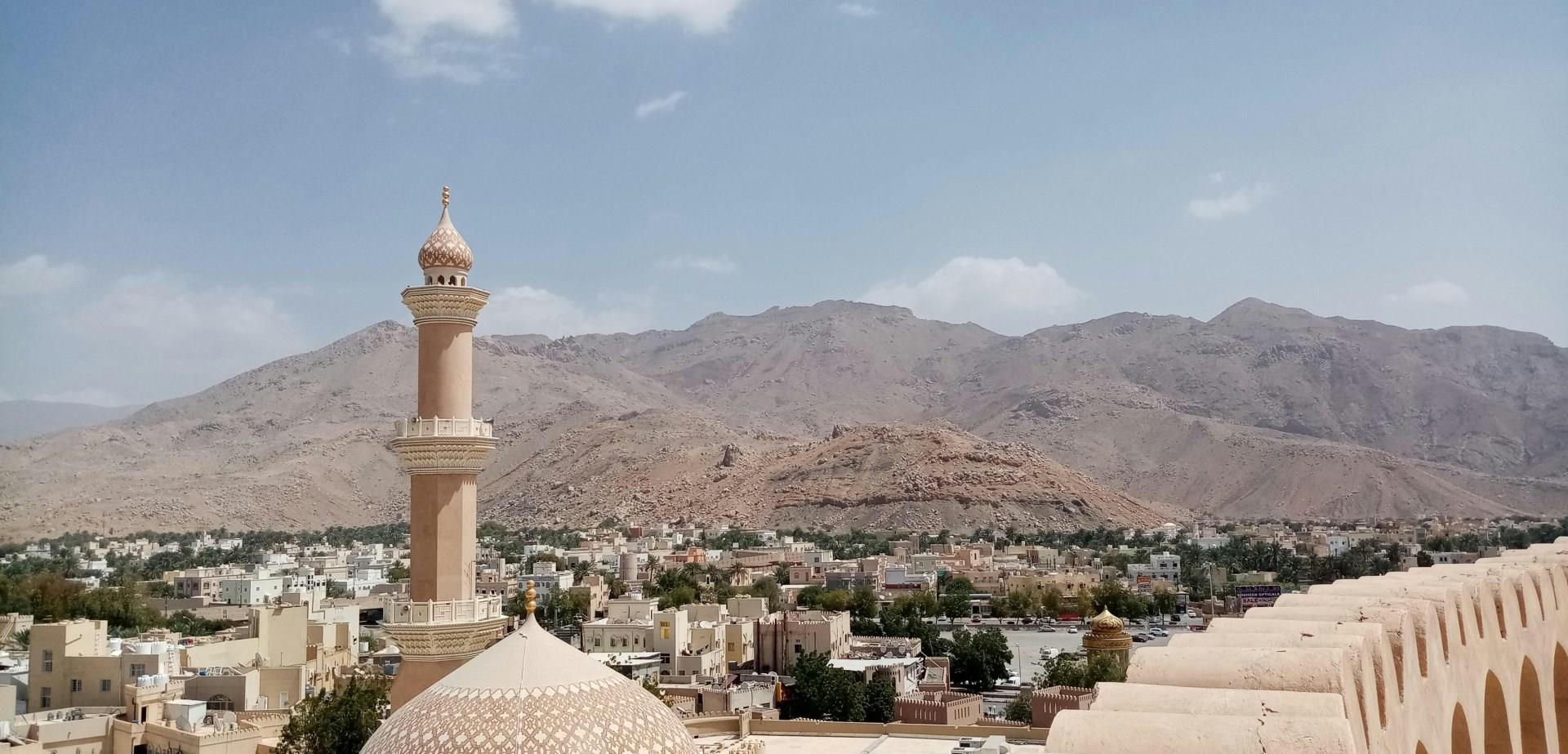
In the heart of Oman lies Nizwa, a city once considered the country’s capital and a hub of learning and trade. Its iconic round fort, built in the 17th century, remains one of Oman’s most visited landmarks.
Fishguard
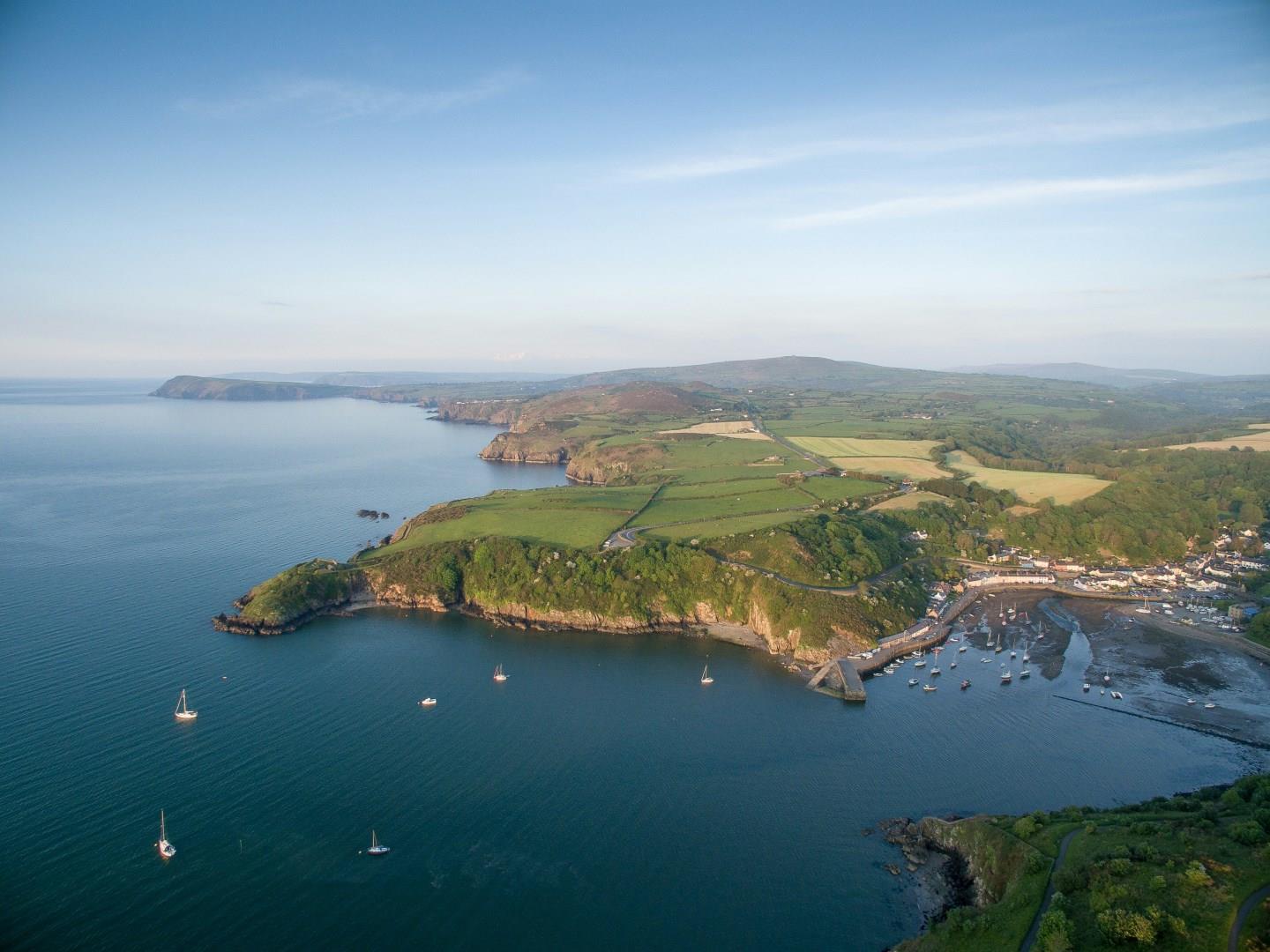
Fishguard, a coastal town in north Pembrokeshire, is divided into two parts: Fishguard and Lower Town. Lower Town is a small harbor nestled at the mouth of the River Gwaun, lined with fishing cottages and boats. It has served as a filming location for several productions, including the 1956 movie *Moby Dick* starring Gregory Peck. Visitors can walk the quayside, explore rock pools at low tide, or take boat trips along the Pembrokeshire Coast.
Malawi
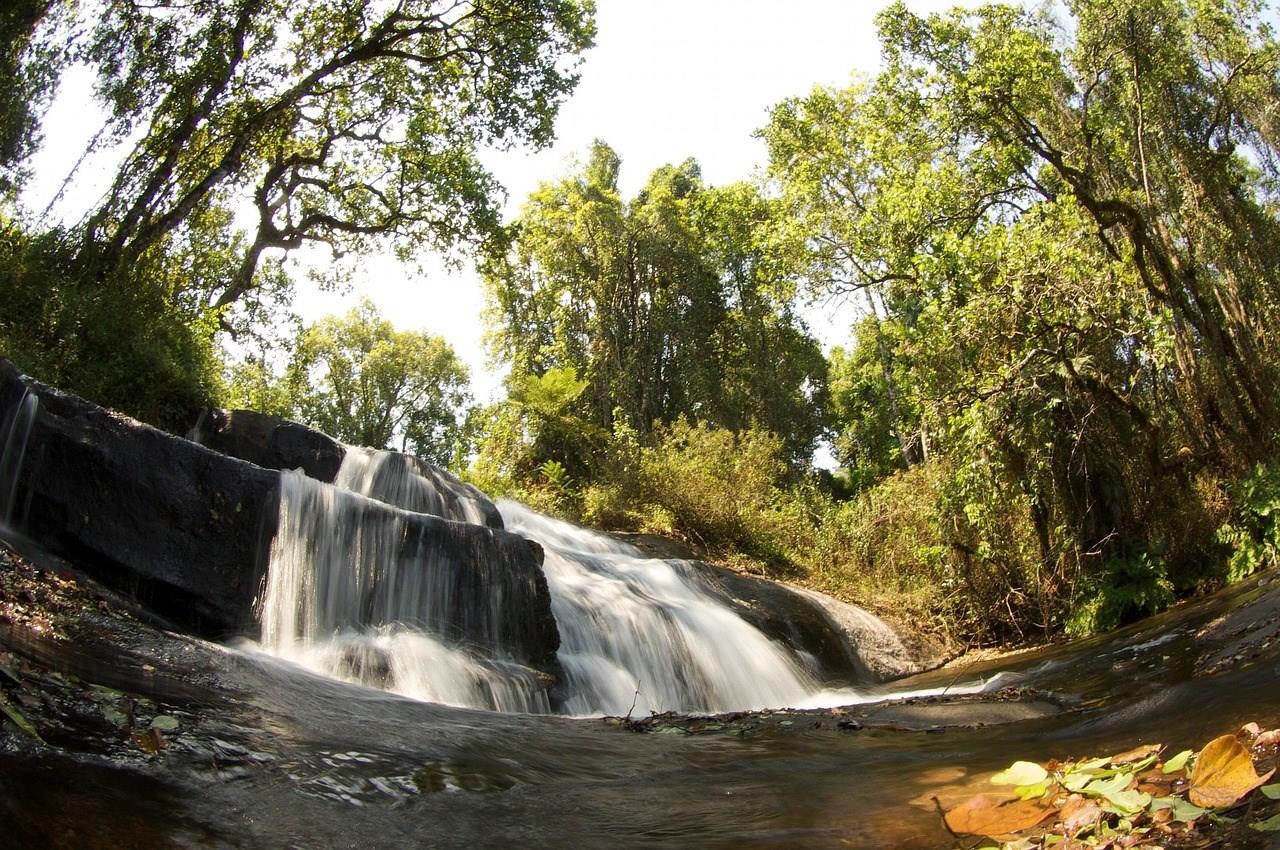
Malawi, often called the “Warm Heart of Africa,” is a landlocked country in southeastern Africa known for its welcoming people and breathtaking natural scenery. Despite its small size, the country offers remarkable diversity, from high mountain plateaus and fertile valleys to sweeping savannas and vast lakeshores.

Kehl
Originating as a tiny fishing village in 1038, modern Kehl has become an important link between Germany and France. Rhine River cruises most often use Kehl as their gateway to the much larger and better-known Strasbourg. The savvy traveler, though, might choose to skip the jaunt across the river and enjoy many similar sights, shopping and cuisine as those offered in the teeming French city.

Xi'an
Xi’an, located in central China’s Shaanxi Province, served as the starting point of the ancient Silk Road and was the capital of 13 imperial dynasties. Its long history is most famously represented by the Terracotta Army, an underground army of life-sized warriors discovered in 1974. Each figure has distinct facial features, hairstyles, and armor, designed to protect Emperor Qin Shi Huang in the afterlife.


