El Chaltén
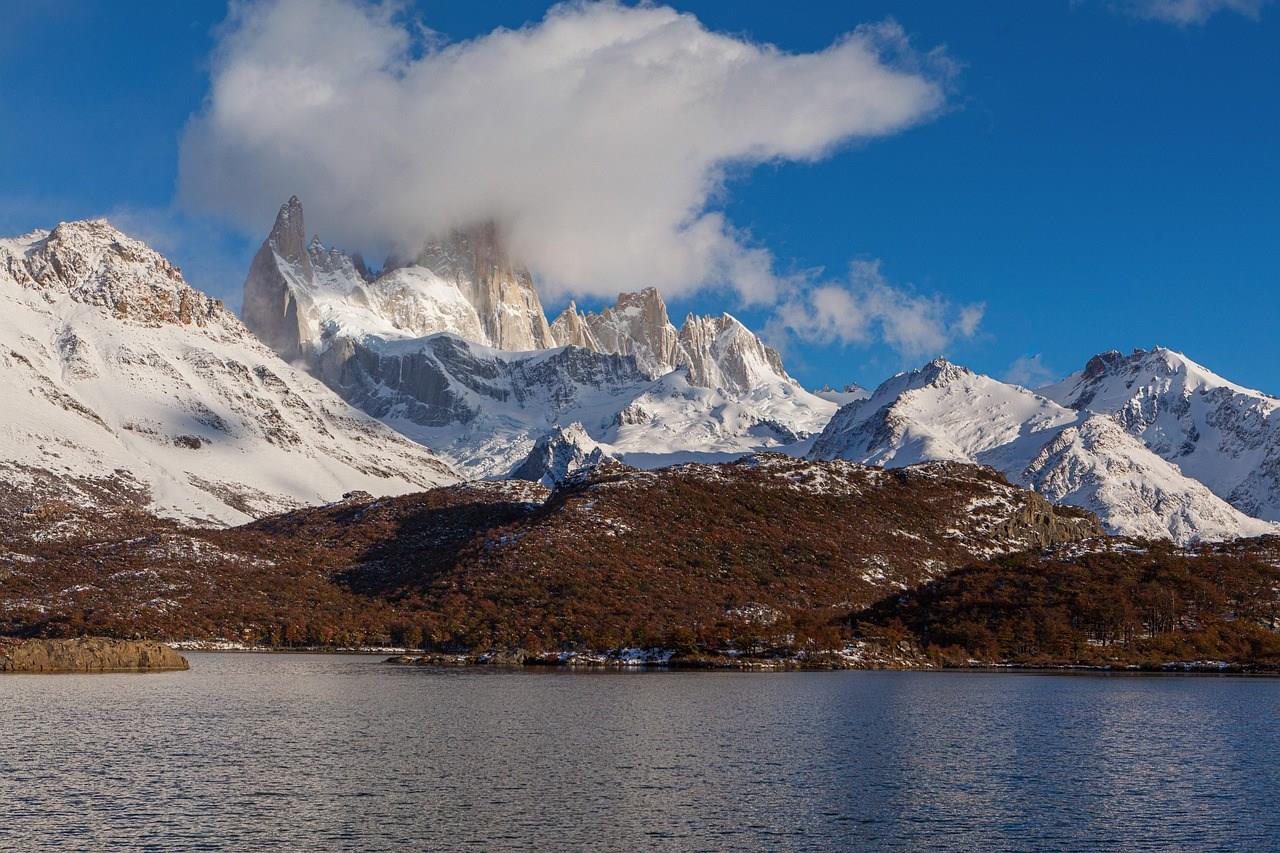
El Chaltén sits at the edge of Los Glaciares National Park in Argentina’s Patagonia region, framed by the iconic peaks of Cerro Fitz Roy and Cerro Torre. Its remote location beside the Río de las Vueltas makes it a gateway to dramatic landscapes of granite spires, glacial streams and wide steppe plains.

Montana
Montana, known as "Big Sky Country," offers a breathtaking blend of natural beauty and outdoor adventure. At the heart of Montana’s allure is Glacier National Park, a haven for nature lovers and hikers. Spanning over a million acres, the park features dramatic landscapes including glaciers, alpine lakes, and rugged mountains.

Santarem
Santarém is a city in central Brazil, located where the Tapajós River meets the Amazon. Its position at this confluence has made it a hub of riverine trade and cultural exchange for centuries, blending Indigenous traditions with Portuguese colonial influence.
Salalah
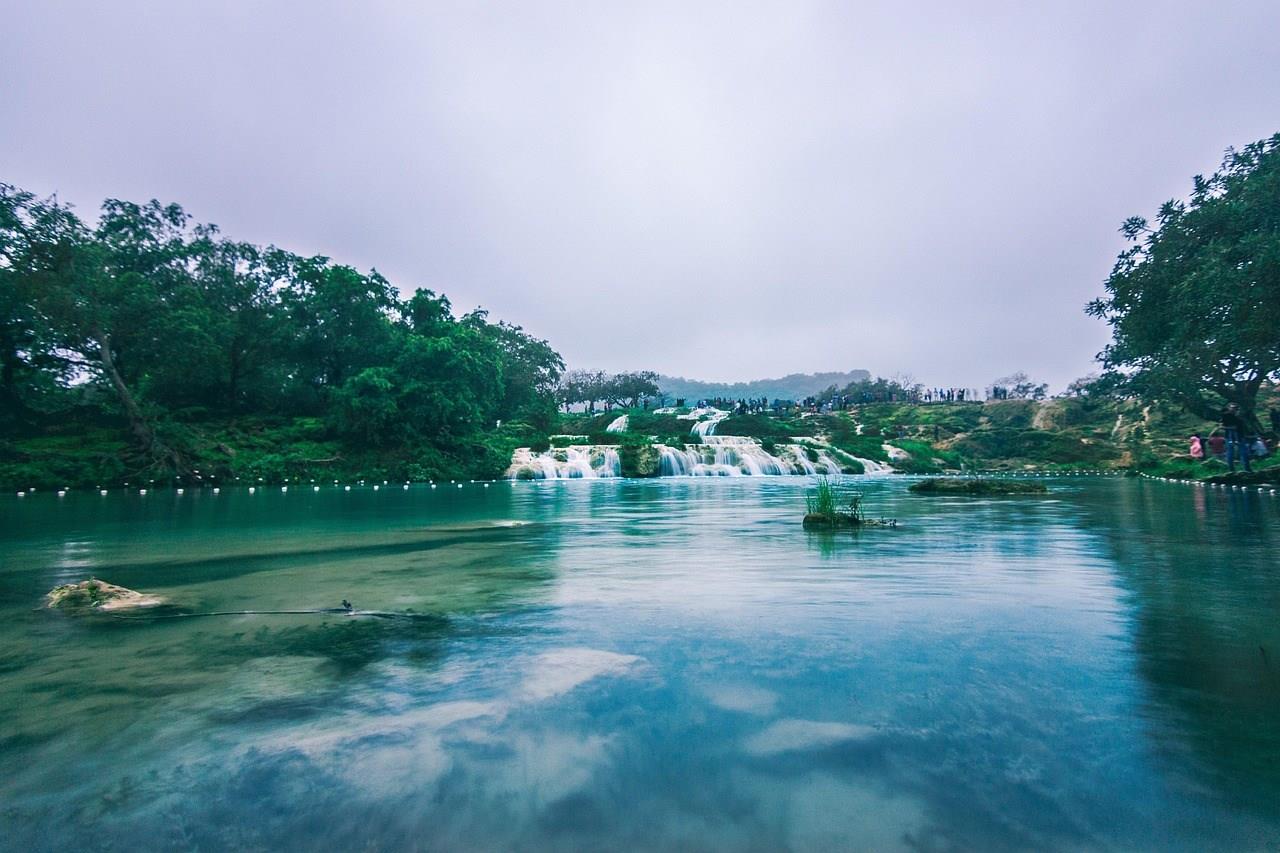
Salalah stands out with its rare blend of desert and tropical appeal. Unlike much of the Arabian Peninsula, this coastal city is transformed by the seasonal Khareef (monsoon), turning the landscape lush and green between June and September.

Rangiroa Atoll
Rangiroa’s beaches and stunning sunsets provide the perfect backdrop for relaxation. The lagoon is ideal for paddleboarding or taking a boat excursion to explore hidden coves.