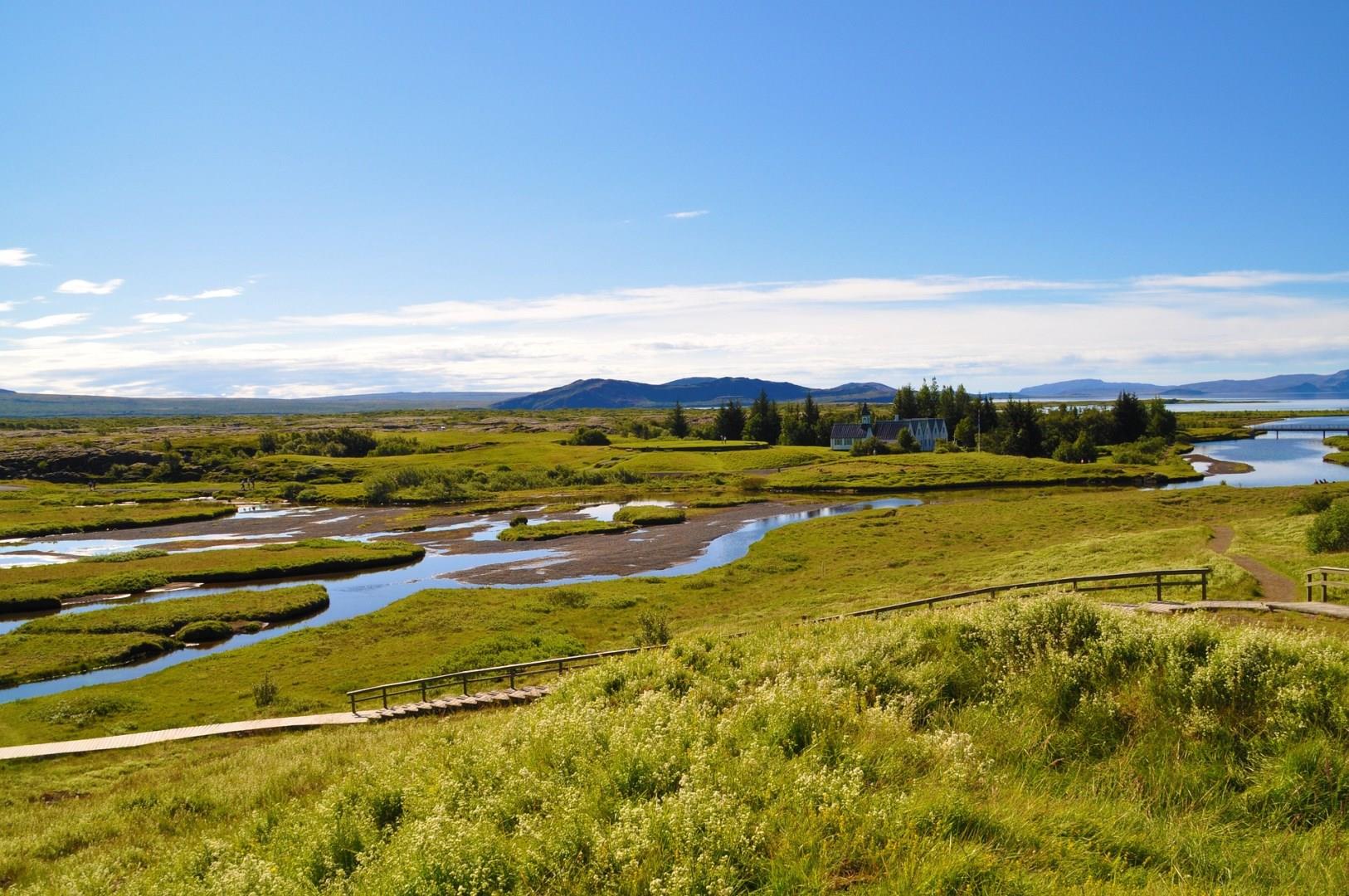
Dominica, known as the “Nature Island of the Caribbean,” is a haven for eco-tourists and adventure seekers. Nestled between the French islands of Guadeloupe and Martinique, this lush island boasts a remarkable landscape of volcanic mountains, dense rainforests, and stunning waterfalls. Dominica’s most iconic natural wonder is the Boiling Lake, the second-largest hot spring in the world.
The Jurassic Coast, a UNESCO World Heritage Site, is a breathtaking stretch of England’s southern coastline that spans 95 miles from Exmouth in Devon to Studland Bay in Dorset. It is renowned for its dramatic cliffs, stunning beaches, and incredible geological history, offering visitors the chance to explore 185 million years of Earth’s evolution.
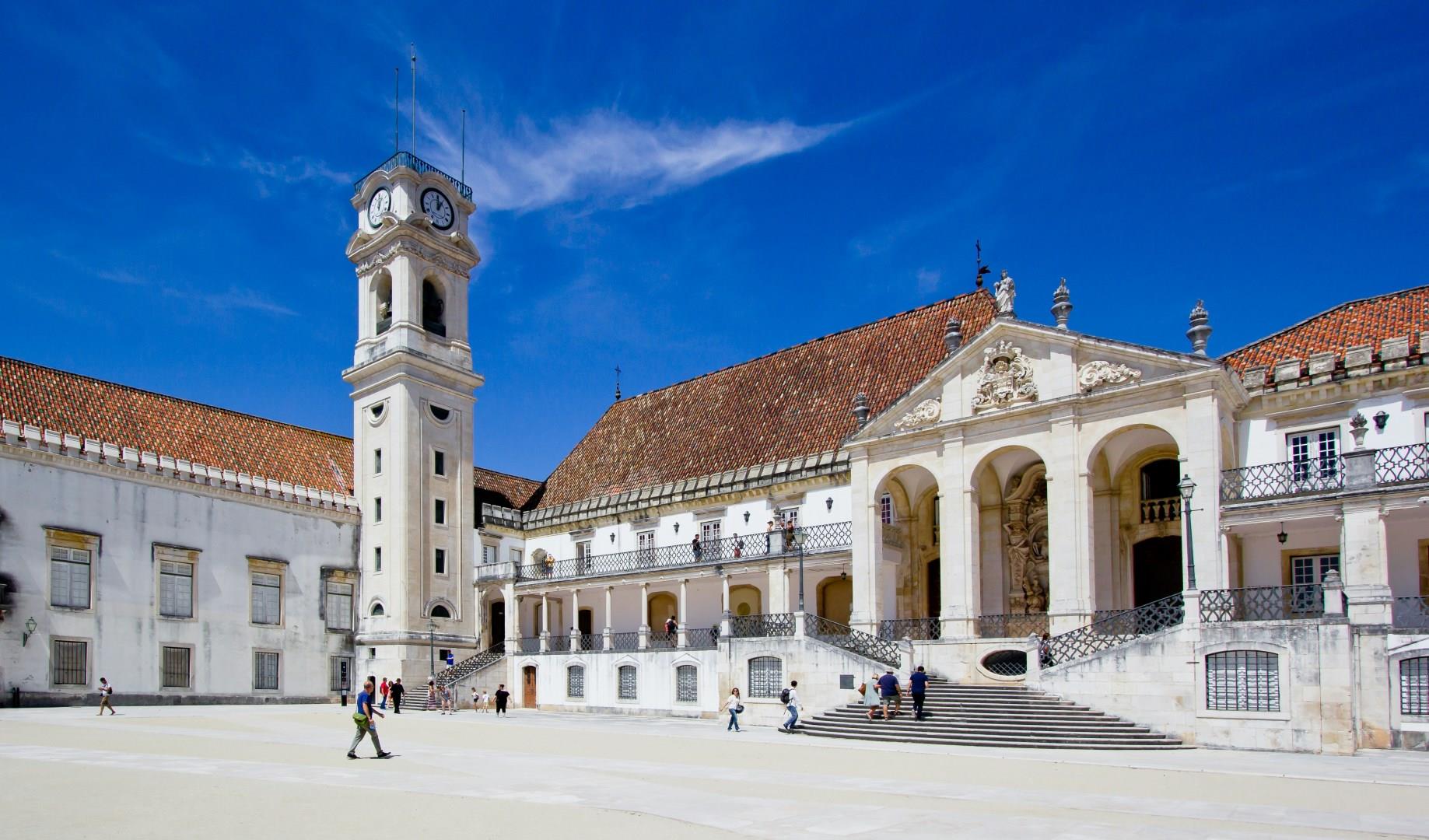
Coimbra, set along the banks of the Mondego River in central Portugal, is a historic city known for its academic legacy and old-world charm. Once the medieval capital of Portugal, it is home to the University of Coimbra, one of the oldest in Europe and a UNESCO World Heritage Site.
With its blend of colonial elegance, vibrant indigenous traditions, and stunning natural landscapes, San Cristóbal de las Casas offers a truly immersive travel experience.
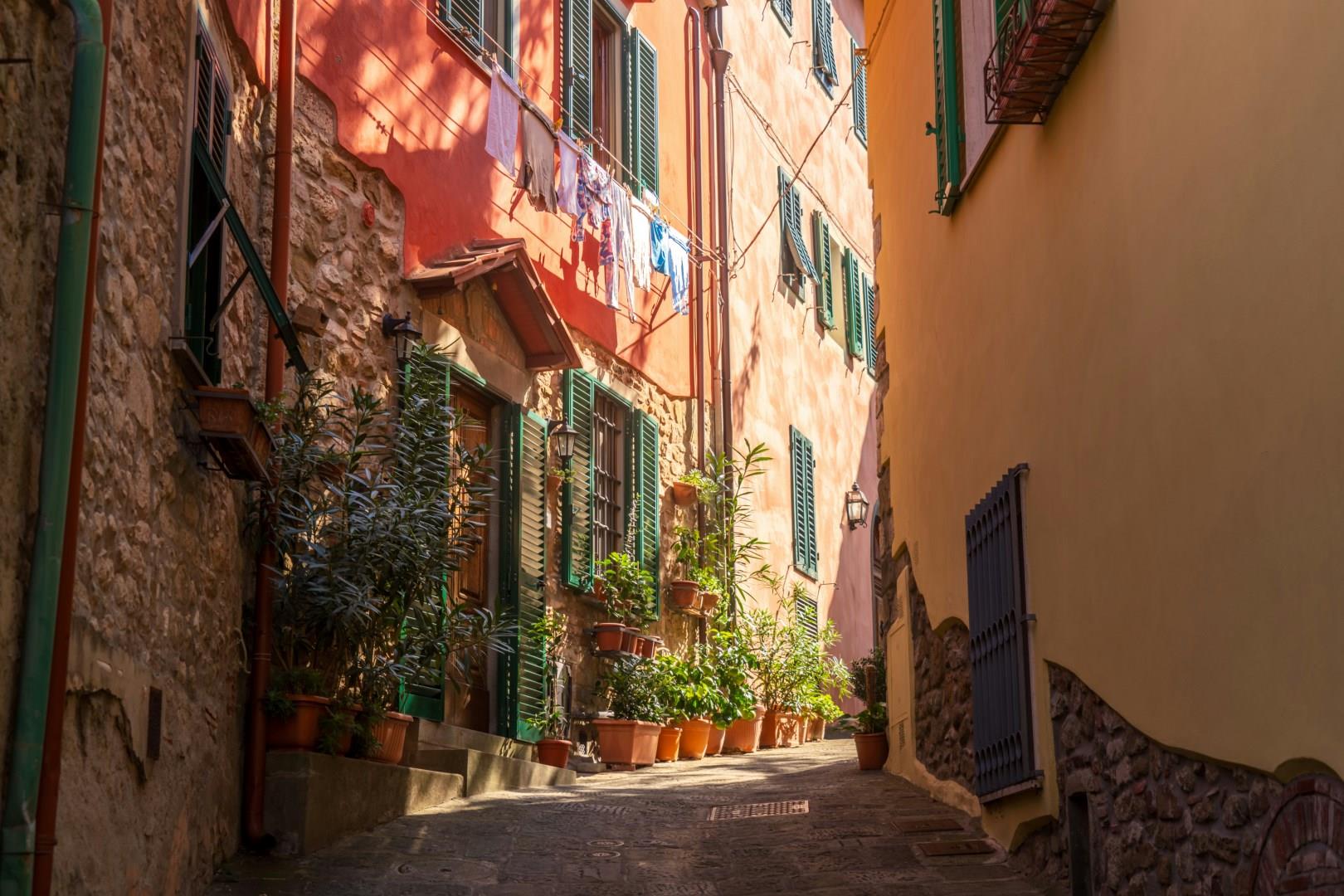
Montecatini Terme, in Tuscany’s Valdinievole region, is one of Italy’s most renowned spa towns, celebrated for its thermal waters and elegant Belle Époque charm.
Thingvellir, a captivating site in Iceland, seamlessly combines natural beauty and historical significance. Located in the Thingvellir National Park, this UNESCO World Heritage Site is a geological wonder where the North American and Eurasian tectonic plates meet. The dramatic landscape features rift valleys and stunning volcanic formations, making it a paradise for hikers and nature enthusiasts. The park is also home to Þingvallavatn, Iceland’s largest natural lake, which offers serene views and opportunities for fishing and kayaking.
Historically, Thingvellir holds great importance as the site of Iceland's first parliament, the Althing, established in 930 AD. This ancient assembly was a significant center for Icelandic democracy and lawmaking, where chieftains gathered annually to settle disputes and create laws. Visitors can explore the ruins of the original site and learn about Iceland’s early governance at the Thingvellir Visitor Centre.
A visit to Thingvellir offers a unique blend of natural splendor and historical intrigue. The park is part of the Golden Circle route, which includes other iconic Icelandic sites such as Geysir and Gullfoss waterfall. In addition to its historical and geological attractions, Thingvellir is a prime location for viewing the Northern Lights during winter months. The park’s low light pollution and expansive views make it an ideal spot for this breathtaking natural phenomenon.
Fun fact: Thingvellir is one of the few places in the world where you can literally walk between two tectonic plates. The Silfra fissure within the park offers a unique snorkeling experience where you can swim between these two plates, immersing yourself in crystal-clear glacial water.