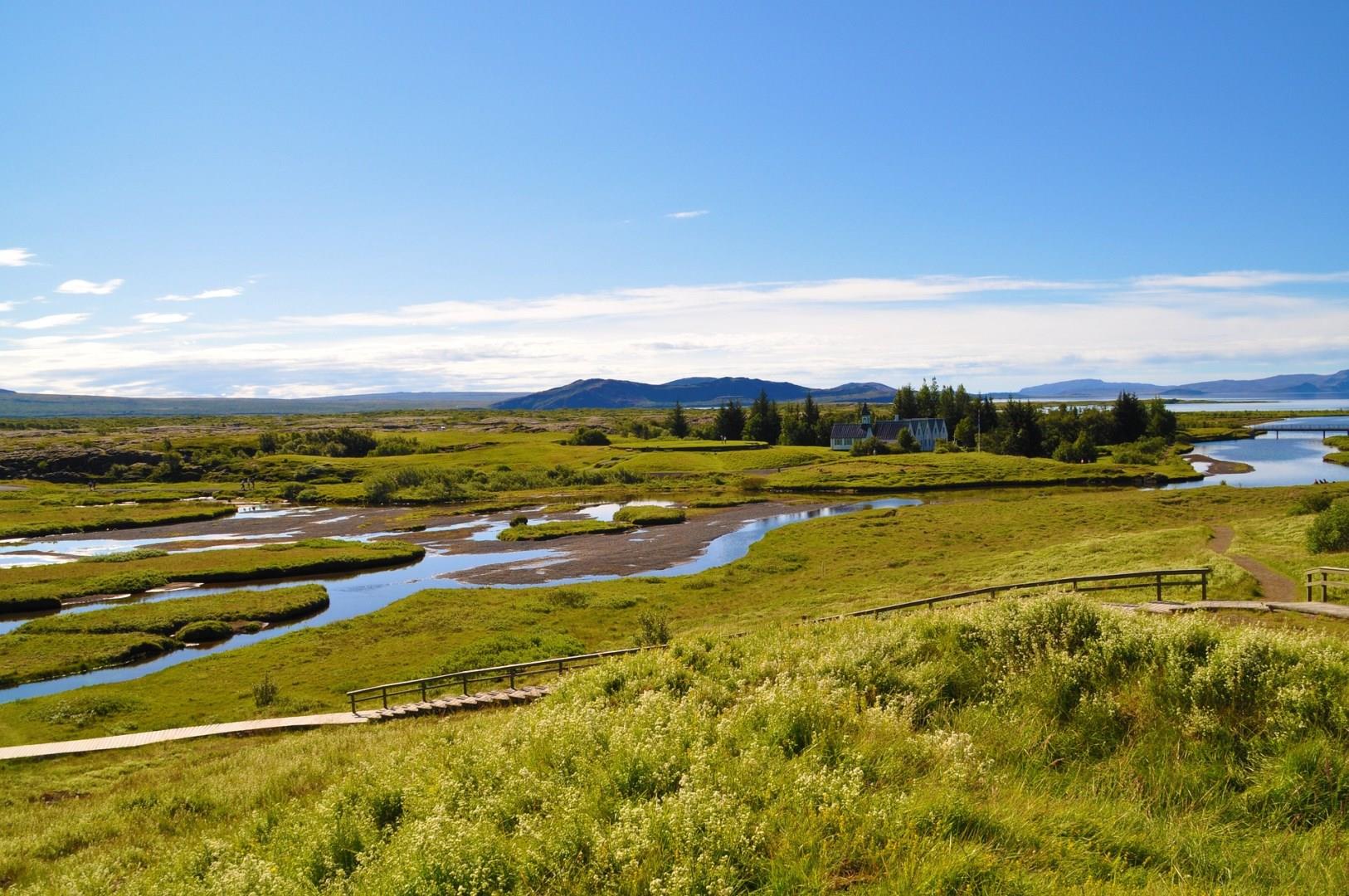
Vaduz
Nestled between Switzerland and Austria, Vaduz, the capital of Liechtenstein, is a charming alpine destination with a blend of modern culture and medieval history. Overlooked by the stunning Vaduz Castle, the official residence of the reigning prince, this small yet vibrant city offers breathtaking views of the Rhine Valley and surrounding mountains

Helsinki
Nature is never far in Helsinki. Locals swim in the sea, walk forested trails, and gather mushrooms or berries all within city limits. One popular local habit is heading to the sauna, and the city offers several open-to-the-public options. Löyly, located on the waterfront, combines traditional wood-burning saunas with a sleek, modern design. In winter, visitors can even pair a sauna session with a quick dip through a hole cut in the ice for an experience both shocking and strangely calming.

Portland, Oregon
Portland, Oregon, is a city where natural beauty and urban innovation coexist harmoniously. Nestled between the Columbia and Willamette Rivers and framed by volcanic mountains, Portland offers an array of outdoor adventures alongside its renowned cultural scene. Visitors can explore the lush expanses of Forest Park, one of the largest urban forests in the U.S., or take a leisurely stroll through the Portland Japanese Garden, which showcases exquisite traditional Japanese landscape design.
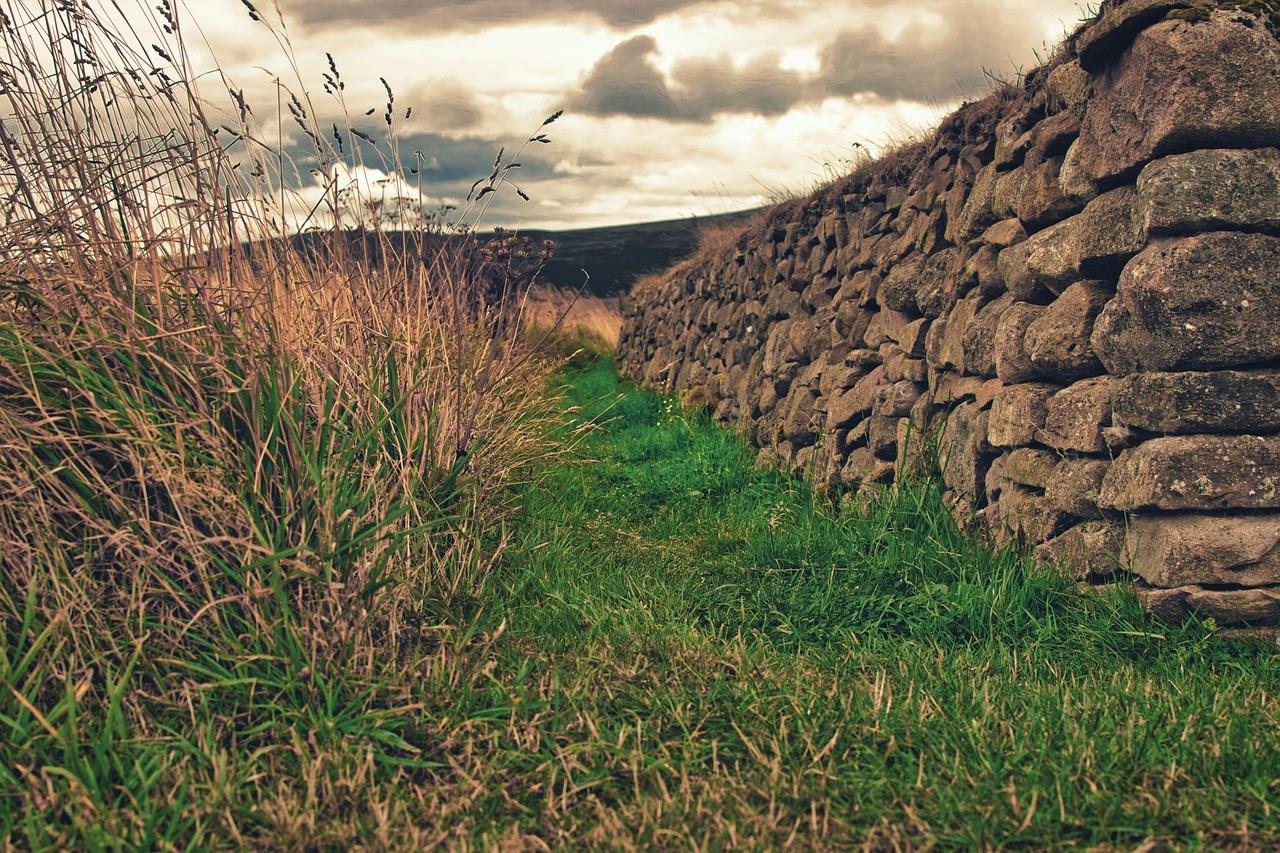
Culloden
Culloden, located just outside Inverness in the Scottish Highlands, is the site of one of the most significant and sobering moments in Scotland’s history. On April 16, 1746, the Battle of Culloden marked the violent end of the Jacobite uprising led by Charles Edward Stuart, better known as Bonnie Prince Charlie. In under an hour, the hopes of restoring the Stuart monarchy were crushed by government forces.

Mannheim
This city, which started as a modest fishing village, now offers plenty of modern German charm. The extensive public transportation makes it a perfect home base for seeing nearby attractions such as Heidelberg. Mannheim is known for its many pretzel stands, so make sure you indulge in one of these delicious treats before you leave!