Tonga
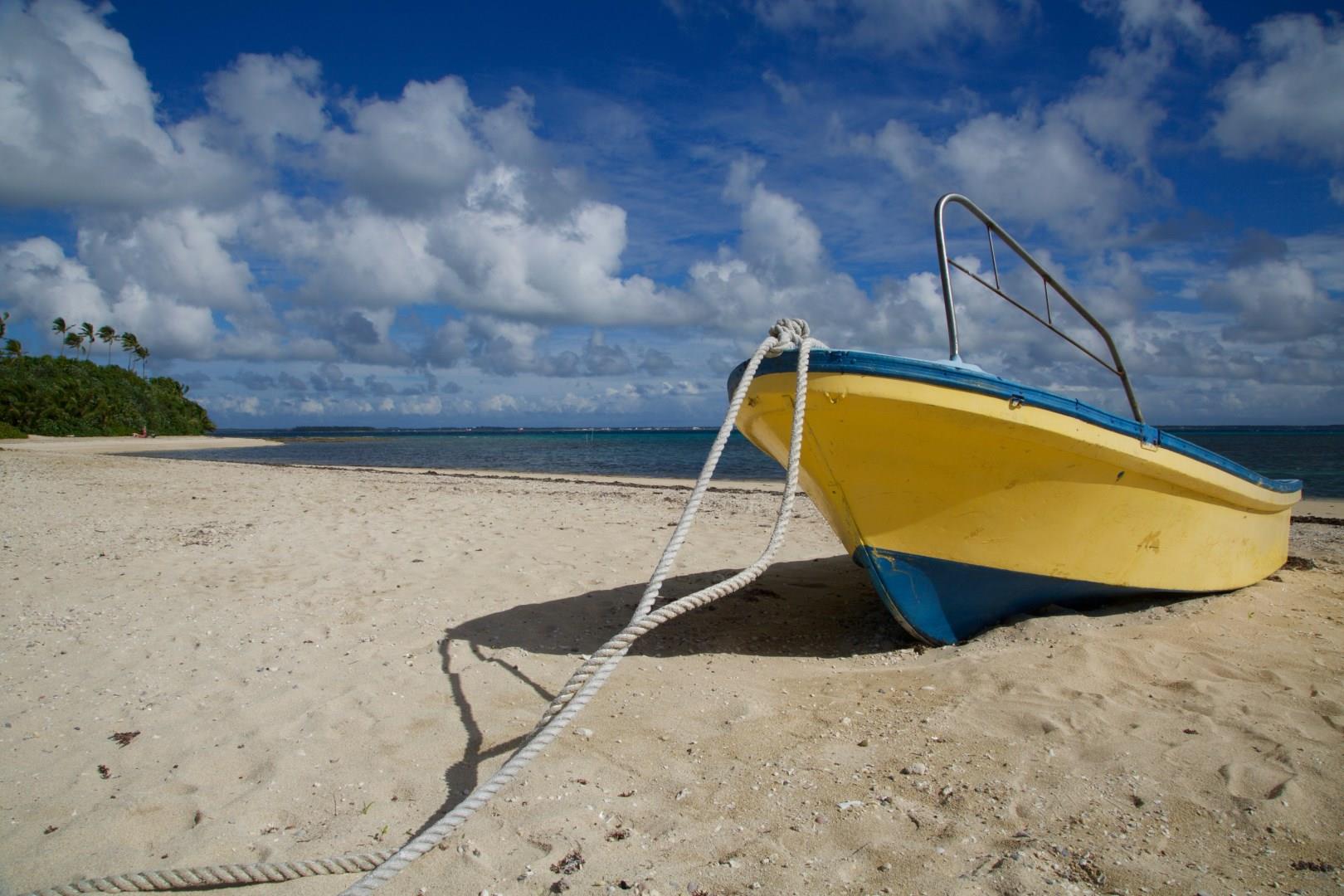
Tonga is distinctly different to its neighboring island nations. This Polynesian kingdom, made up of 170 islands, carries a proud history that dates back over 3,000 years. On the main island of Tongatapu, travelers can explore ancient stone structures like the Haʻamonga ʻa Maui Trilithon—sometimes called the Stonehenge of the Pacific. Royal tombs in Lapaha offer a glimpse into the lineage of Tonga’s kings, while village life remains guided by customs that have changed little over centuries.

Izmir
The third largest city in Turkey, a cosmopolitan and lively city all year round, during the International Arts Festival (June/July) and the international Fair (August/September), Izmir bursts with an added vibrancy.

Dominica
Dominica, known as the “Nature Island of the Caribbean,” is a haven for eco-tourists and adventure seekers. Nestled between the French islands of Guadeloupe and Martinique, this lush island boasts a remarkable landscape of volcanic mountains, dense rainforests, and stunning waterfalls. Dominica’s most iconic natural wonder is the Boiling Lake, the second-largest hot spring in the world.

Jamaica
With its stunning beaches, lively culture, and unforgettable adventures, Jamaica offers an unparalleled Caribbean escape.

Bora Bora
Bora Bora, often referred to as the "Jewel of the South Seas," is the epitome of tropical luxury. Nestled in the Society Islands of French Polynesia, this idyllic island is famed for its stunning turquoise lagoon, ringed by a barrier reef and dotted with overwater bungalows.