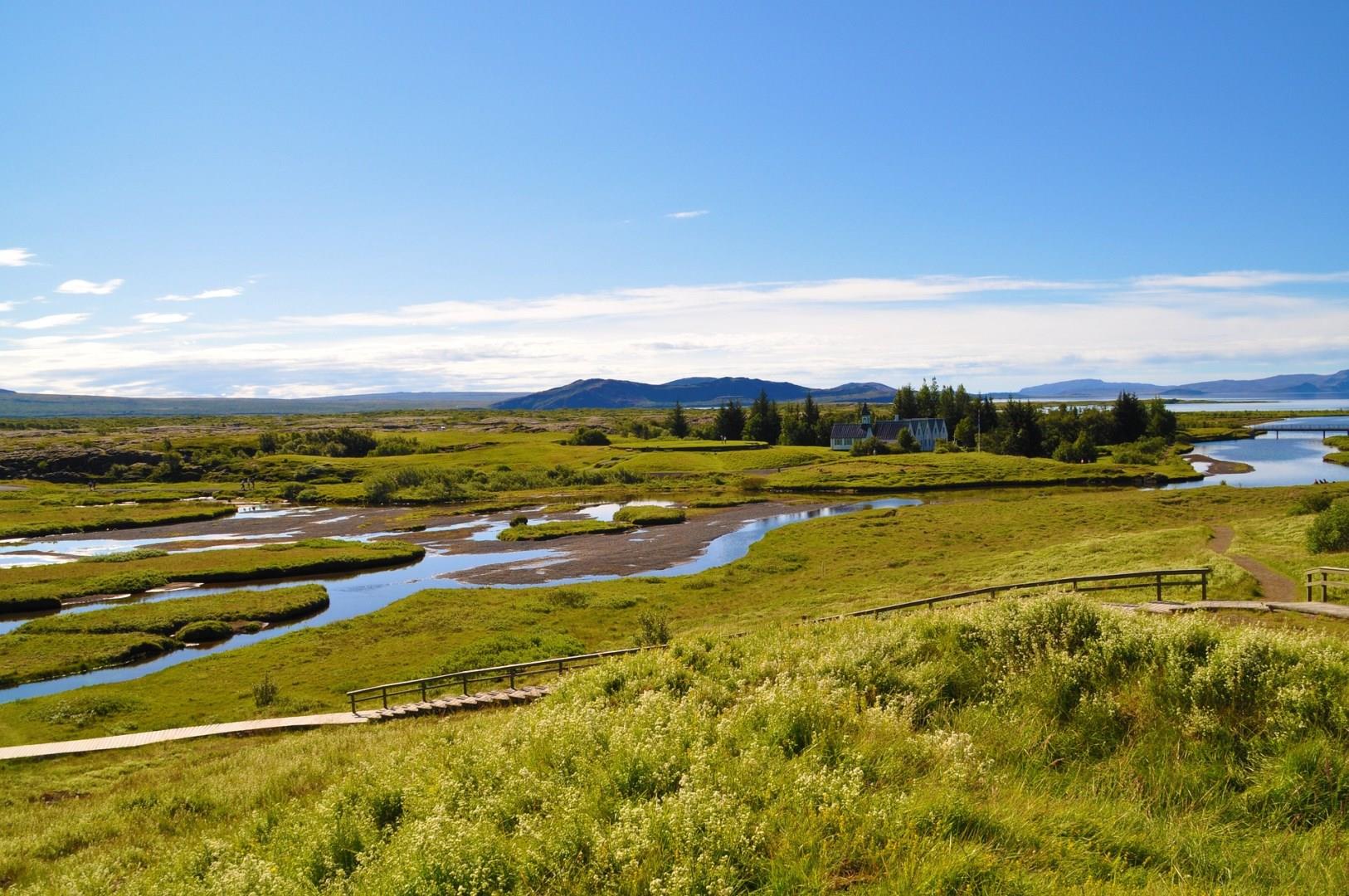
Honfleur
Honfleur, a picturesque port town in Normandy, France, is a destination brimming with charm, history, and artistic inspiration. Its historic Vieux-Bassin (Old Harbor) is a central highlight. The harbor, lined with colorful buildings and fishing boats, has served as a muse for countless artists, including Impressionists like Claude Monet and Eugène Boudin. Today, visitors can explore the Eugène Boudin museum to admire works celebrating the beauty of Honfleur and the surrounding landscapes.

Innsbruck
Located in western Austria, Innsbruck is a charming European destination on the banks of the Inn River. A popular stop for skiing, Innsbruck is nestled within the Alps and offers a variety of cable cars to whisk you to the mountains for outdoor sports and spectacular views of the Innsbruck below.

Puntarenas
Stretching along Costa Rica’s Pacific coast, Puntarenas offers more than just sandy shores. This historic port town once served as the country’s main gateway for coffee exports in the 19th century. Today, visitors can stroll along streets that echo stories of maritime trade and explore how Puntarenas helped shape Costa Rica's economic identity.
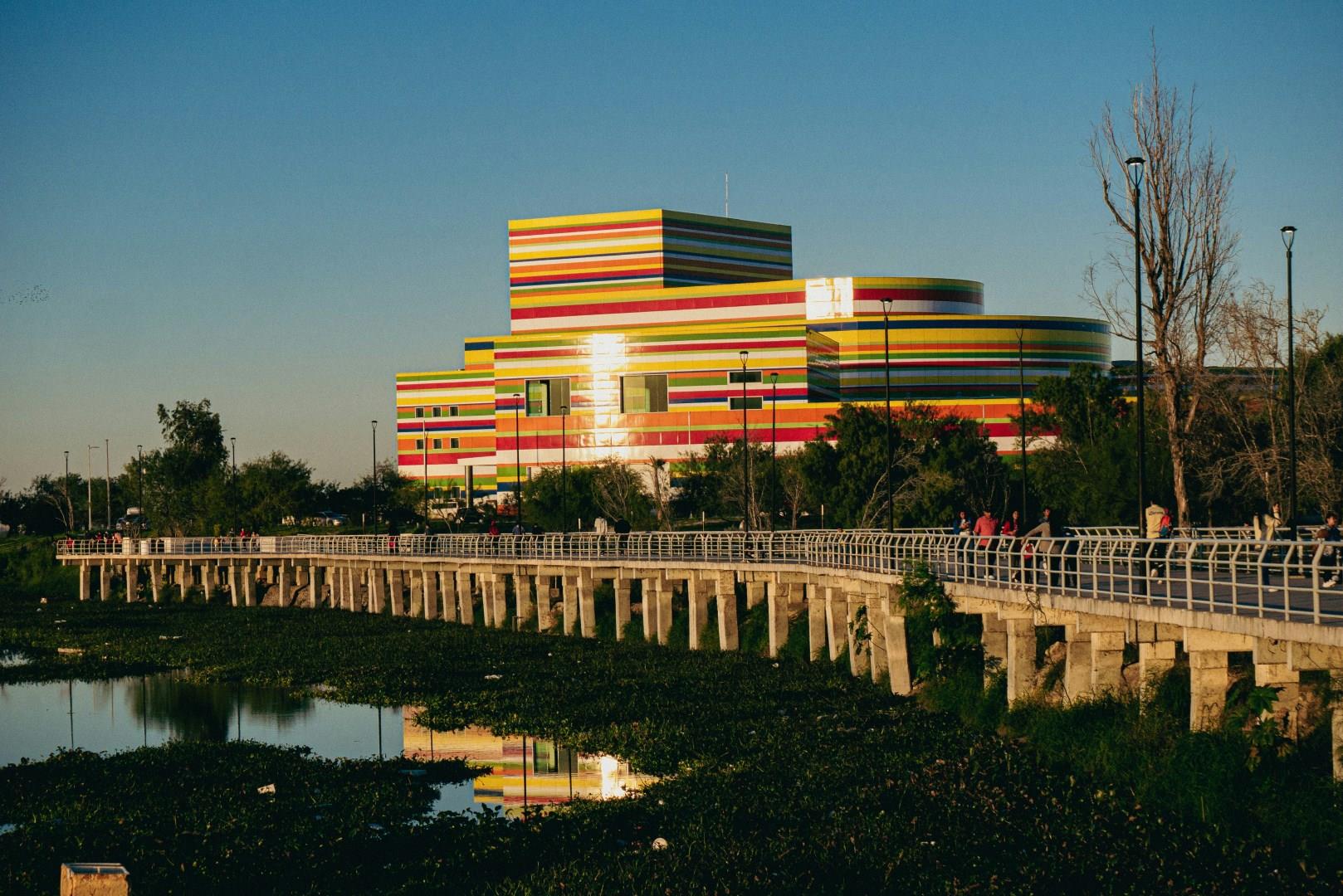
Reynosa
Reynosa, located along the northern border of Tamaulipas, is a city shaped by its position as a cultural and economic bridge between Mexico and the United States. Founded in 1749, Reynosa has grown into a vital manufacturing and trade center, but it also holds onto traditions that reflect both its regional roots and binational influences. The Plaza Principal is a popular gathering spot, often hosting live music and seasonal festivals.
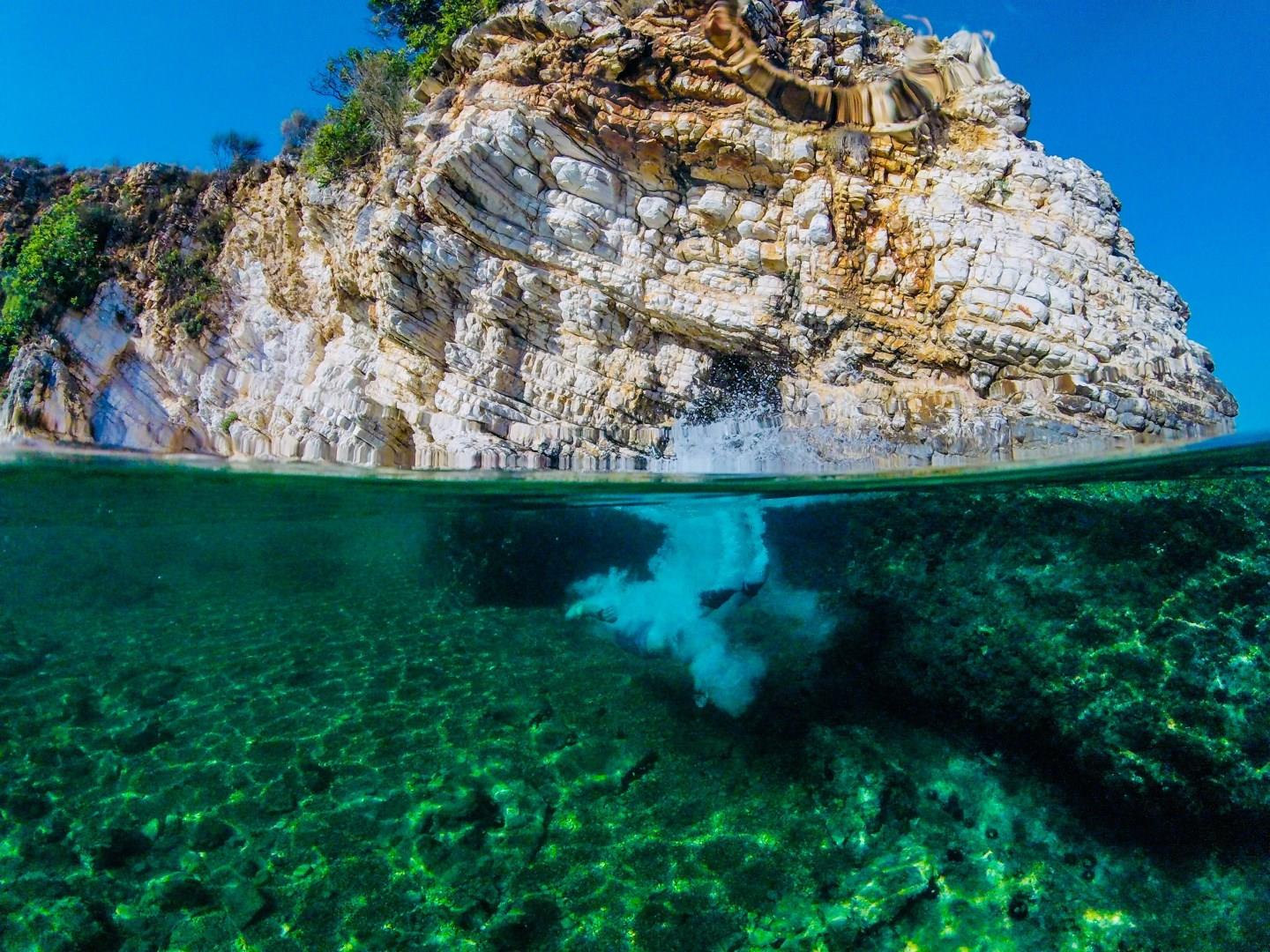
Saranda
Saranda, a coastal town in southern Albania, is a hidden gem with stunning beaches and crystal-clear waters. The town's vibrant promenade is lined with cafes, restaurants, and shops. Saranda is known for its mild Mediterranean climate, making it a year-round destination for those looking to escape colder weather. During the summer months, Saranda's population multiplies several times.