Dominica
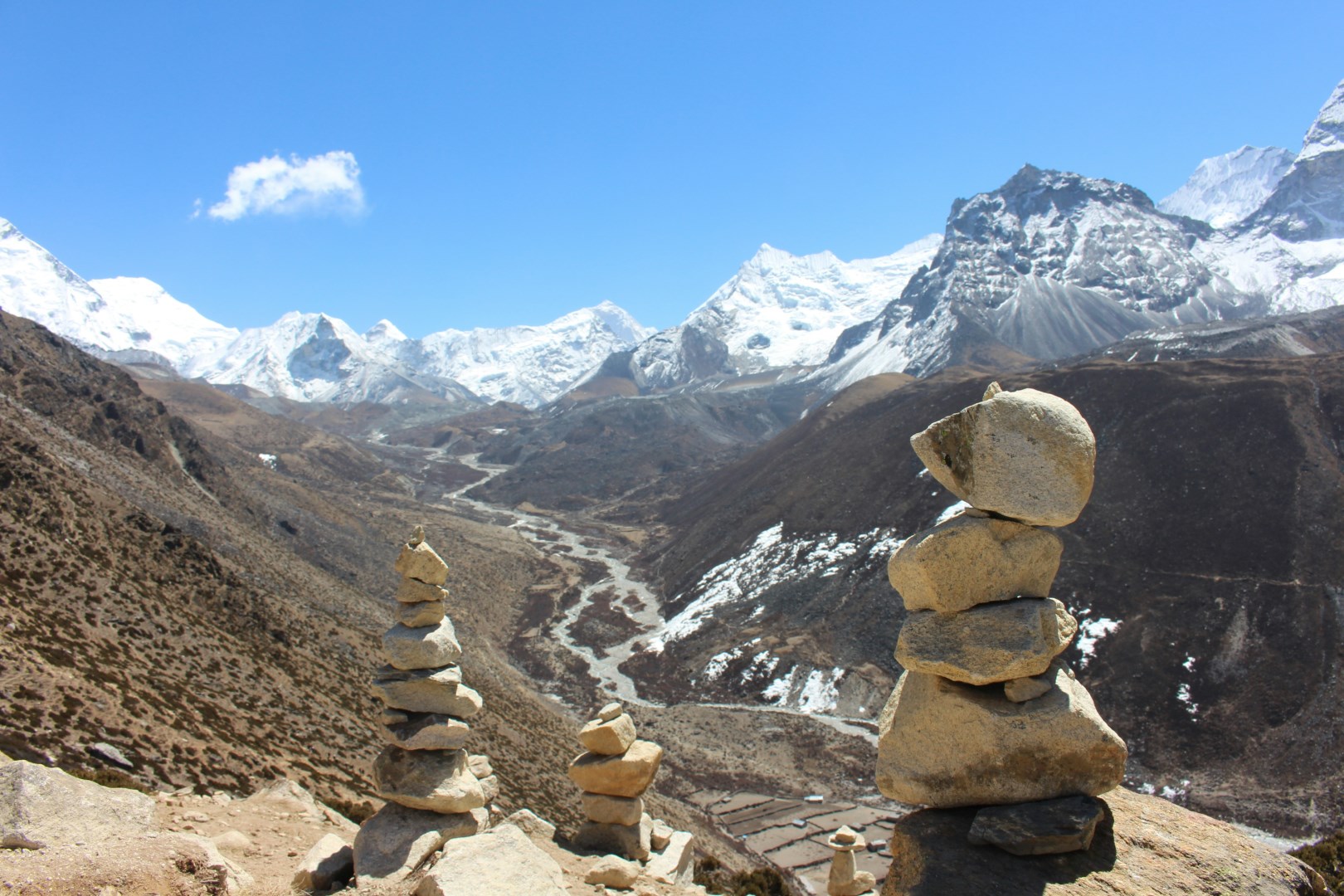
Dominica, known as the “Nature Island of the Caribbean,” is a haven for eco-tourists and adventure seekers. Nestled between the French islands of Guadeloupe and Martinique, this lush island boasts a remarkable landscape of volcanic mountains, dense rainforests, and stunning waterfalls. Dominica’s most iconic natural wonder is the Boiling Lake, the second-largest hot spring in the world.

Portland, Oregon
Portland, Oregon, is a city where natural beauty and urban innovation coexist harmoniously. Nestled between the Columbia and Willamette Rivers and framed by volcanic mountains, Portland offers an array of outdoor adventures alongside its renowned cultural scene. Visitors can explore the lush expanses of Forest Park, one of the largest urban forests in the U.S., or take a leisurely stroll through the Portland Japanese Garden, which showcases exquisite traditional Japanese landscape design.

Rhine River
Whether cruising along its waters, exploring historic towns, or simply soaking in the scenic views, the Rhine River offers an experience that is as diverse as the countries it passes through.
Fox Glacier
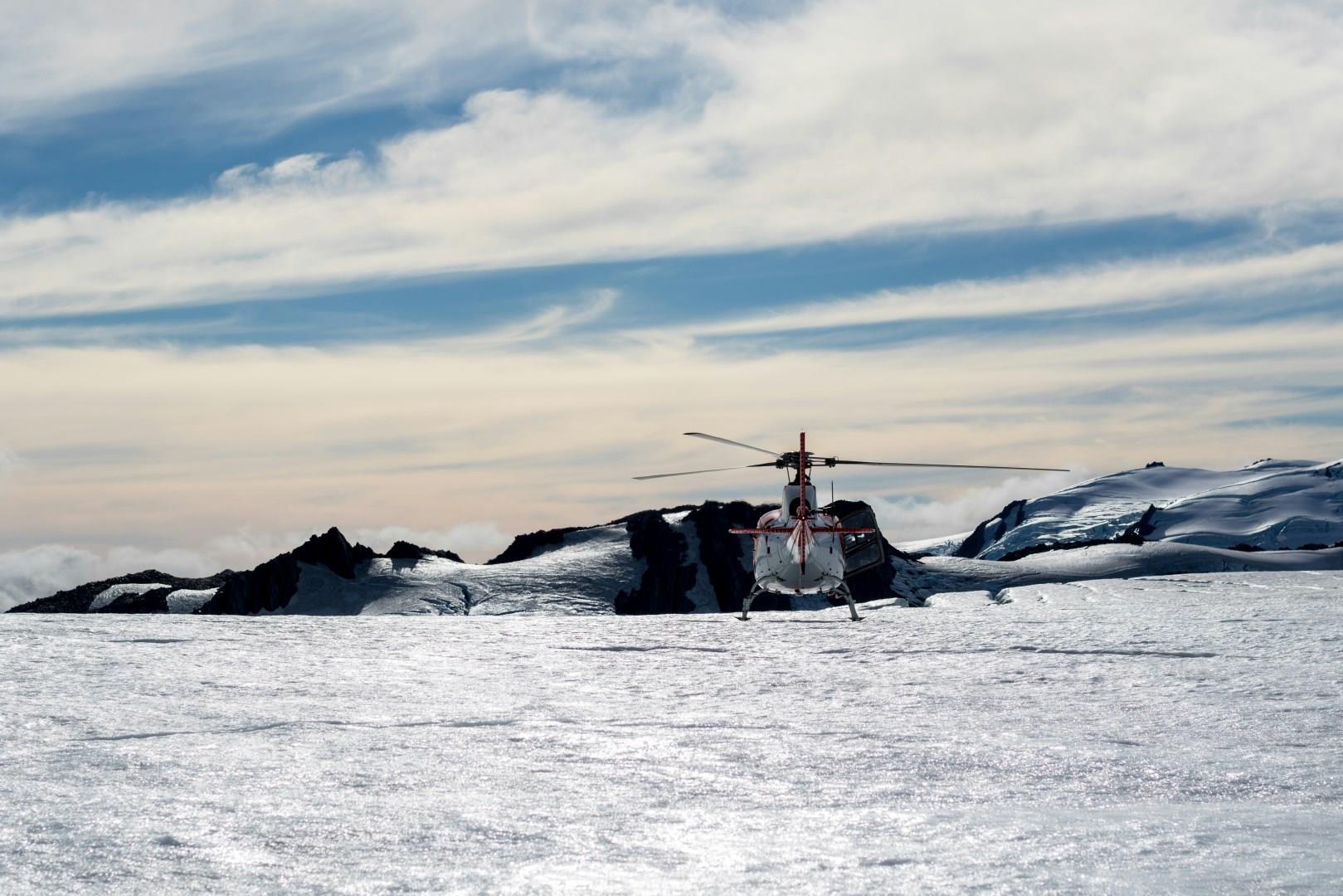
Fox Glacier, on New Zealand’s South Island, is one of the country’s most remarkable natural wonders, where icy landscapes meet lush rainforest. Named after Sir William Fox, a 19th-century Prime Minister of New Zealand, the glacier stretches from the high peaks of the Southern Alps down into temperate rainforest.
Sao Paulo
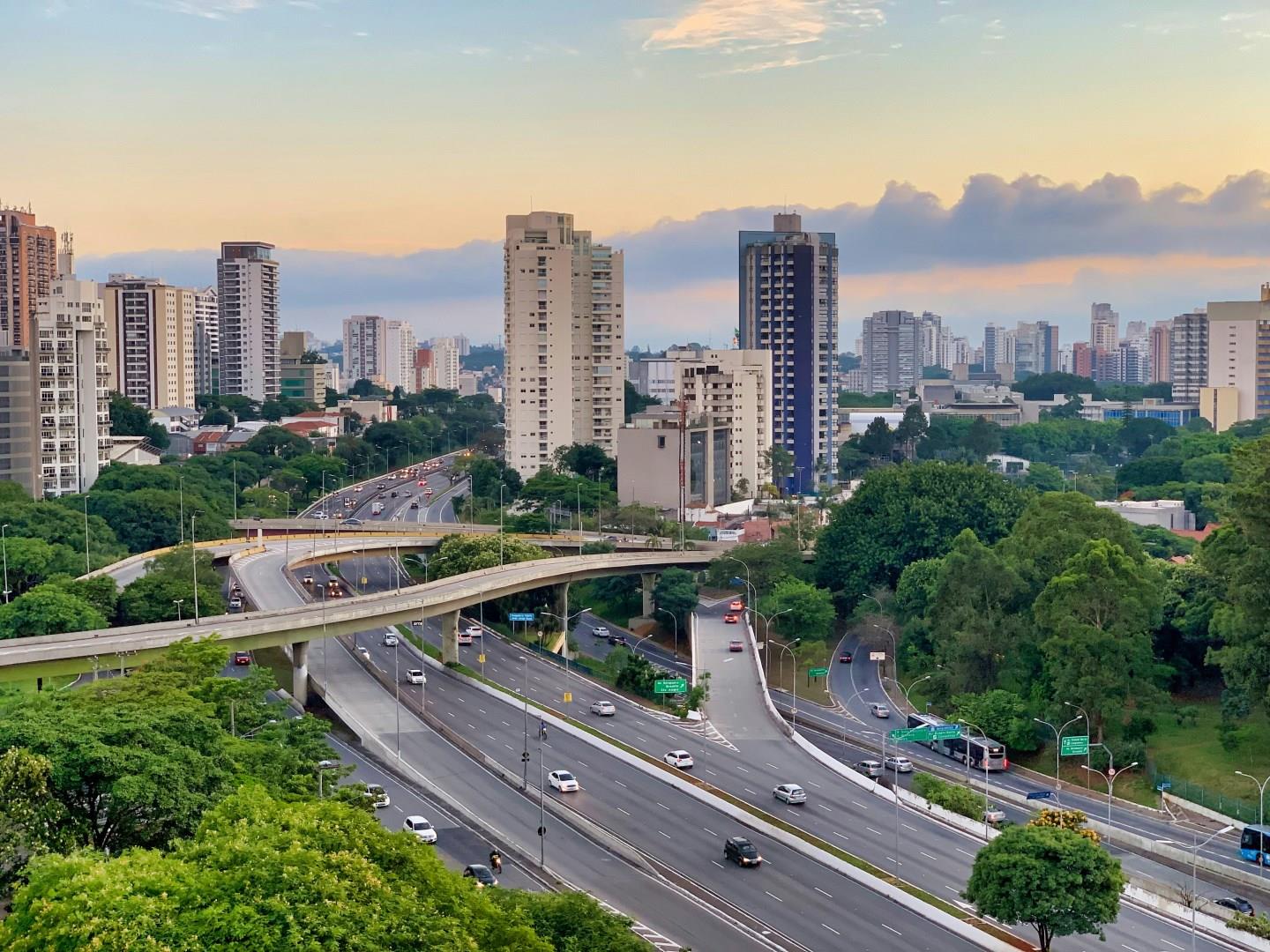
Sao Paulo is Brazil’s largest city and its economic engine, shaped by waves of migration that began in the late 19th century and never truly slowed. Italians, Japanese, Lebanese, and migrants from across Brazil all left visible marks on the city’s neighborhoods, food, and cultural life.