
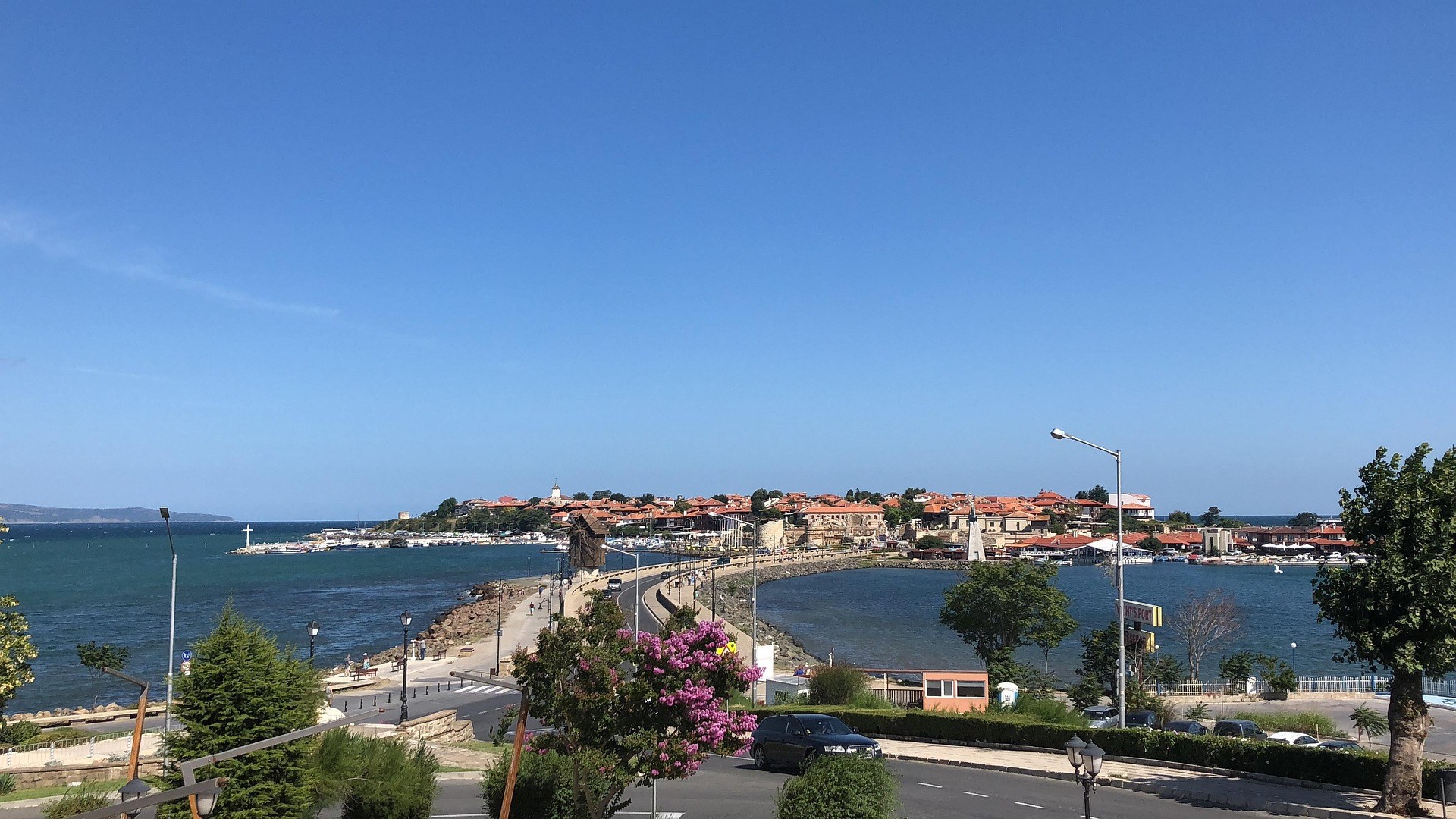
Varna
Varna is a beautiful city along the Black Sea and a favorite port of luxury cruise ships.

Beverly Hills
Beverly Hills, California, is synonymous with luxury, glamour, and a unique blend of history and modern sophistication. Nestled within the heart of Los Angeles County, this iconic city is best known for its world-famous shopping district, Rodeo Drive, where upscale boutiques and designer stores, like Gucci, Prada, and Louis Vuitton, line the palm-tree-fringed streets.
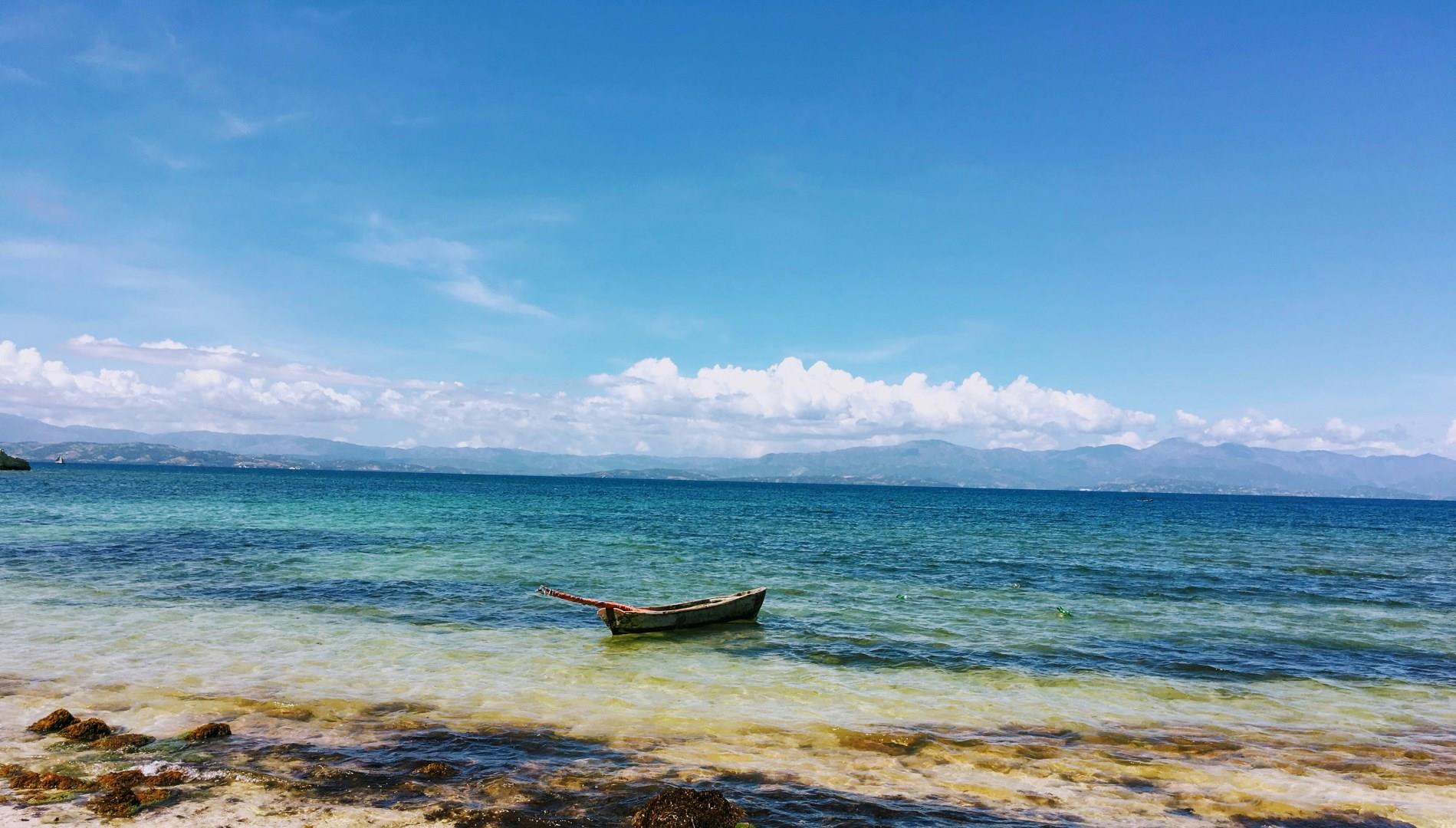
Ile a Vache
Ile a Vache, or "Cow Island," is a tranquil paradise off Haiti’s southern coast, offering a rare glimpse into an unspoiled Caribbean escape. With its pristine beaches, crystal-clear waters, and lush landscapes, the island is a haven for nature lovers and those seeking serenity.

Sinaloa
Sinaloa, in Northwest Mexico, comprises 18 municipalities, and Culiacán Rosales serves as its capital. It is located opposite Baja California Sur, across the Gulf of California.
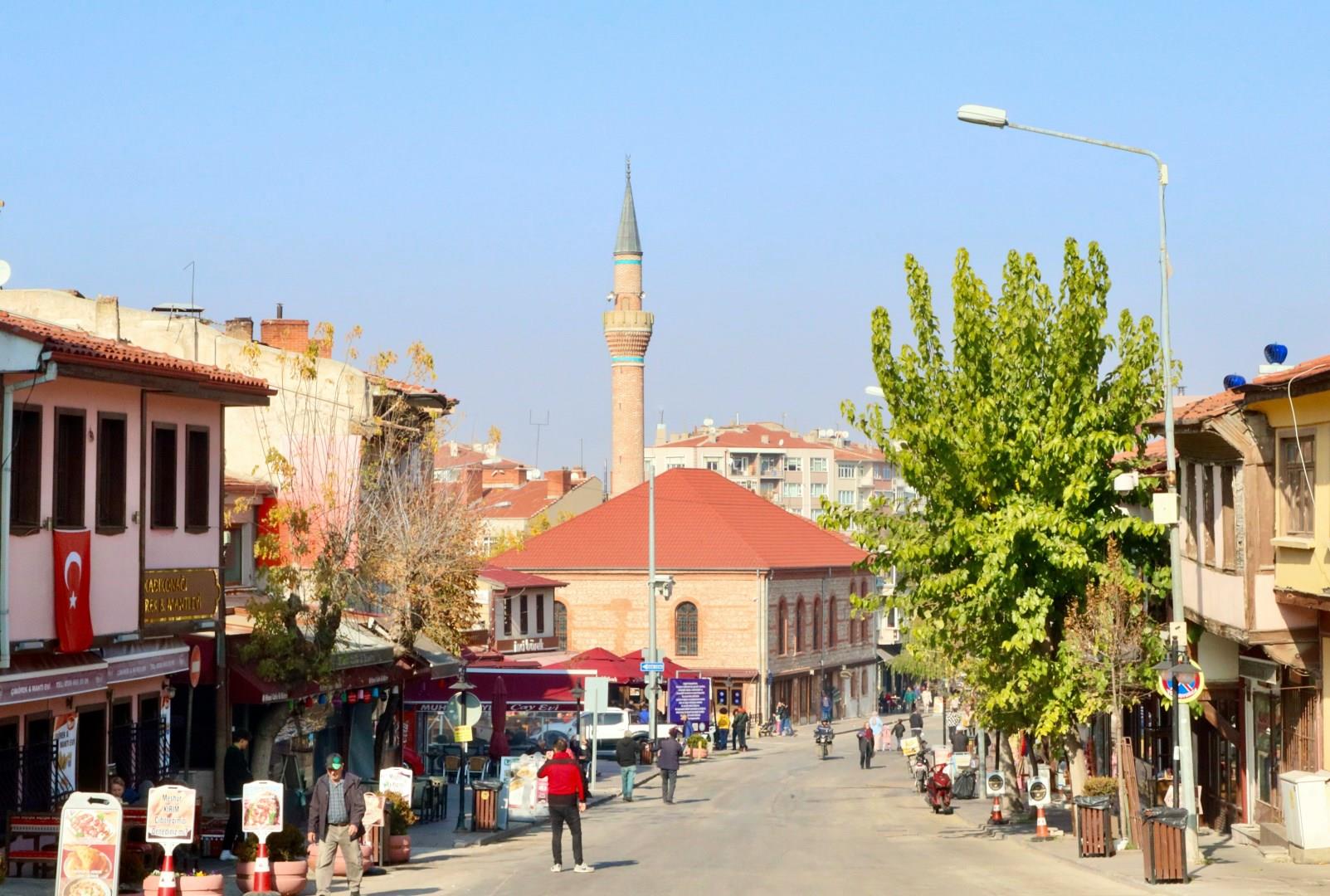
Eskisehir
Eskişehir, located in northwestern Turkey, is a city where old meets new in unexpected ways. Known for its youthful vibe due to its two major universities, the city is also deeply rooted in history. It sits along the Porsuk River, which winds through lively neighborhoods and parks. The riverfront, once mostly industrial, has been transformed into a place where gondolas pass under bridges and locals gather at riverside cafes.


