Réunion
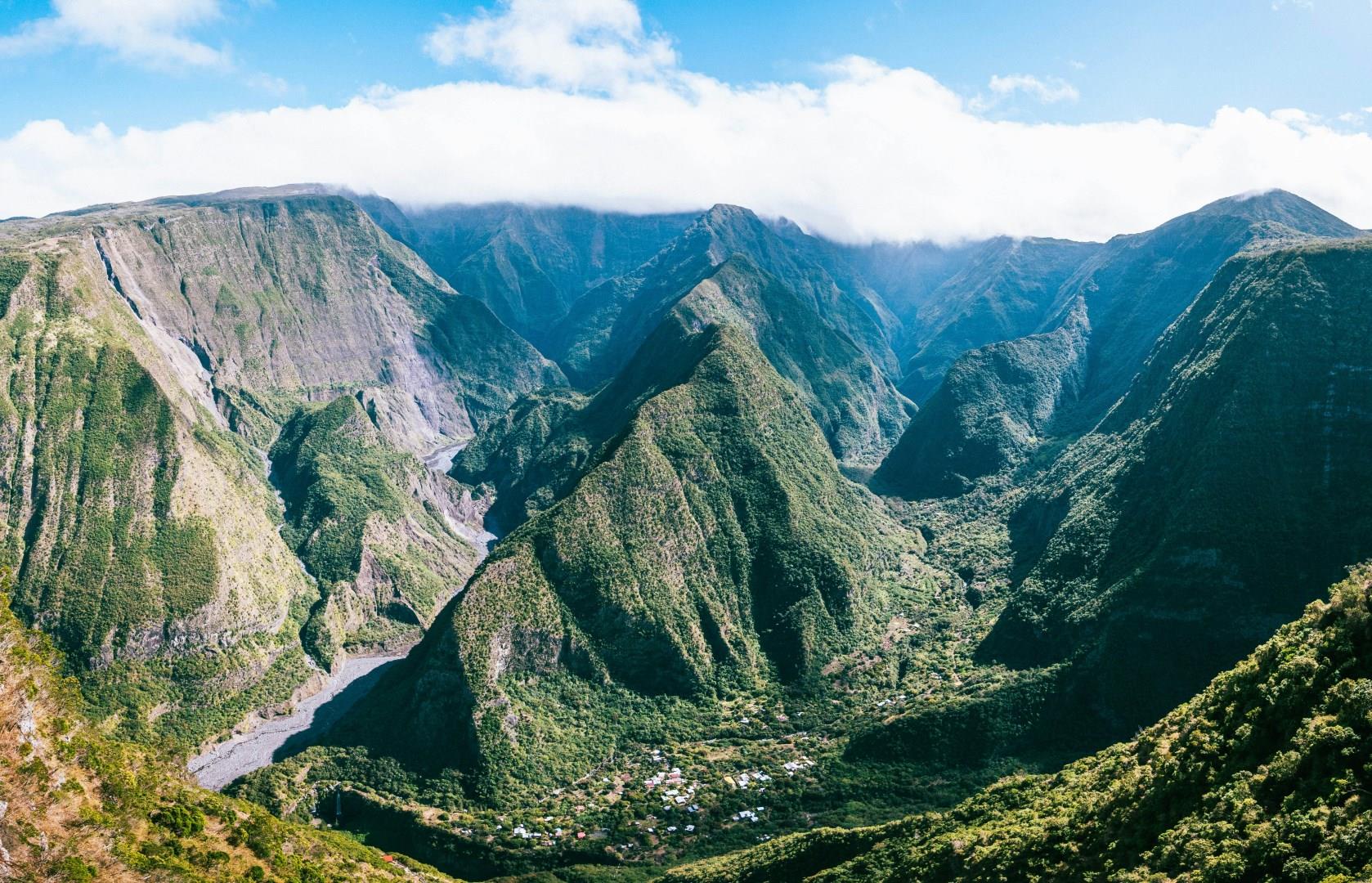
Réunion, a French overseas department in the Indian Ocean, lies east of Madagascar and combines European and Creole influences in a tropical setting. Its volcanic landscapes, lush forests, and coastal towns make it an extraordinary destination for those seeking both culture and nature.
Jurmala
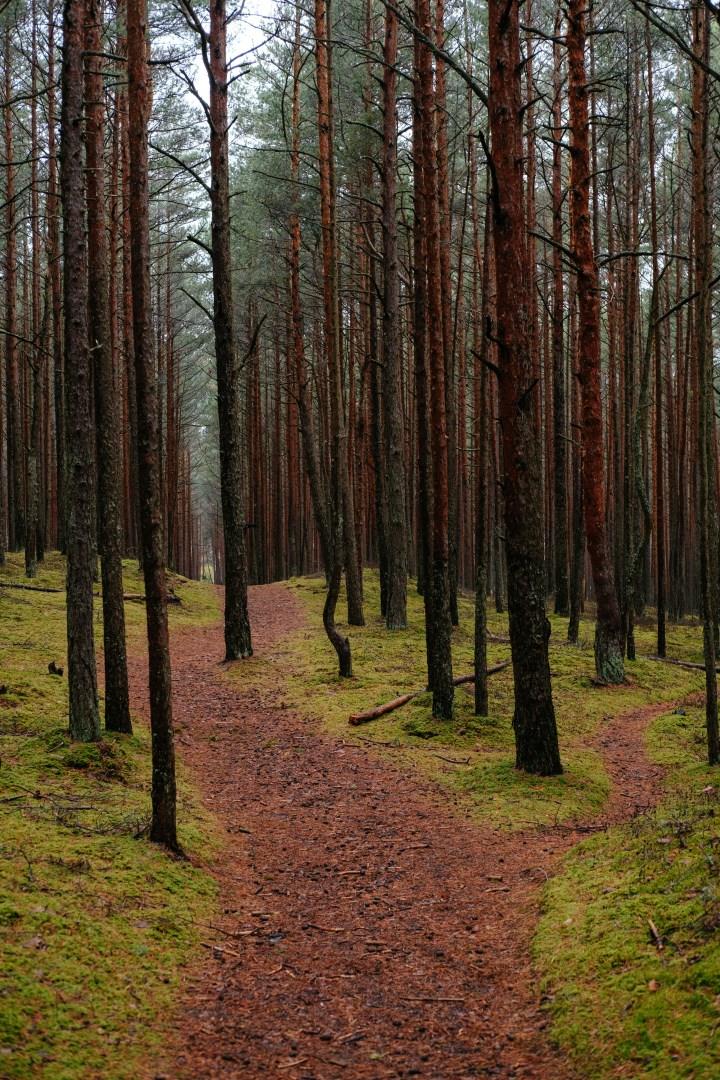
Jūrmala, Latvia’s famed seaside resort, stretches along 33 kilometers of white sandy beaches kissed by the Baltic Sea. Its wooden architecture, featuring colorful villas from the early 20th century, tells the story of its history as a retreat for the well-to-do during the Russian Empire. Visitors strolling the Jomas Street promenade will find a lively atmosphere filled with cafes, boutiques, and galleries, alongside peaceful spots where the sea breeze encourages relaxation.

Kiel
This city is the last stop on one of the busiest artificial waterways in the world, the Kiel Canal. It is an important base for the German Navy and famous for its international sailing event, the "Kieler Woche", an annual sailing event that attracts millions of people around the world.
Lusaka
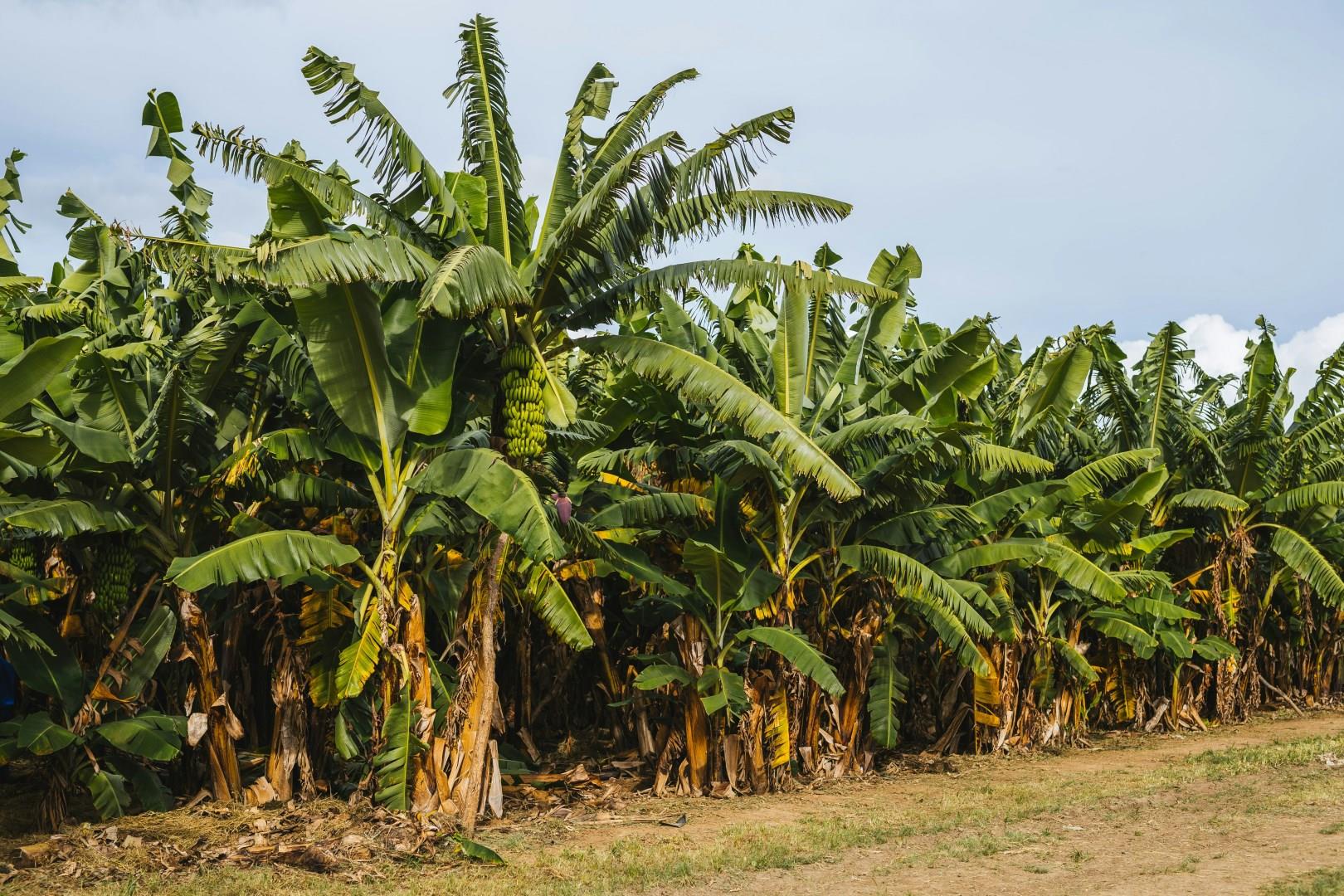
Lusaka, the capital of Zambia, is a city that blends modern energy with authentic African culture. As the country’s largest urban center, it serves as the gateway for travelers exploring Zambia’s natural wonders while also offering its own dynamic experiences.

Poland
Poland offers a layered and often surprising experience shaped by centuries of resilience and creativity. From the cobbled lanes of Kraków’s Old Town to the post-industrial art scenes in Łódź, the country moves comfortably between tradition and reinvention.