New Caledonia
New Caledonia is an archipelago located in the south western part of the Pacific Ocean, and belongs to what is known as Melanesia. The mainland known as the "Grande Terre" is the principal island of New Caledonia and covers an area of 400 kms north to south and 50 kms west to east, with a total surface of 19 000 square meters. It is the third largest island in the South Pacific after New Guinea and New Zealand.
St. Helena
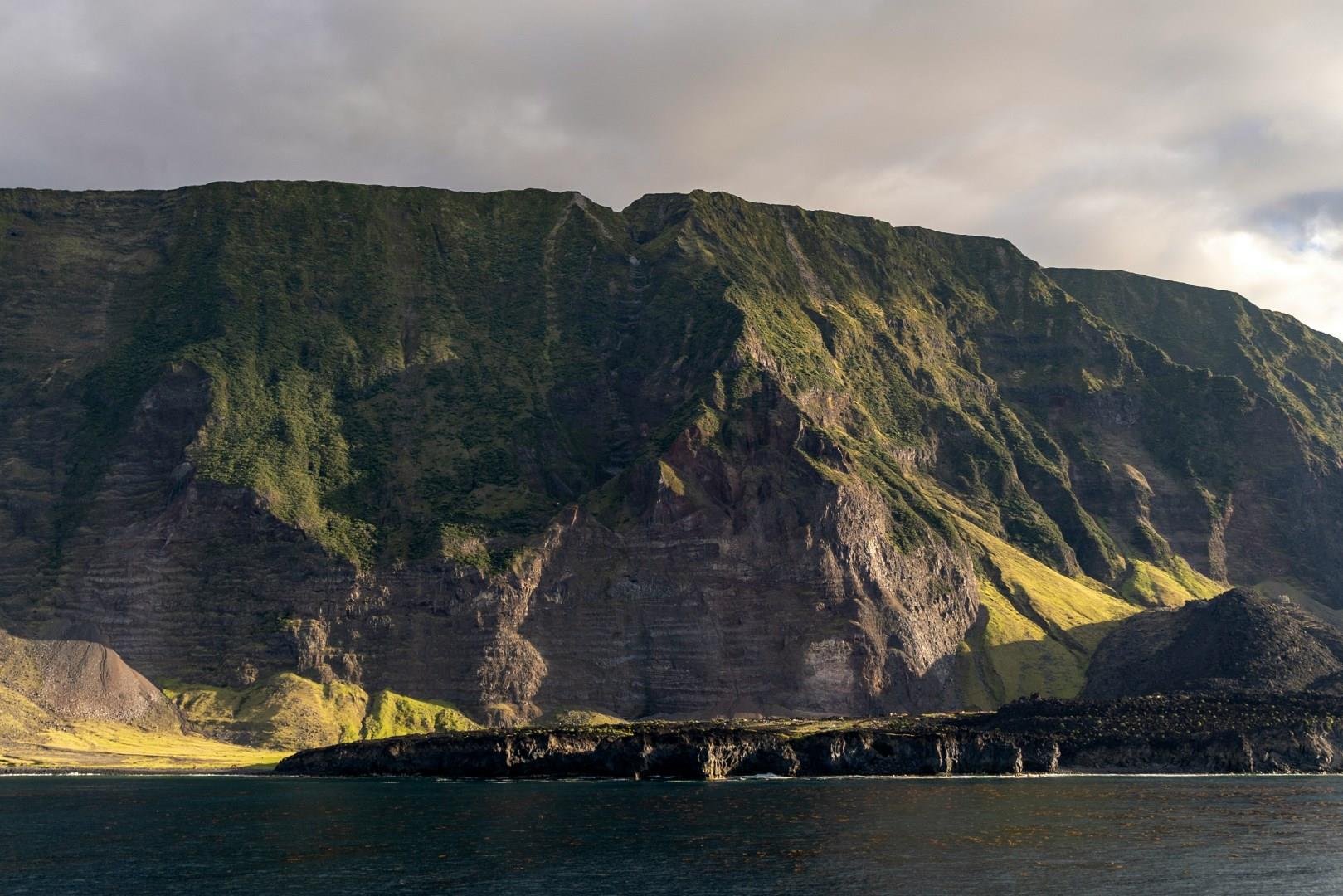
St. Helena is a remote island in the South Atlantic Ocean, known for its dramatic cliffs, volcanic landscapes, and rich history. It is most famous as the place where Napoleon Bonaparte spent his final years in exile, and visitors can explore Longwood House and other historic sites that tell the story of this period.

Hallstatt
Nestled between the serene waters of Lake Hallstatt and the towering Dachstein mountains, Hallstatt, Austria, is a picturesque gem that seems almost too perfect to be real. This UNESCO World Heritage site is renowned for its stunning alpine scenery and charming architecture. Wander through the narrow streets lined with 16th-century houses and experience the timeless beauty that has captivated visitors for centuries.

Castries
Castries, St. Lucia's capital and a busy port city, is an idyllic Caribbean wonderland. Tourists will find craft and fruit markets, photo-ready murals and a general cozy charm here. One must-do activity is getting to the top Morne Fortune (Hill of Good Luck) to drink in the lovely panoramic views. Be sure to visit the museum at Derek Walcott Square, and soak up the sun on Vigie Beach!

Vientiane
Vientiane, the capital of Laos, lies along the banks of the Mekong River and blends a relaxed urban pace with rich cultural heritage. The city’s streets are lined with French colonial buildings, Buddhist temples, and local markets, reflecting its history as both a trading hub and a spiritual center.