

Kom Ombo
Kom Ombo, a hidden gem along the Nile River in southern Egypt, is a destination that seamlessly blends ancient history, captivating architecture, and scenic beauty. This charming town is renowned for the Temple of Kom Ombo, a unique double temple dedicated to two deities: Sobek, the crocodile god, and Horus, the falcon-headed god of the sky.

Luang Prabang
Luang Prabang, the jewel of northern Laos, captivates travelers with its blend of serene spirituality, French colonial charm, and breathtaking natural beauty. This UNESCO World Heritage Site is nestled between the Mekong and Nam Khan rivers, creating a tranquil setting where time seems to slow down. Here, ancient temples with glistening spires, like Wat Xieng Thong, sit alongside quaint colonial-era villas, inviting visitors to explore the harmonious fusion of Lao and French cultures.
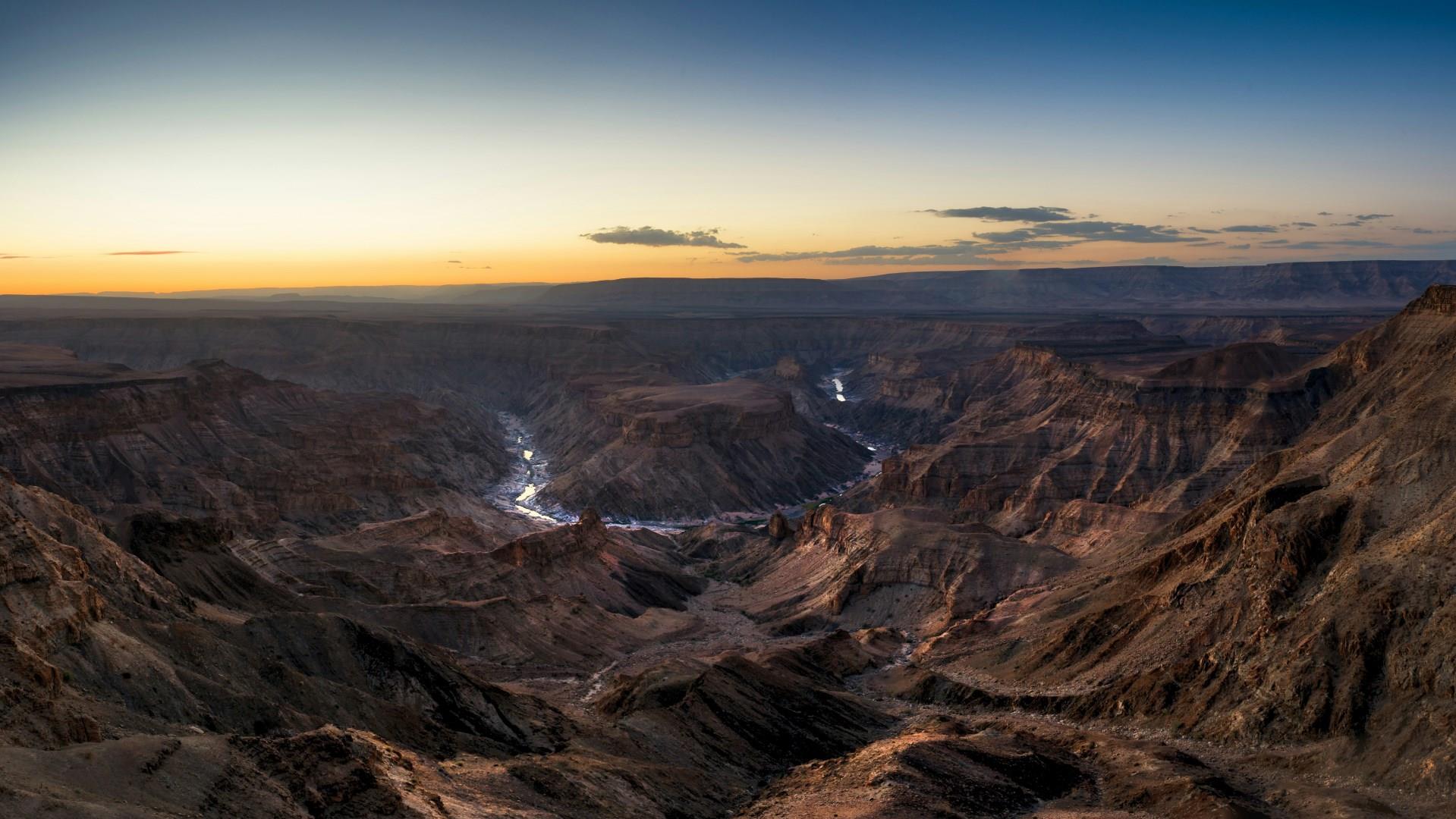
Fish River Canyon
The Fish River Canyon in southern Namibia is one of the planet’s most remarkable landforms, stretching across vast terrain in the Richtersveld Transfrontier Park. It is one of Africa’s largest canyons, carved over millions of years by the Fish River as it etched a deep, twisting gorge into the desert plateau. From high viewpoints like Hell’s Bend, visitors can see layers of rock dropping away to reveal ridges and ravines that seem to go on forever, all under wide, open skies.

Stockholm
As a city located in a Baltic Sea archipelago, it's not surprising that Stockholm has 50 bridges and sightseeing boats moving people between its 14 islands. This contemporary and welcoming capital of Sweden is nonetheless easily navigable by foot. Every district here has a distinct flavor, from the sophisticated Östermalm to the bustling downtown energy of Norrmalm to the delightful Old Town.

Cagliari Sardinia
Cagliari is Sardinia's capital and largest city. Several civilizations have left their imprint here architecturally and culturally. Must-sees include the Museo Archeologico Nazionale di Cagliari, with its Roman and Byzantine treasures, as well as Castello, a medieval quarter situated on a hill above the city. The city is also known for its food and vibrant nightlife.


