

Dominica
Dominica, known as the “Nature Island of the Caribbean,” is a haven for eco-tourists and adventure seekers. Nestled between the French islands of Guadeloupe and Martinique, this lush island boasts a remarkable landscape of volcanic mountains, dense rainforests, and stunning waterfalls. Dominica’s most iconic natural wonder is the Boiling Lake, the second-largest hot spring in the world.

South Georgia
Remote, windswept, and bursting with wildlife, South Georgia is a sub-Antarctic island that surprises nearly everyone who steps ashore. Though uninhabited by civilians, the island hosts a small British research station and welcomes visitors via expedition cruises. What draws people here is not luxury or convenience, but the scale of its wildness.

Cape Verde
Located off the coast of West Africa, Cape Verde is an archipelago that is sure to enchant visitors with its unique blend of African and Portuguese influences. This group of ten volcanic islands boasts dramatic landscapes, from the barren, rugged mountains of Fogo Island to the lush, green hills of Santo Antão. With its stunning landscapes, lively culture, and warm hospitality, Cape Verde offers a wide range of activities for all sorts of travelers.
Alter do Chão
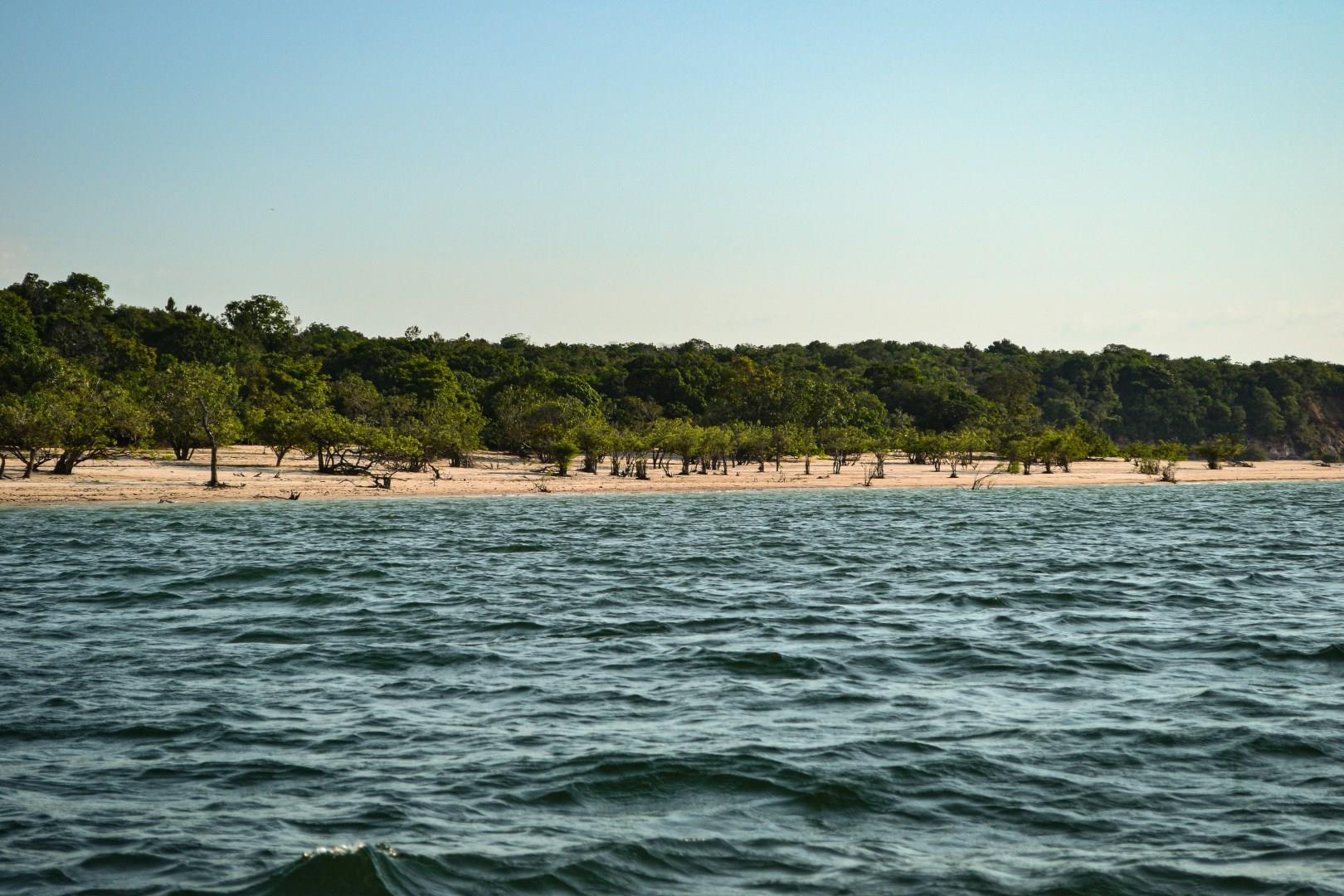
Alter do Chão is a riverside village in the Brazilian state of Pará, on the banks of the clear Tapajós River. Though part of the larger municipality of Santarém, Alter do Chão has its own rhythm and identity, known far beyond Brazil for the white-sand beaches that appear when river levels drop between July and December. One of the most famous spots is Ilha do Amor (Love Island), a sandbar just off the village shore that feels almost like a hidden world of warm water and bright sky.
Billings
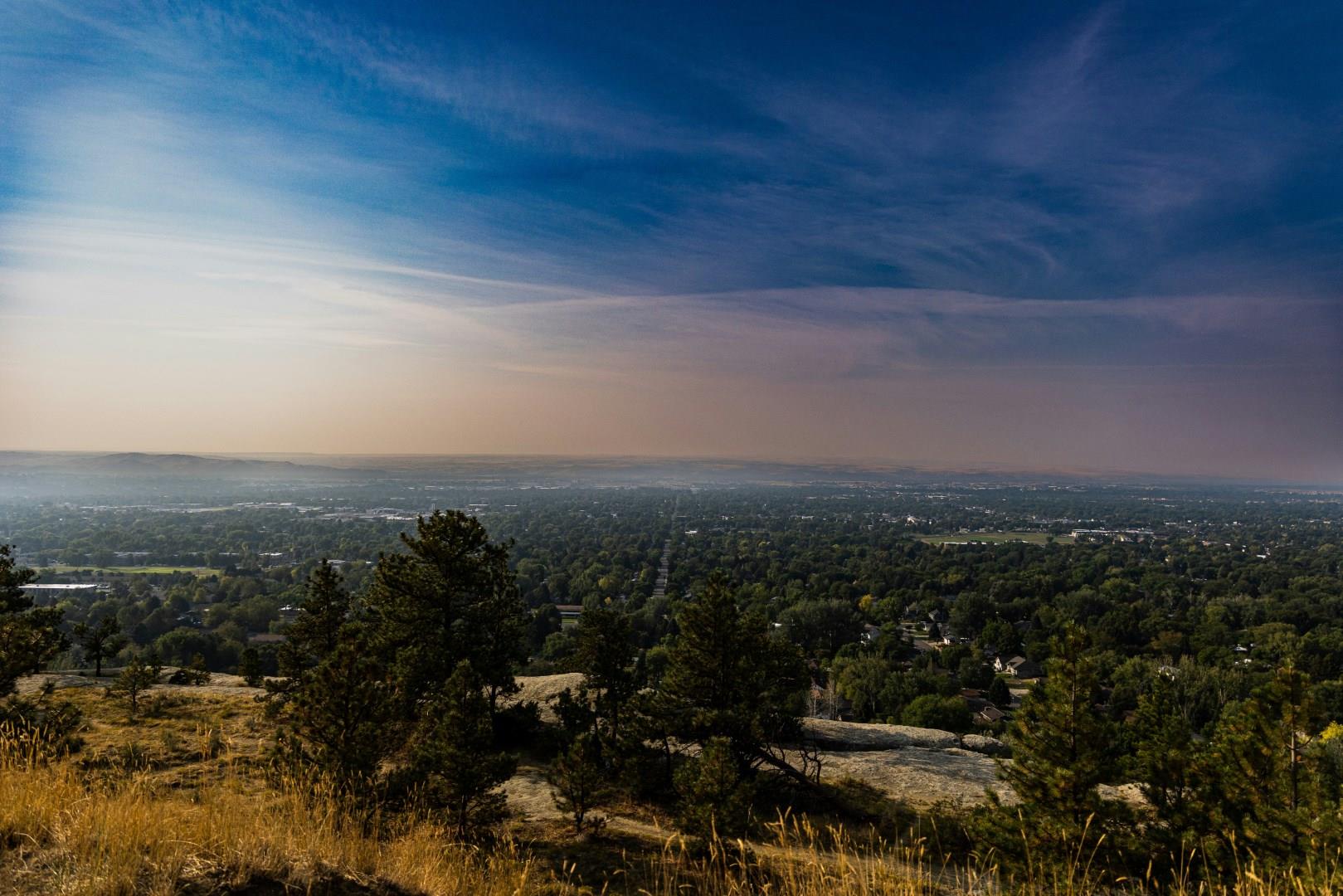
Billings, Montana sits on the edge of the vast plains and at the base of ancient sandstone cliffs known as the Rimrocks. These formations frame the city and provide miles of scenic overlooks, hiking trails, and even fossil beds. From Swords Park, visitors can walk or bike along the paved trail that follows the rim’s edge, offering sweeping views of downtown, the Yellowstone River, and distant snowcapped peaks.


