Monterey
Monterey, California, is a coastal gem with a rich maritime history and stunning natural beauty. Located on the rugged Pacific coastline, this charming city is renowned for its world-class aquarium, the Monterey Bay Aquarium, which offers visitors a chance to explore the vibrant marine life of the region. Monterey's historic Cannery Row, once the center of the sardine-packing industry, has been transformed into a lively waterfront area brimming with shops, restaurants, and cultural attractions.
Portoferraio
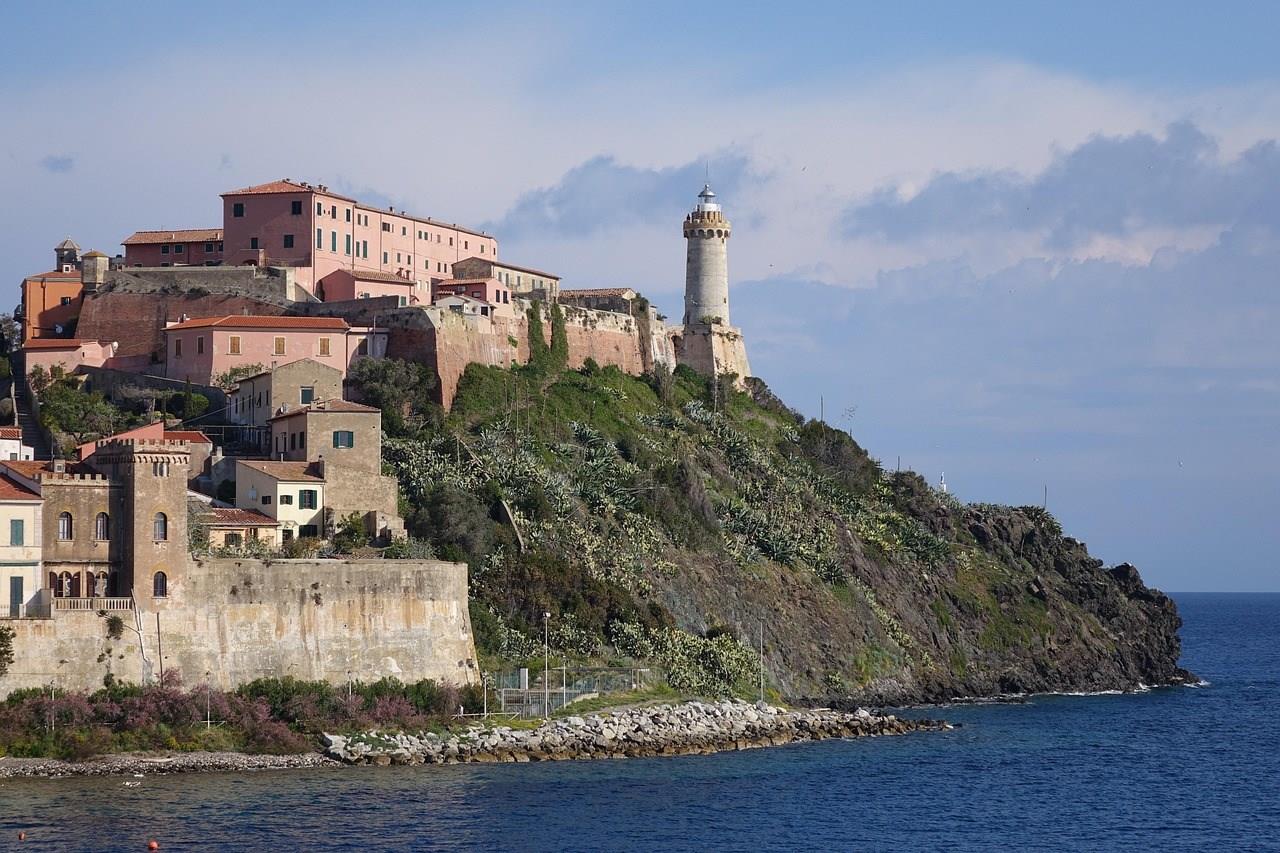
A popular cruise line port, Portoferraio is a spectacular spot on the Italian coast and principal town of Elba Island.

Bordeaux
Bordeaux is ready for its close-up! After years of improvements, modern public transportation is in place and the city is gleaming after a wave of restorations. When visiting this lovely destination, be sure to walk across the Garonne River-spanning Stone Bridge (17 arches in all!) and see Place des Quinconces, France's grandest public square.
Lome
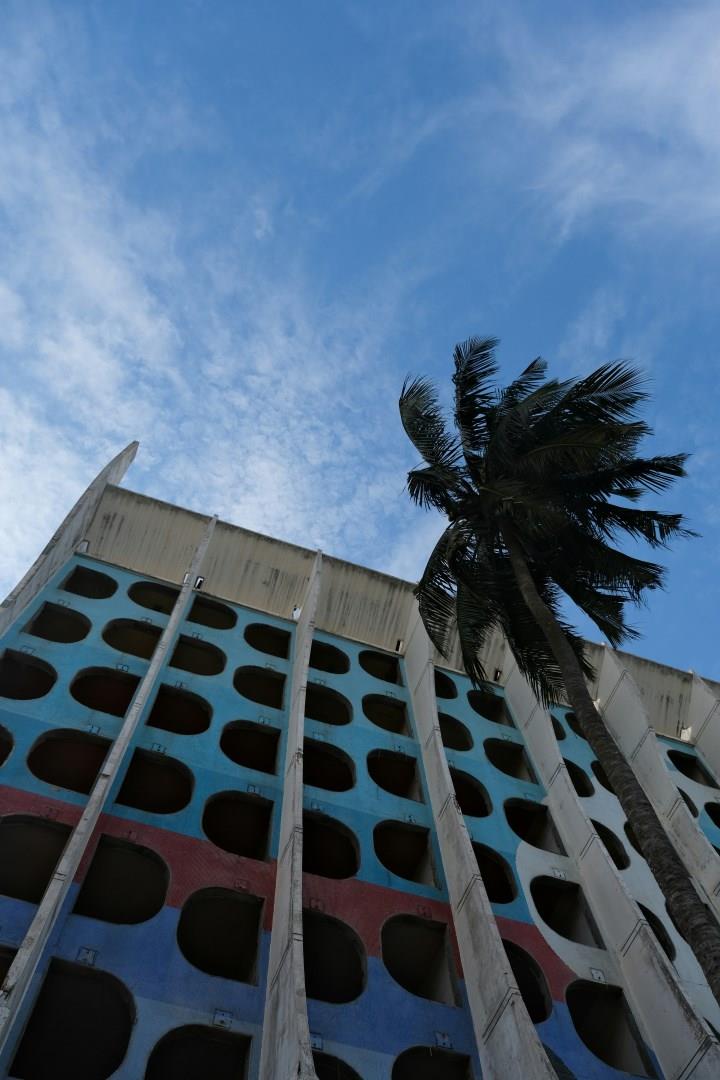
Lomé, the capital city of Togo, sits along the Gulf of Guinea and serves as both the political and cultural heart of the country. Lomé’s coastline features beaches where locals gather and where visitors can enjoy views of the Atlantic Ocean.

Lofoten
Lofoten, a breathtaking archipelago in northern Norway, is a destination that captures the heart of every traveler who sets foot on its dramatic shores. Renowned for its towering peaks, pristine beaches, and quaint fishing villages, Lofoten offers an unparalleled experience for those seeking the beauty of the Arctic wilderness.