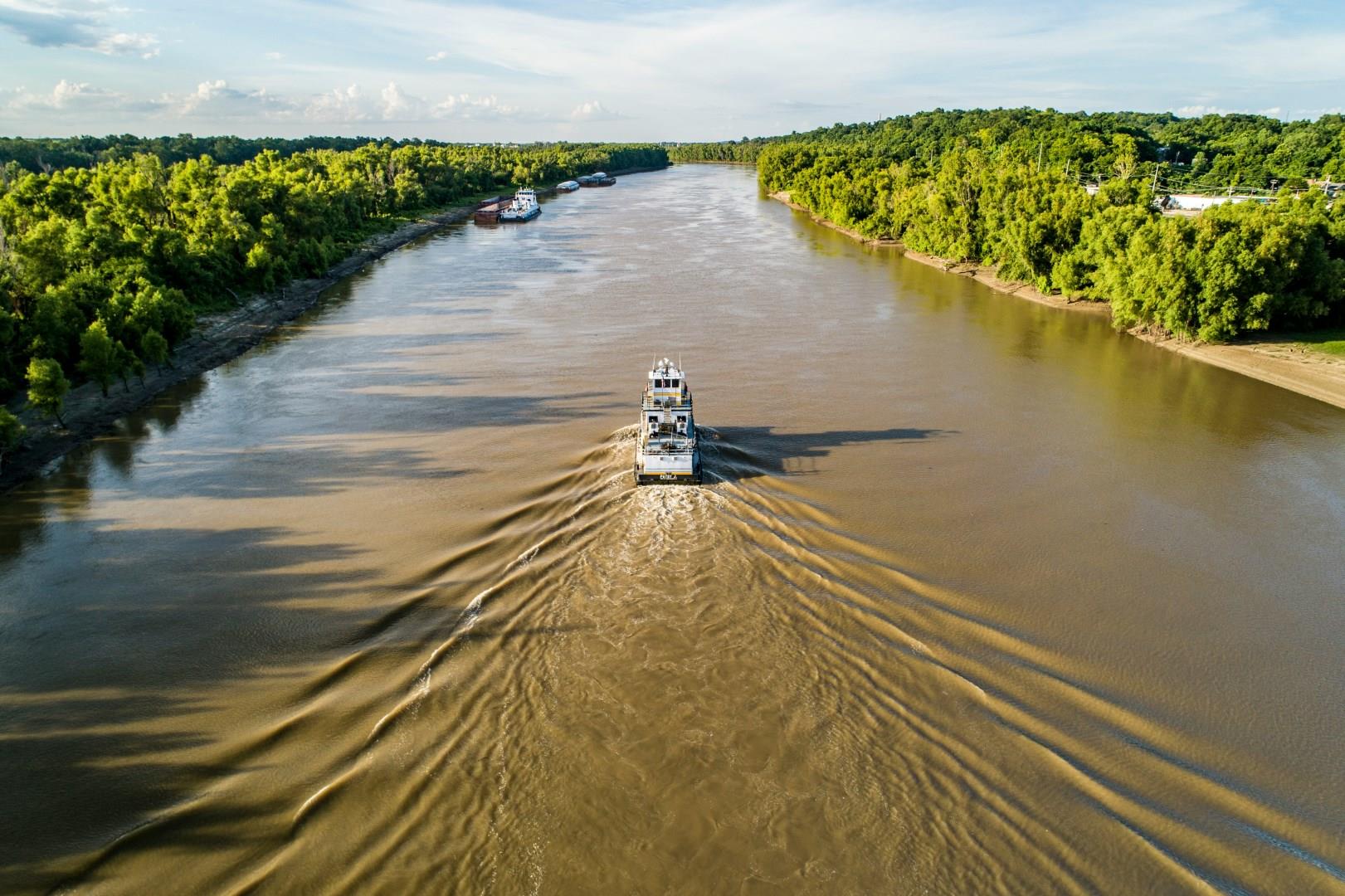
Vicksburg
Vicksburg rises above the Mississippi River with stories etched into every street. This historic river town played a pivotal role in the Civil War, and today visitors can trace those events at the Vicksburg National Military Park. Beyond its military legacy, Vicksburg has a rich cultural rhythm shaped by its music, architecture, and river trade.

Costa Maya
This small cruise port is located in Mexico's Yucatan peninsula south of Playa del Carmen, near Belize. It is famous for Chacchoben, a breathtaking set of Mayan ruins. The port has a new and modern shopping mall and the central plaza has saltwater pools and 'swim-up' style bars for tourists to enjoy.

Brighton
Brighton, a vibrant seaside city on England's southern coast, has long been a favorite getaway for those seeking a mix of culture, history, and the sea. Its most famous landmark, the Royal Pavilion, is an architectural wonder with its exotic, Indian-inspired domes and minarets. Originally built for King George IV as a lavish seaside retreat, the palace today offers visitors a glimpse into royal opulence with its richly decorated interiors and sprawling gardens.

South Dakota
South Dakota, known for its striking contrasts, from sacred Indigenous landmarks to dramatic prairie landscapes, offers travelers a rare chance to experience stories etched in both stone and living tradition. Mount Rushmore may be the most photographed site, but just 17 miles away, the Crazy Horse Memorial tells a deeper story. In the west, the Black Hills are full of geological surprises and sacred sites. Custer State Park offers scenic drives where herds of bison often stop traffic.
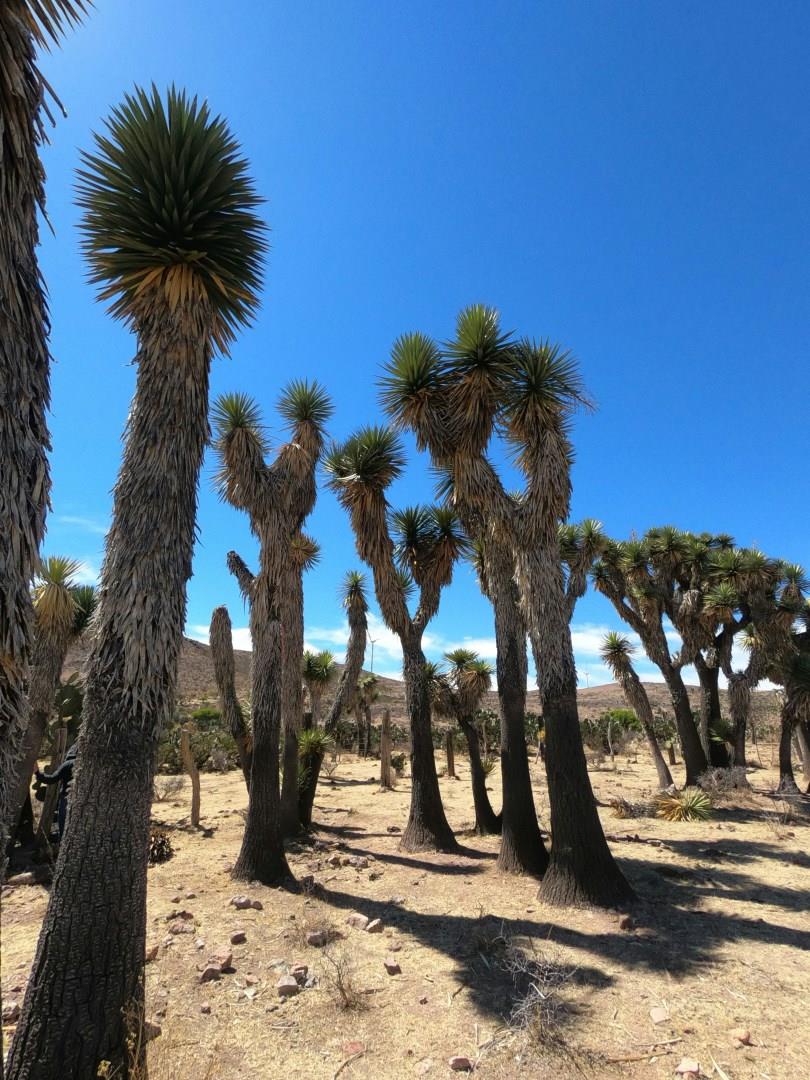
Zacatecas
Zacatecas, built into the slopes of a narrow ravine in north-central Mexico, is a city with a deep mining past and a striking skyline. The historic center, a UNESCO World Heritage Site, is known for its pink cantera stone buildings, narrow alleys, and impressive baroque facades. The Cathedral Basilica of Zacatecas, completed in 1752, stands as one of the most detailed examples of Mexican baroque architecture, with hundreds of carved figures covering its sandstone exterior.