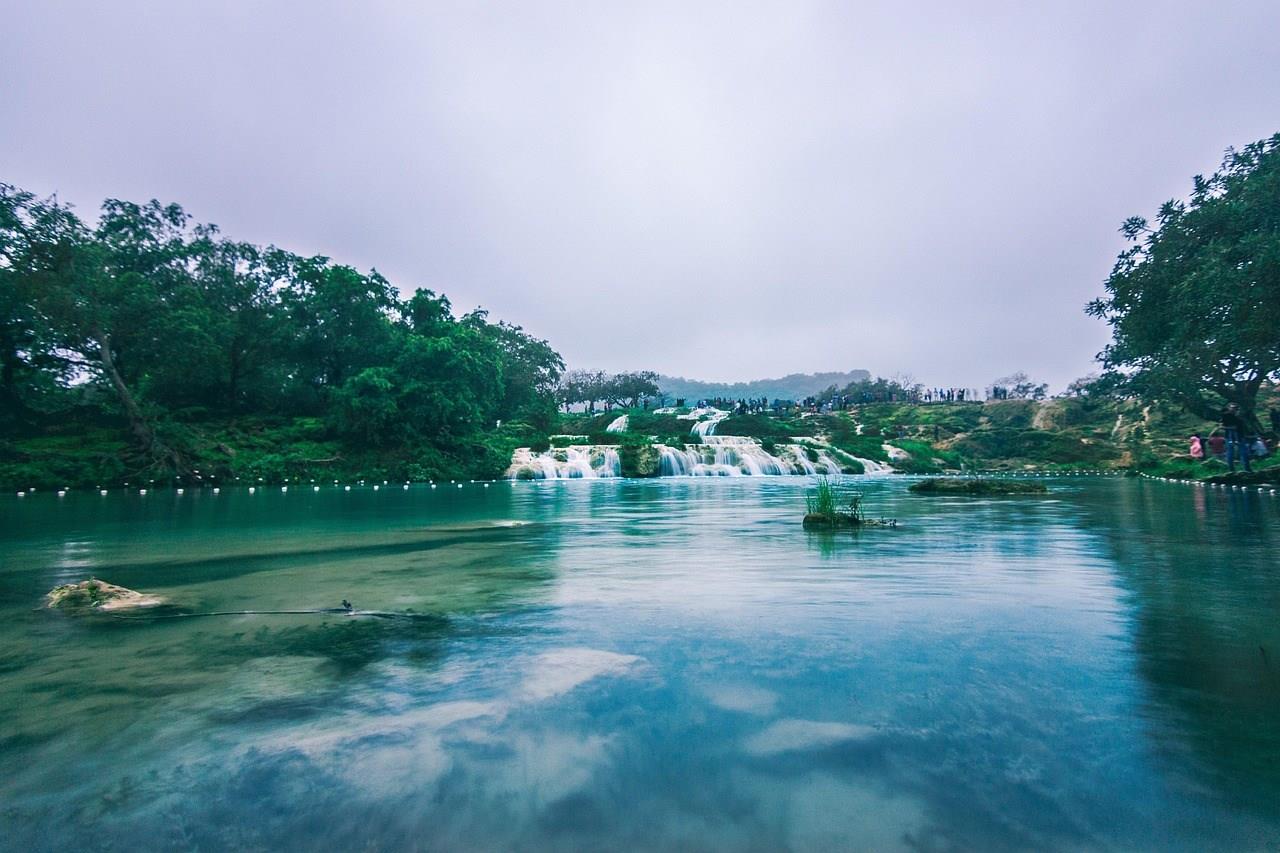
Salalah
Salalah stands out with its rare blend of desert and tropical appeal. Unlike much of the Arabian Peninsula, this coastal city is transformed by the seasonal Khareef (monsoon), turning the landscape lush and green between June and September.

Philippines
The Philippines is an archipelago of more than 7,600 islands in Southeast Asia, known for its striking coastlines, tropical forests, and vibrant cultural diversity.

Glenwood Springs
Glenwood Springs, Colorado, is a picturesque resort town famous for its geothermal springs. Nestled in a scenic canyon of the Rocky Mountains where the Colorado and Roaring Fork Rivers meet, Glenwood Springs will enthrall you with its natural beauty, including towering red sandstone cliffs, snow-capped mountains, and lush forests.

Taha'a
Sharing a common lagoon with Raiatean and accessible only by boat, Taha'a produces about 80% of all vanilla in French Polynesia. Taha'a is the only island in the Society Islands that can be completely circled by boat inside the protected lagoon.
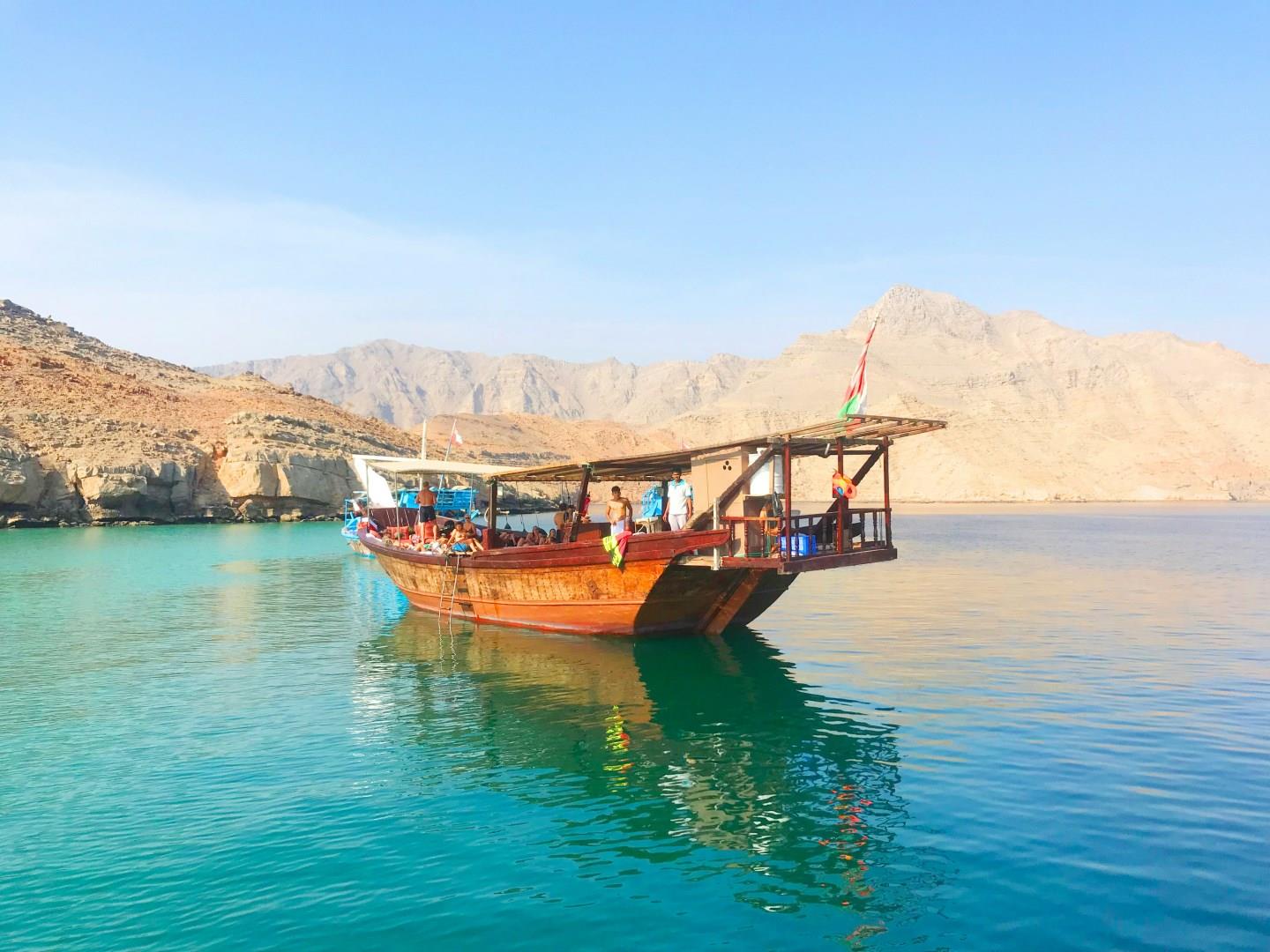
Khasab
Khasab stands at the edge of Oman’s Musandam Peninsula, where rocky inlets carve into the land like desert fjords and earning it the nickname "Norway of Arabia." A short dhow ride uncovers soaring cliffs and narrow waterways, often mirrored by pods of dolphins gliding beside the wooden vessel. These traditional dhows, used for centuries by traders, now carry visitors into those coastal arms for snorkeling, swimming, and quiet reflection.