Bonaire
There's plenty to explore in this vibrant Caribbean paradise. Visit one of the island's many beaches, including Bachelor's Beach, Te Amo Beach, and Sorobon Beach, take a stroll through the Bonaire Arts and Crafts Market, or visit Washington-Slagbaai National Park, where you'll likely catch a glimpse of many of the island's native birds and reptiles.

Viñales
Nestled in the lush landscapes of western Cuba, Viñales offers an enchanting escape into a world where time seems to slow down amidst breathtaking natural beauty. Renowned for its striking limestone formations, known as mogotes, the Viñales Valley is a UNESCO World Heritage Site and a paradise for nature enthusiasts. The valley's dramatic scenery provides an ideal backdrop for hiking, horseback riding, and exploring underground caves like the Cueva del Indio.

Hachijo Jima Island
Whether exploring volcanic trails or relaxing in seaside hot springs, Hachijo Jima provides an unforgettable island experience that feels worlds away from Japan’s major cities.
Spello
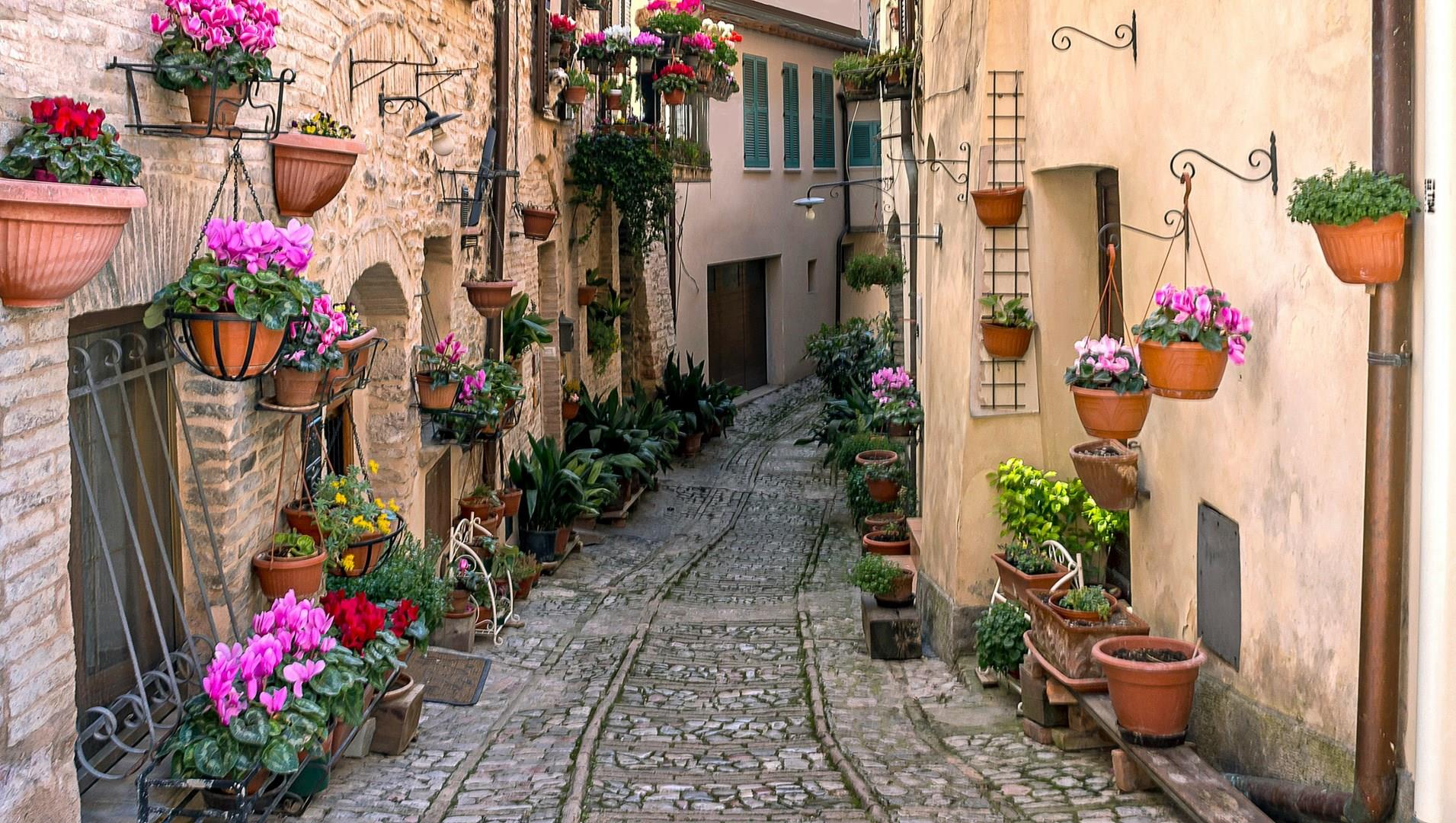
Spello sits high on the slopes of Mount Subasio in the heart of Umbria, where visitors step into a place shaped by centuries of history. Each year, Spello’s streets become a living canvas during the Infiorate di Spello, a long-standing celebration tied to Corpus Christi. Residents work through the night before the feast to lay flower petals along the town’s main thoroughfares, creating patterns and images that stretch for over a mile.

Middle East
The Middle East offers an extraordinary mix of history, culture, and natural beauty. Whether uncovering its ancient mysteries, indulging in its delicious cuisine, or experiencing its warm hospitality, travelers are sure to create lasting memories in this remarkable part of the world.