Grand Rapids
Grand Rapids sits along the Grand River in western Michigan, shaped by industry, reform, and a strong civic culture.

Ålesund
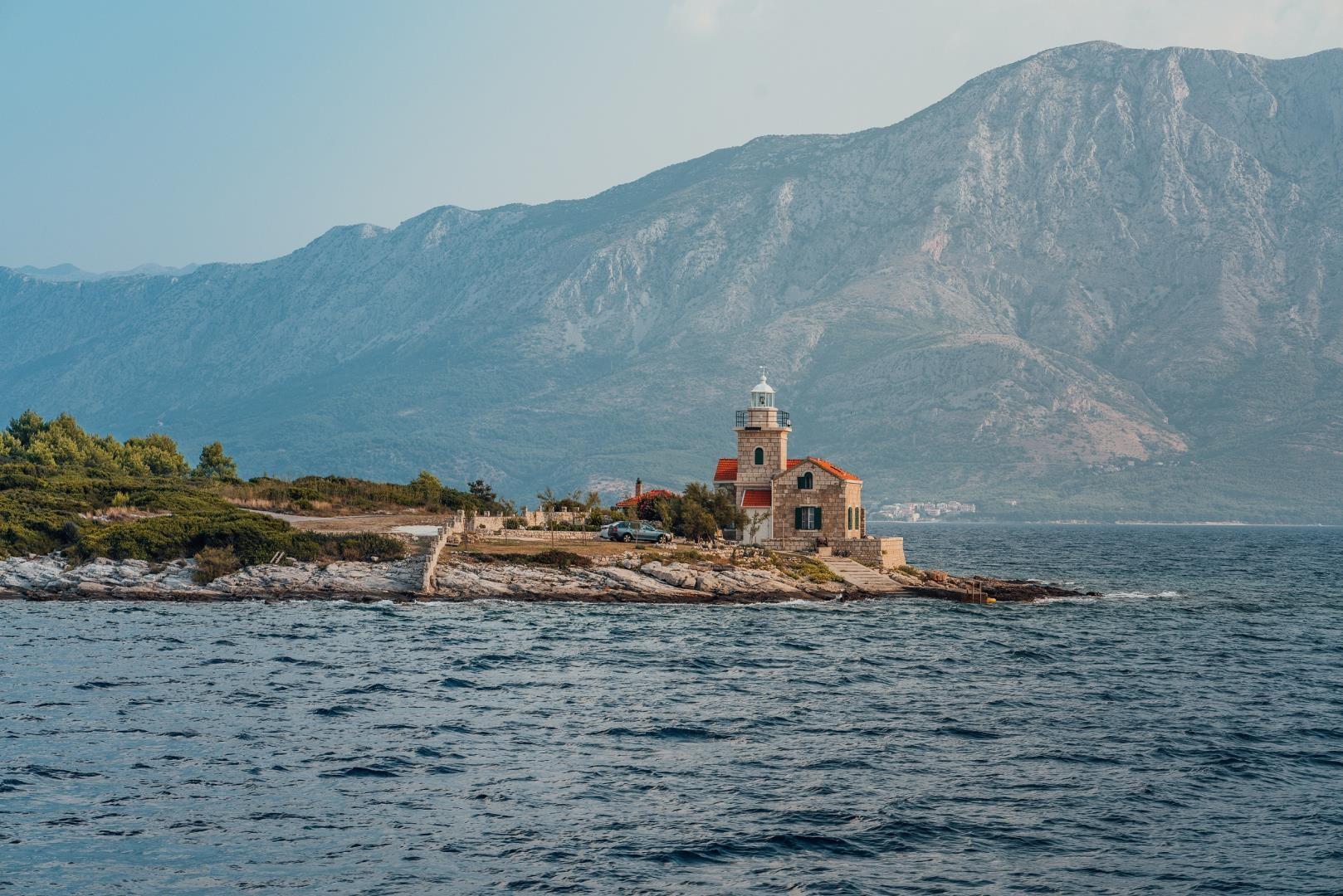
Bright red Molja Lighthouse beckons you to explore Alesund, the tiny seaside town along the western fjords of Norway. A popular destination for Norwegian cruises, this coastal jewel will charm you with a colorful harbor, verdant natural beauty, and fresh seafood.

Cape Town
Cape Town, located at the southern tip of South Africa, is one of the world’s most striking coastal cities. Towering over it is Table Mountain, a flat-topped landmark that can be reached by cable car or on foot, offering sweeping views of the city, ocean, and beyond.

Klaipeda
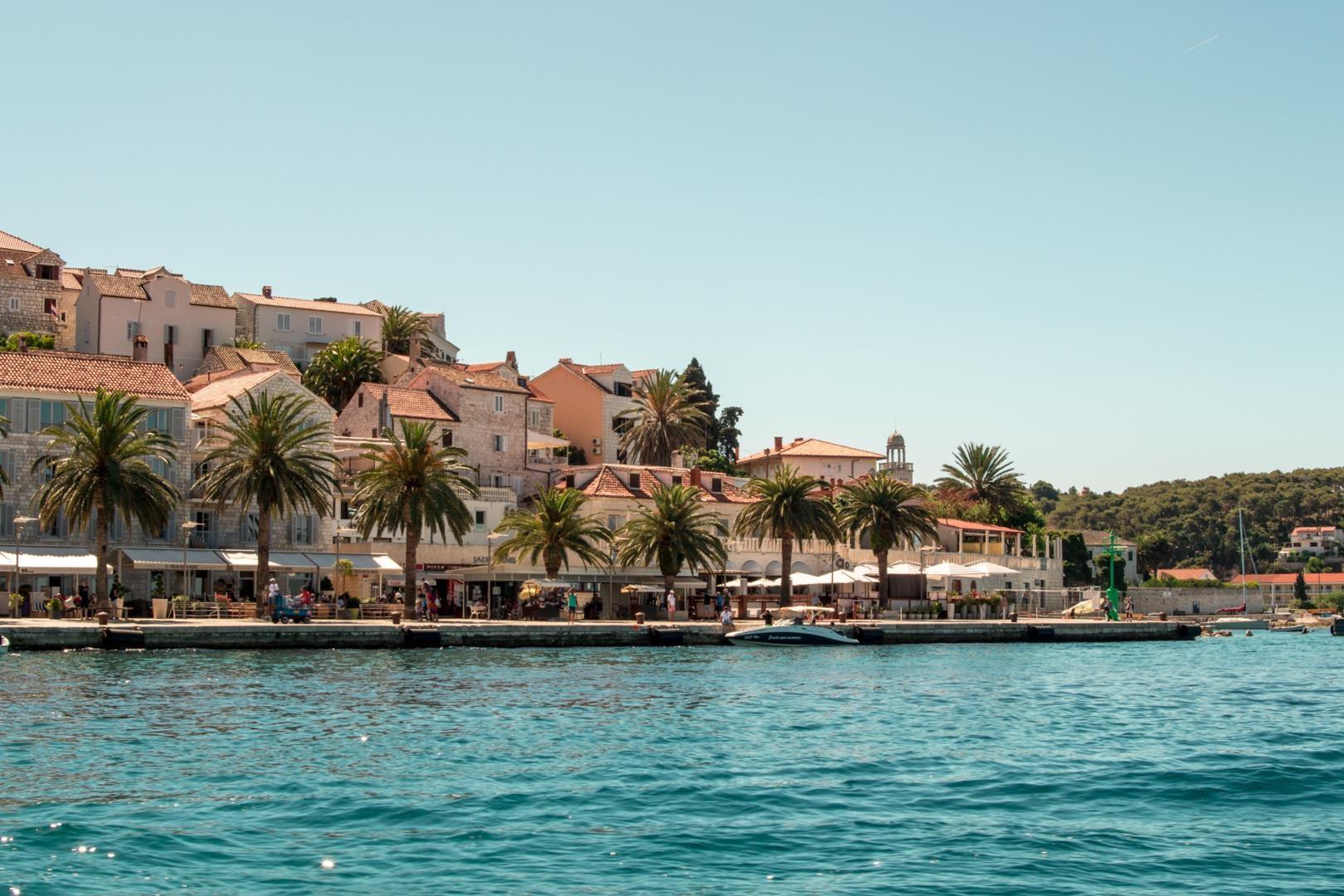
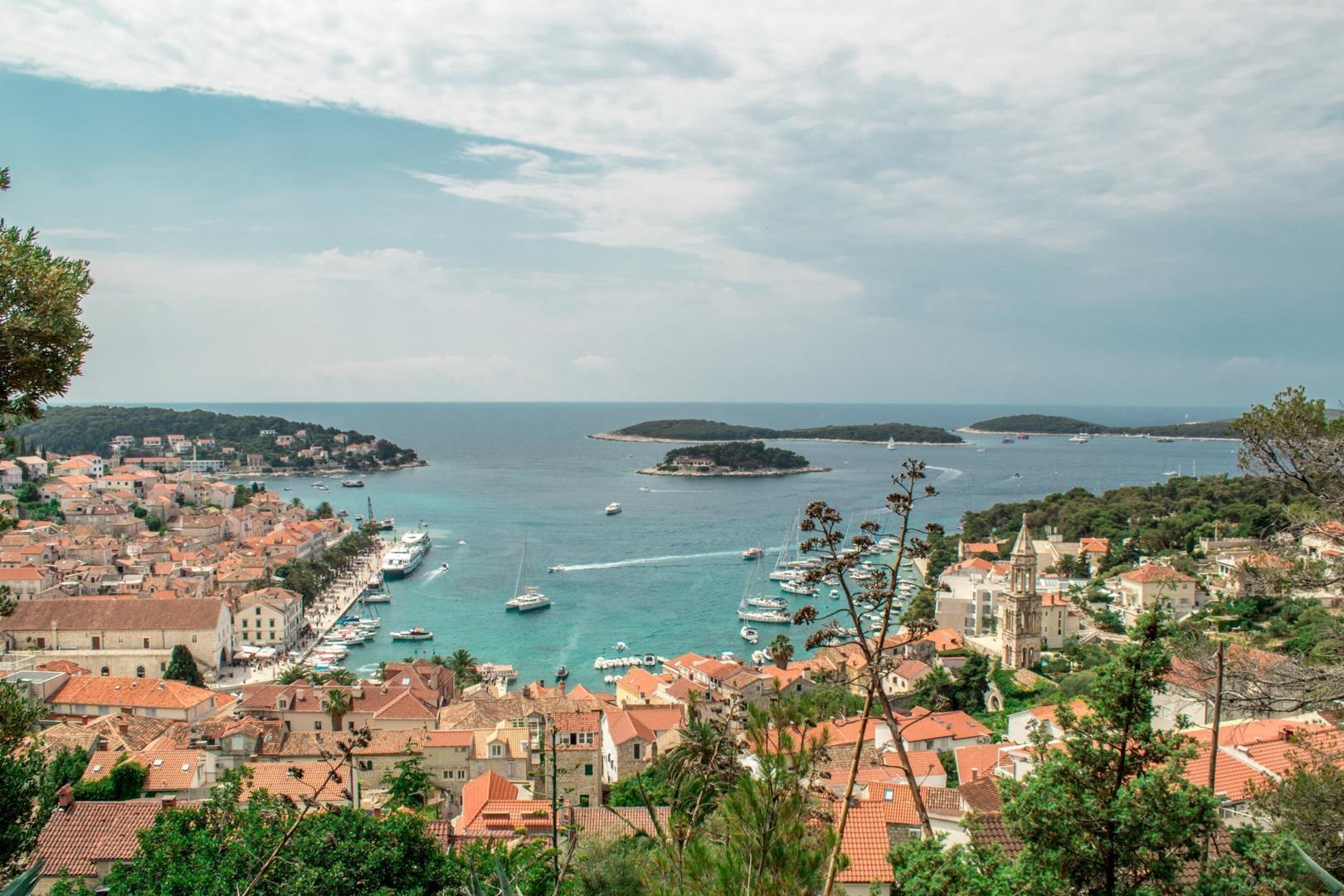
Klaipeda, Lithuania’s only port city, is a place where history, nature, and the sea come together. Located on the coast of the Baltic Sea, this charming city has a unique old town filled with cobblestone streets.
Huahine Island
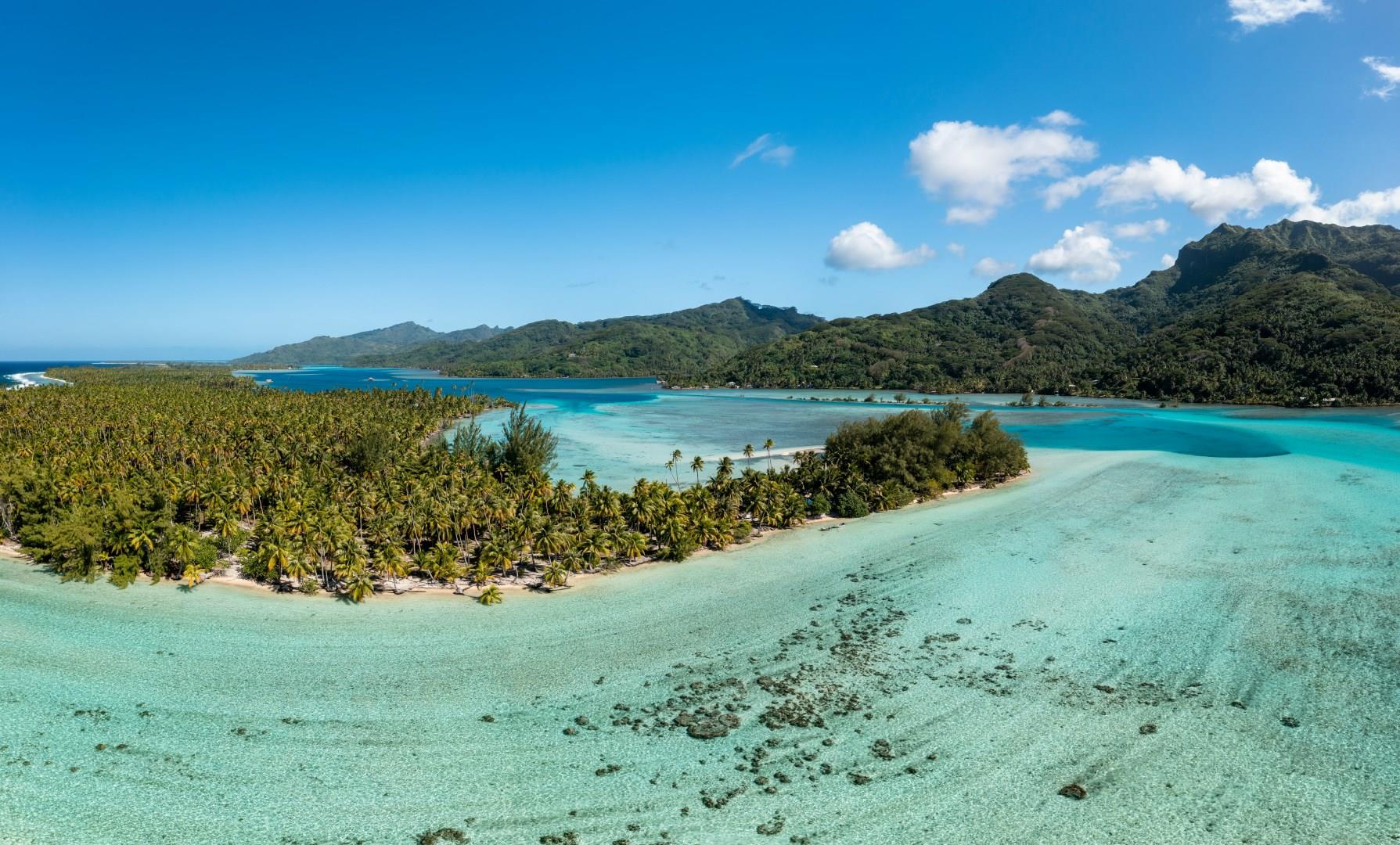
Huahine Island, a gem in French Polynesia, invites travelers to experience a tranquil paradise infused with cultural richness and natural splendor. Often referred to as the "Garden of Eden," this lush island is renowned for its stunning landscapes and serene ambiance. With its dramatic volcanic peaks, crystal-clear lagoons, and pristine beaches, Huahine offers a perfect escape for those seeking both adventure and relaxation.