

Xi'an
Xi’an, located in central China’s Shaanxi Province, served as the starting point of the ancient Silk Road and was the capital of 13 imperial dynasties. Its long history is most famously represented by the Terracotta Army, an underground army of life-sized warriors discovered in 1974. Each figure has distinct facial features, hairstyles, and armor, designed to protect Emperor Qin Shi Huang in the afterlife.

Gothenburg
Gothenburg, Sweden’s vibrant west coast gem, offers a perfect blend of maritime charm, innovative design, and sustainable living. Known for its picturesque canals, cobblestone streets, and classic Nordic architecture, Gothenburg invites visitors to explore its rich history and modern flair. The city’s heart is anchored by the famous Kungsportsavenyen (Avenyn), a grand boulevard lined with cafes, boutiques, and cultural landmarks like the Gothenburg Museum of Art.

Serbia
Serbia is a country where centuries-old monasteries sit just a short drive from lively cities, and where the past is never far from daily life. In Belgrade, the capital, Kalemegdan Fortress offers panoramic views where the Danube meets the Sava River. This fortress has witnessed more than 100 battles and been rebuilt many times over two millennia. Within its walls are Roman ruins, an open-air military museum, and quiet park paths perfect for wandering between centuries of layered history.
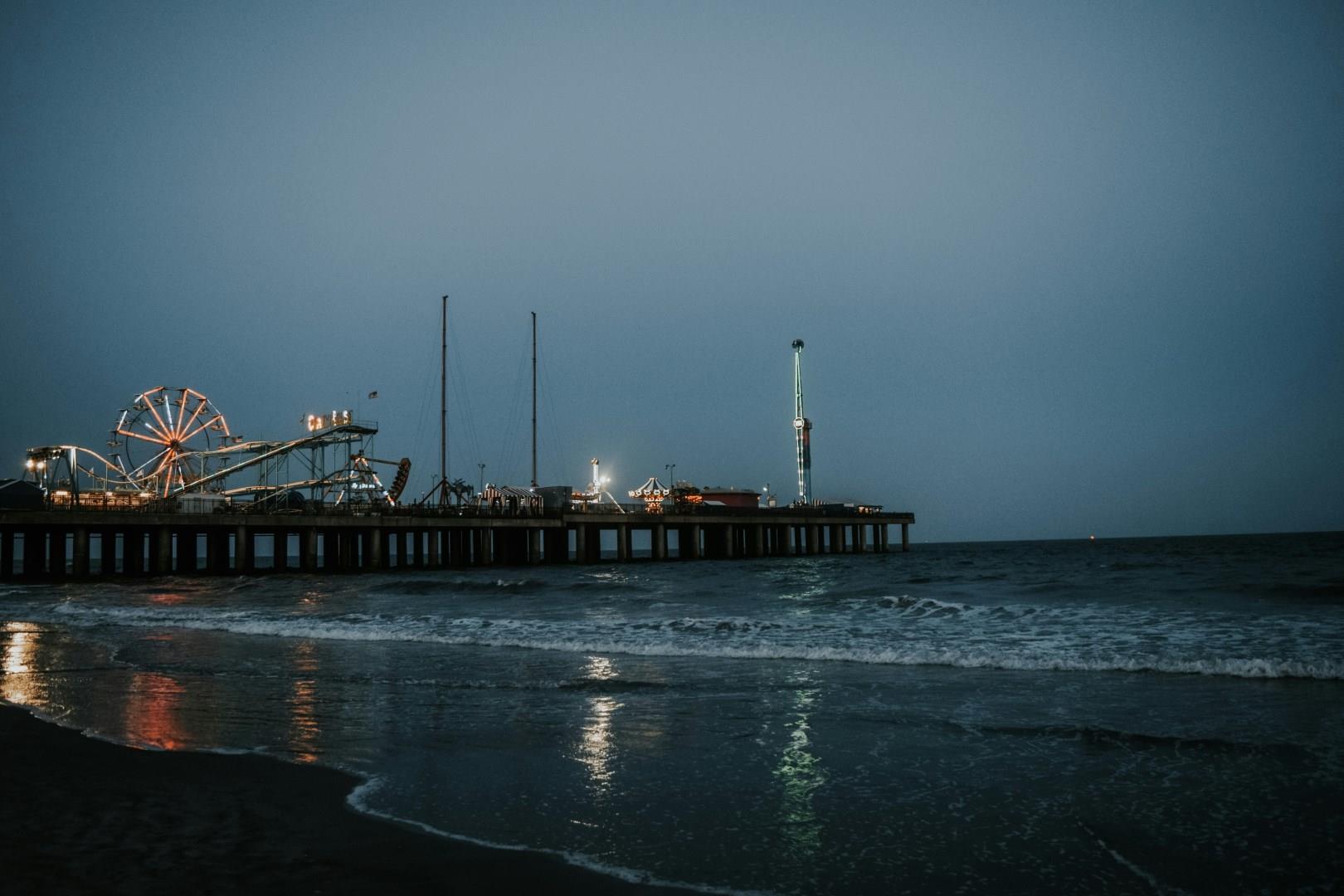
Atlantic City
Atlantic City, New Jersey is more than bright casinos and lively boardwalk, it’s a coastal city with stories stretching back over 150 years. Once a fashionable 19th-century resort town, Atlantic City introduced the first boardwalk in the United States in 1870. Today, it remains the city’s centerpiece, stretching over 5 miles along the beach, lined with shops, arcades, and a mix of vintage charm and modern attractions.
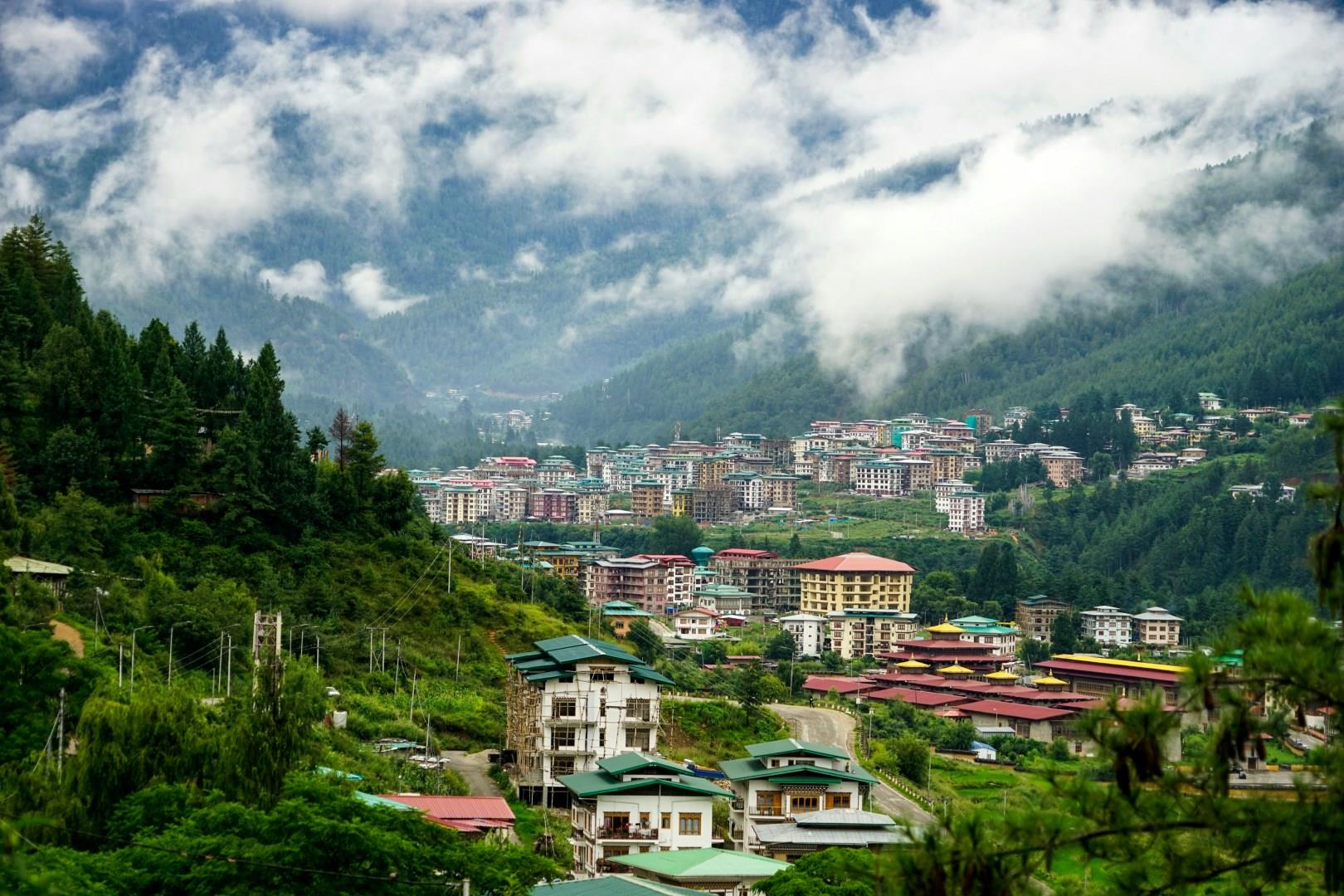
Thimpu
Thimphu, the capital of Bhutan, is a city where tradition and modern life meet in unexpected ways. Streets are lined with traditional Bhutanese architecture, colorful prayer flags, and shops selling handicrafts, while government offices and modern facilities operate alongside centuries-old temples.


