

Stornoway
This charming town is the perfect place to immerse yourself in Scottish Gaelic culture, music, and history, making it a popular port city for visitors and a great starting point for exploring the rest of the archipelago.
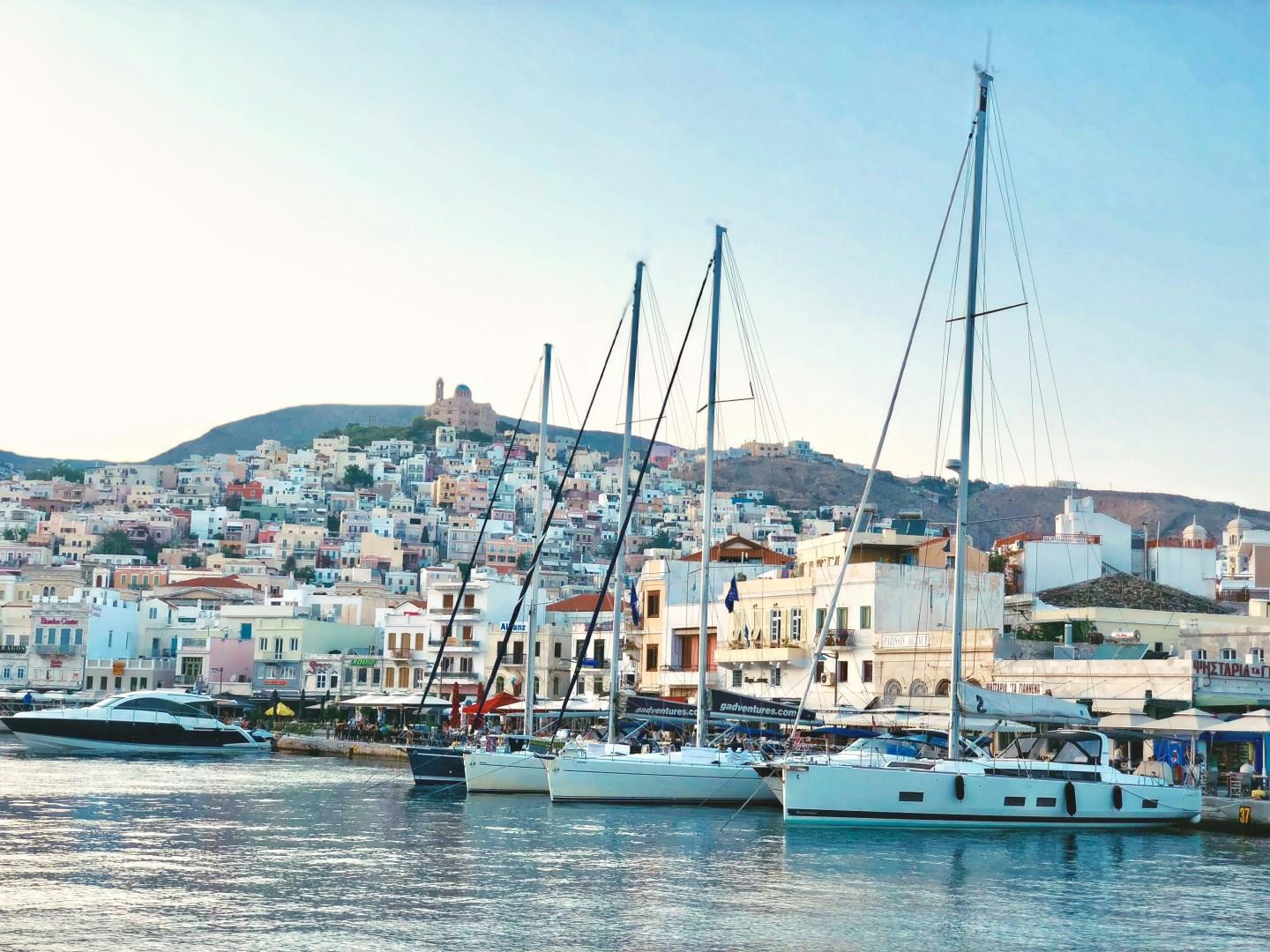
Syros
Syros, the capital of the Cyclades, stands apart from its island neighbors with its blend of neoclassical architecture, Orthodox and Catholic traditions, and year-round local life. Ermoupoli, the main town, was once a thriving 19th-century port and still displays its legacy through grand mansions, marble-paved squares, and the imposing Apollo Theater which was designed by an Italian architect and often referred to as a miniature La Scala.

Santa Monica
Santa Monica, California, a gem on the Pacific coast, offers a quintessential Southern California experience. The city is renowned for its iconic Santa Monica Pier, which features an amusement park, aquarium, and family-friendly dining. A ride on the historic Ferris wheel provides stunning ocean views and a sense of nostalgia.

Nelson Lakes National Park
Nestled in the heart of New Zealand's South Island, Nelson Lakes National Park is a paradise for nature enthusiasts and adventure seekers alike. This breathtaking park is renowned for its stunning lakes, dense beech forests, and rugged mountains. The twin lakes, Rotoiti and Rotorua, are the park's crown jewels, offering crystal-clear waters framed by lush greenery. Visitors can explore these serene lakes by taking a scenic boat ride or embarking on a picturesque hike along their shores.
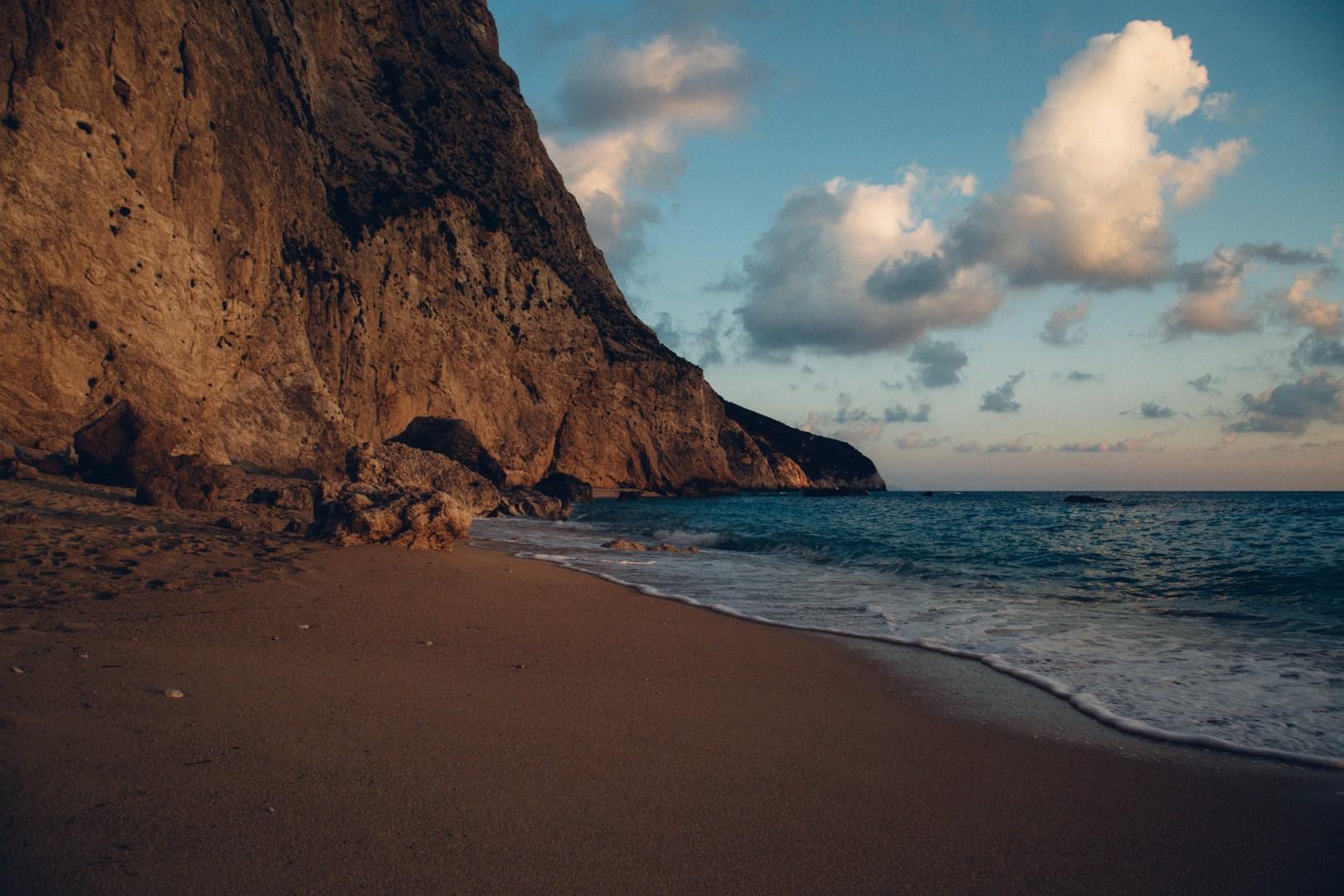
Lefkada
Lefkada, an island in the Ionian Sea, is renowned for its stunning natural beauty and vibrant local culture. Connected to the mainland by a bridge, this Greek island offers a unique blend of sandy beaches, lush landscapes, and charming towns. Visitors are often drawn to Lefkada's world-famous beaches, such as Porto Katsiki and Egremni, which boast crystal-clear waters and dramatic cliffs. These beaches are perfect for sunbathing, swimming, and water sports, making Lefkada a haven for beach lover


