
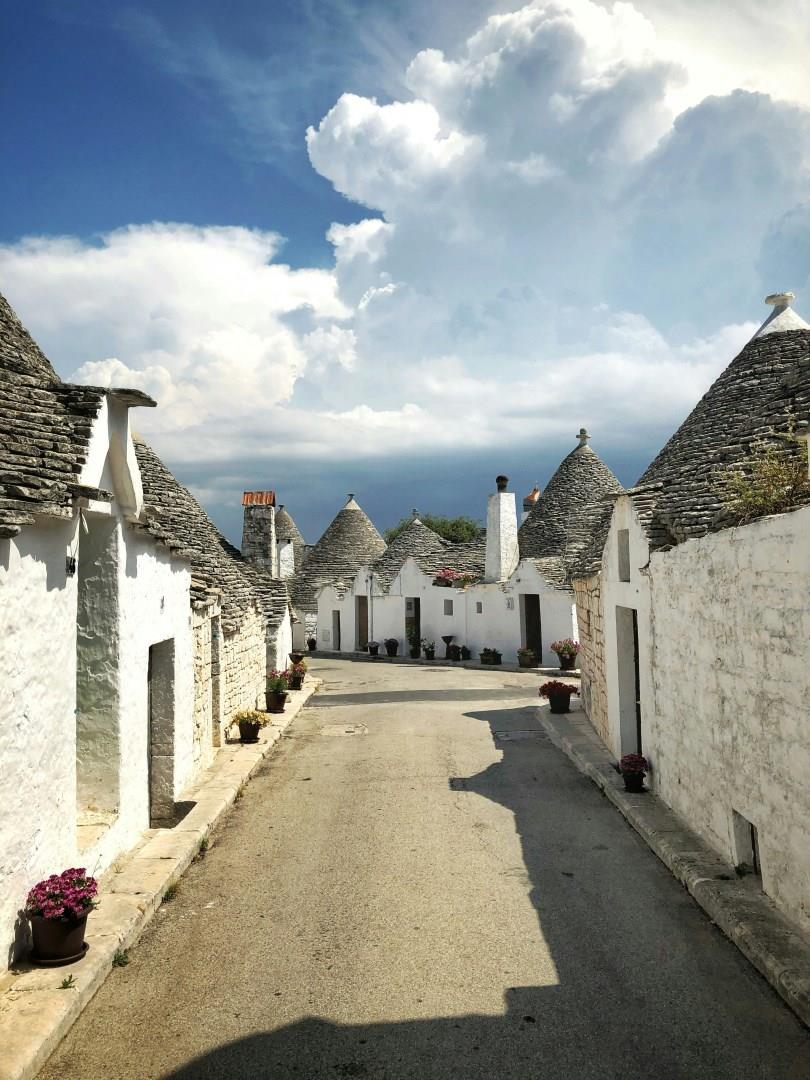
Alberobello
Alberobello in southern Italy’s Puglia region captures the imagination with its distinctive trulli houses. These structures were built using a dry-stone technique passed down over centuries, without mortar or cement, and their unique form comes from layer upon layer of limestone nestled from nearby fields. Alberobello’s trulli are so remarkable that in 1996 the historic center was inscribed as a UNESCO World Heritage Site, where more than 1,600 of these buildings still stand.

Lombok
Lombok offers an experience that blends adventure, relaxation, and cultural discovery. Whether trekking volcanic peaks, lounging on secluded shores, or immersing in local traditions, visitors will find a destination that remains true to its natural and cultural roots.

Muscat
Travelers on the Arabian Sea often find themselves in Muscat, on the Gulf of Oman. This port capital is situated between ocean and mountains, and boasts lovely beaches, great diving sites (watch for turtles!), 16th-century forts, and the impressive Sultan Qaboos Grand Mosque, which can hold 20,000 people.

Dublin
Dublin, Ireland is an architectural, artistic, and gastronomic marvel. Immerse yourself in this cultural capital and discover a few of Ireland’s most famous landmarks! The city is home to both the Old Jameson Whiskey Distillery and the Guinness Storehouse, where authentic Irish spirits and ales flow freely. Explore the long histories of these brewing giants in their respective factory museums.

Southampton
Southampton is a city shaped by the sea. Located on the southern coast of England, it has been a key maritime port for centuries. In 1912, the RMS Titanic set sail from its docks, and today, the SeaCity Museum tells the story through the lives of local residents connected to the voyage. The medieval city walls, which are some of the best-preserved in England, still stand, offering a walk through time with views of old merchant houses, towers, and hidden vaults once used to store wine and wool.


