

Belfast
Belfast, the vibrant capital of Northern Ireland, is a city steeped in rich history and brimming with cultural charm. Known for its role in the Industrial Revolution, it was once a major shipbuilding hub, most famously the birthplace of the RMS Titanic. Today, visitors can explore the Titanic Quarter, where the Titanic Belfast museum stands as a modern architectural marvel, offering a fascinating and interactive journey through the ship's history.

Mombasa
Mombasa, Kenya’s vibrant coastal city, offers a blend of rich history, diverse cultures, and stunning beaches. As Kenya's second-largest city and its principal port, Mombasa has been a crucial crossroads for trade and culture for centuries. The historic Fort Jesus, a UNESCO World Heritage site, stands as a testament to the city's colonial past.

Abruzzo
Abruzzo, a hidden gem in central Italy, offers travelers a captivating blend of medieval history, stunning natural landscapes, and authentic Italian charm. Known as "the greenest region in Europe," Abruzzo is home to three national parks, including Gran Sasso e Monti della Laga, which features some of the highest peaks in the Apennines.
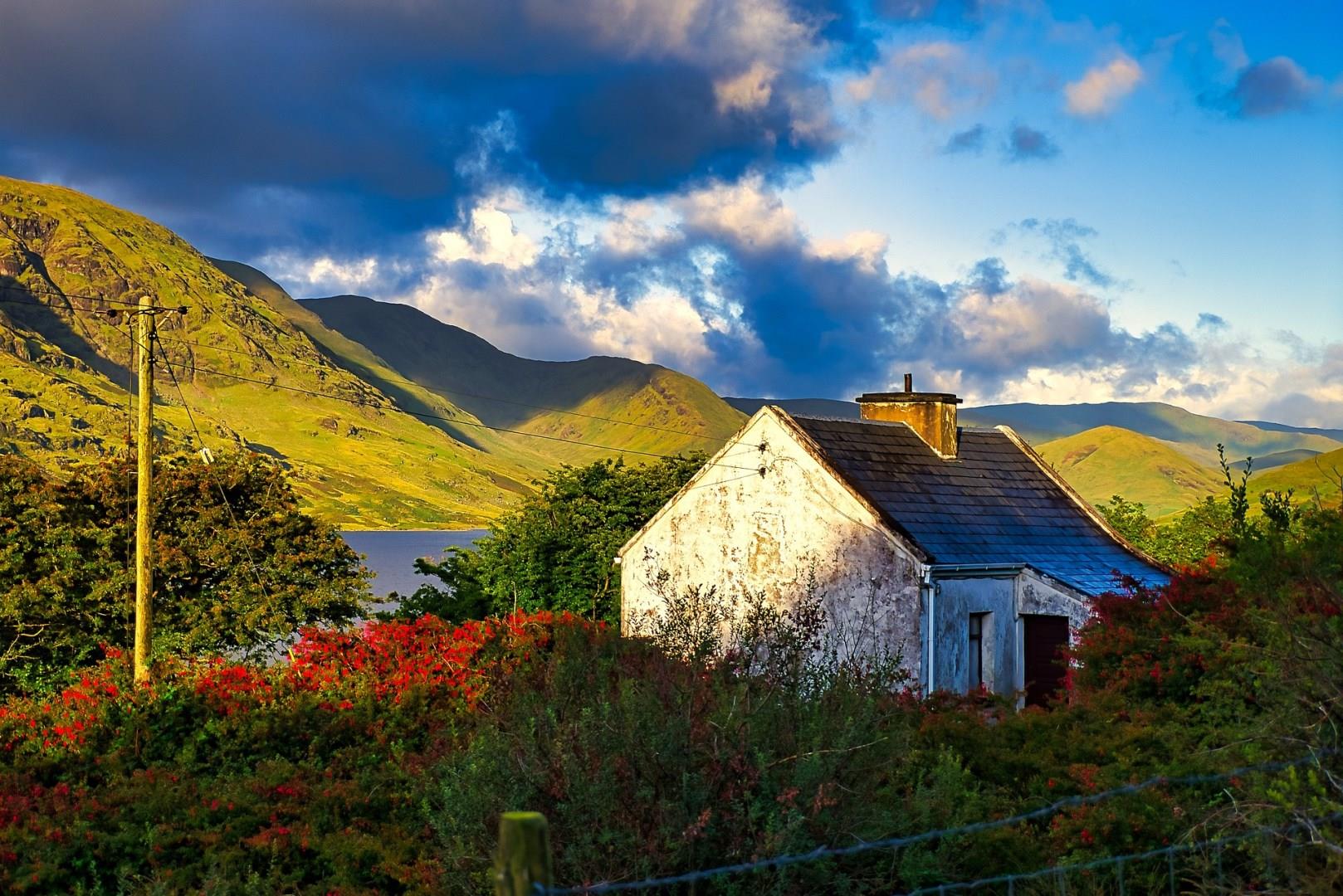
Connemara
Connemara, on Ireland’s rugged west coast in County Galway, is a region defined by its untamed landscapes, Gaelic traditions, and tranquil pace of life.
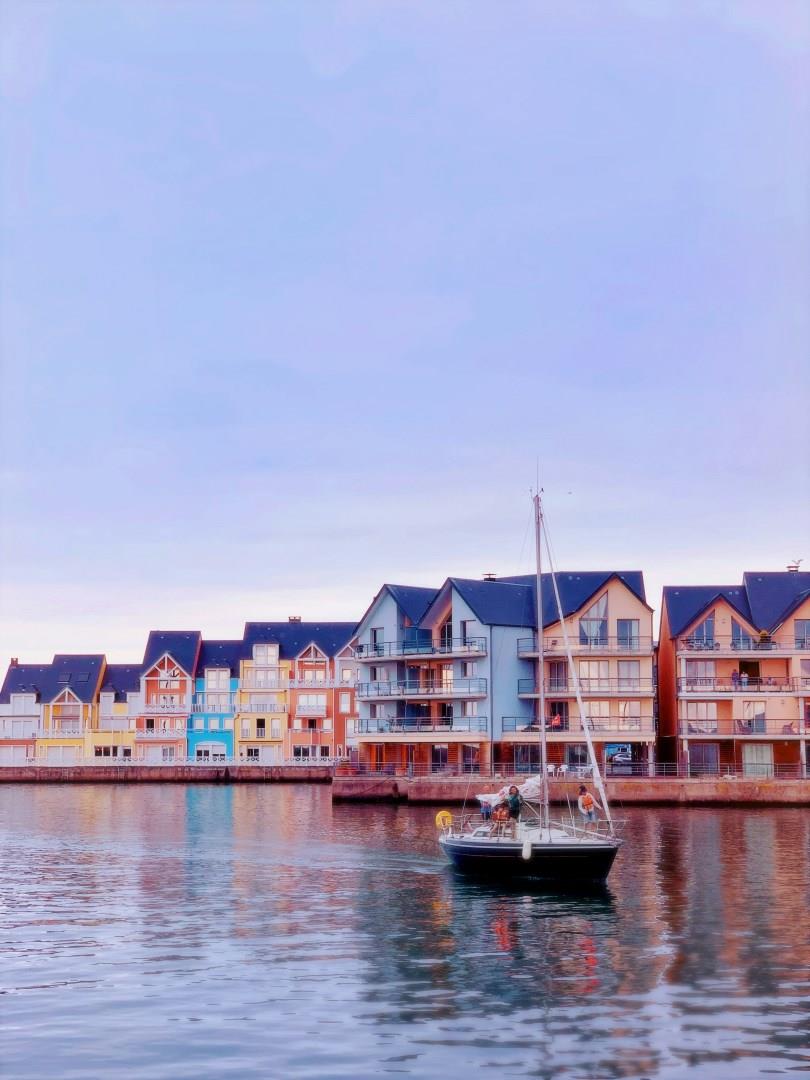
Deauville
Deauville sits on the Normandy coast of northern France and has long been associated with seaside leisure, elegance, and cultural life. Developed in the mid-19th century as a resort for Parisian society, the town quickly became a place where architecture, fashion, and social rituals shaped its identity.


