Newport Beach, California, offers the quintessential Southern California experience, with its golden beaches, luxurious homes, and a laid-back yet upscale vibe. Nestled along the Orange County coastline, this sun-soaked destination is famous for its pristine beaches, including the iconic Newport Beach Pier, where visitors can enjoy surfing, sunbathing, or simply soaking in panoramic ocean views.
Crater Lake National Park, Oregon, offers a breathtaking display of natural beauty centered around the deepest lake in the United States. Formed by the collapse of a volcanic caldera, Crater Lake is renowned for its stunningly clear blue waters, which are the result of rain and snowfall filling the caldera. The lake's unique color and clarity are due to its depth and the purity of its water, making it a visual marvel that attracts visitors year-round.
Nestled in the heart of the Black Hills, Custer, South Dakota is a small town with big stories. Established in 1875 during the Black Hills Gold Rush, Custer holds the distinction of being the oldest town in the region still in existence. Today, it serves as a gateway to some of South Dakota’s most iconic sights. With historic buildings, locally owned shops, and friendly diners lining Mount Rushmore Road, it offers a laid-back atmosphere that balances Old West charm with modern-day hospitality.
Fishguard, a coastal town in north Pembrokeshire, is divided into two parts: Fishguard and Lower Town. Lower Town is a small harbor nestled at the mouth of the River Gwaun, lined with fishing cottages and boats. It has served as a filming location for several productions, including the 1956 movie *Moby Dick* starring Gregory Peck. Visitors can walk the quayside, explore rock pools at low tide, or take boat trips along the Pembrokeshire Coast.
Mombasa, Kenya’s vibrant coastal city, offers a blend of rich history, diverse cultures, and stunning beaches. As Kenya's second-largest city and its principal port, Mombasa has been a crucial crossroads for trade and culture for centuries. The historic Fort Jesus, a UNESCO World Heritage site, stands as a testament to the city's colonial past.
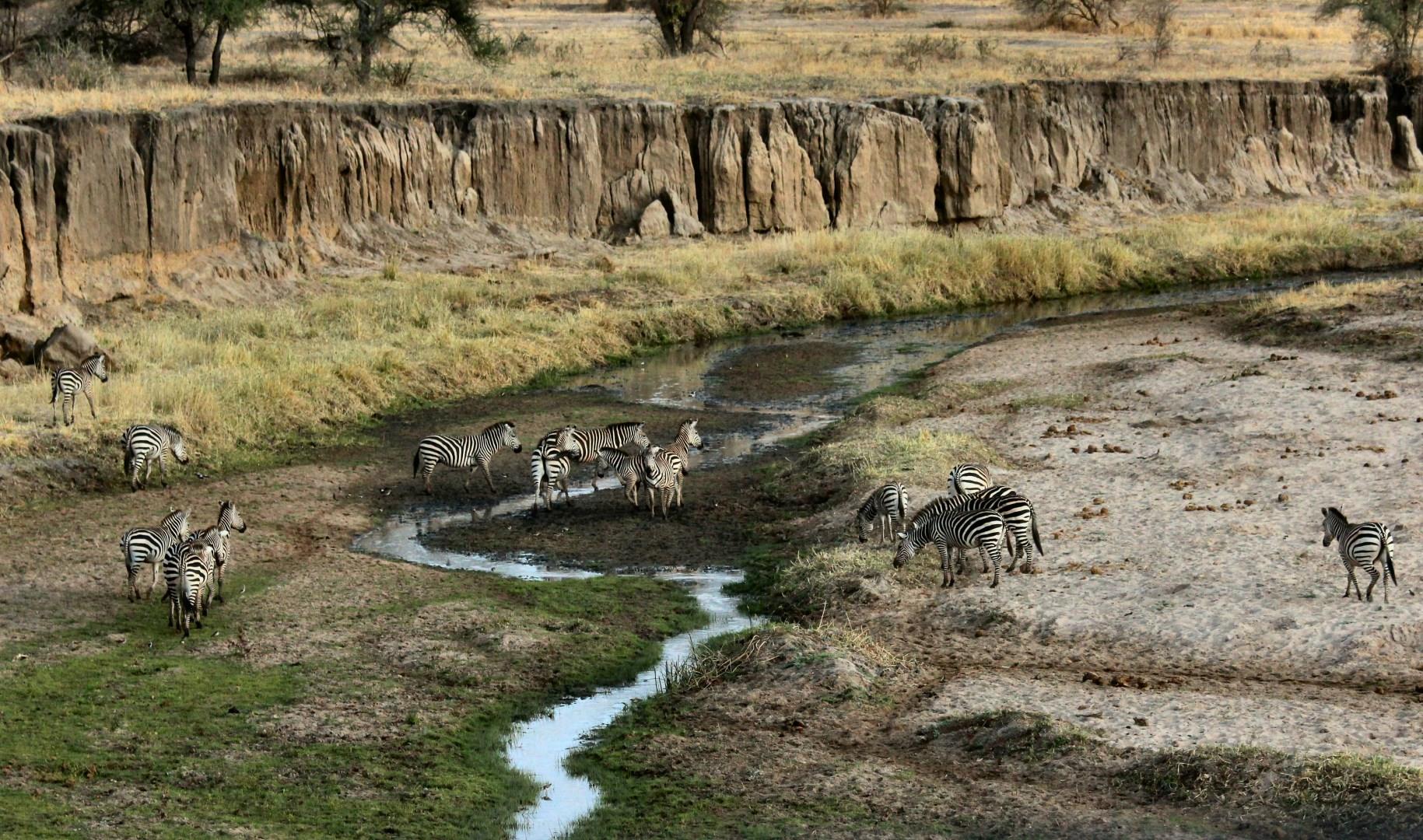
Tarangire National Park, a stunning gem in northern Tanzania, offers an unparalleled safari experience amid its diverse landscapes and wildlife. Renowned for its dense population of elephants, the park's vast baobab-studded plains and swamps create a dramatic setting that brings you face-to-face with these magnificent creatures. The park is home to over 300 bird species, including the strikingly beautiful Lilac-breasted Roller and the majestic Secretary Bird.
The park’s unique topography includes the Tarangire River, which serves as a vital water source and attracts a variety of wildlife, especially during the dry season. Visitors can witness large herds of elephants, often seen feeding on the ancient baobabs, along with lions, leopards, and wildebeest in their natural habitat. The changing scenery of savannah, swamps, and forested hills provides a dramatic backdrop for game drives and walking safaris, offering a truly immersive wildlife experience.
A notable feature of Tarangire is its ability to offer remarkable wildlife sightings year-round. The park's water sources ensure that animal sightings are rich even during the off-peak seasons, unlike some other parks where wildlife density may vary with the seasons. For birdwatchers and nature enthusiasts, Tarangire provides a rich tableau of species and ecosystems that are particularly accessible from the well-maintained lodges and campsites throughout the park.
Fun fact: Tarangire National Park is named after the Tarangire River, which runs through it and is a crucial water source for the park’s wildlife. During the dry season, the river becomes a focal point for wildlife, creating spectacular opportunities for viewing large concentrations of animals.