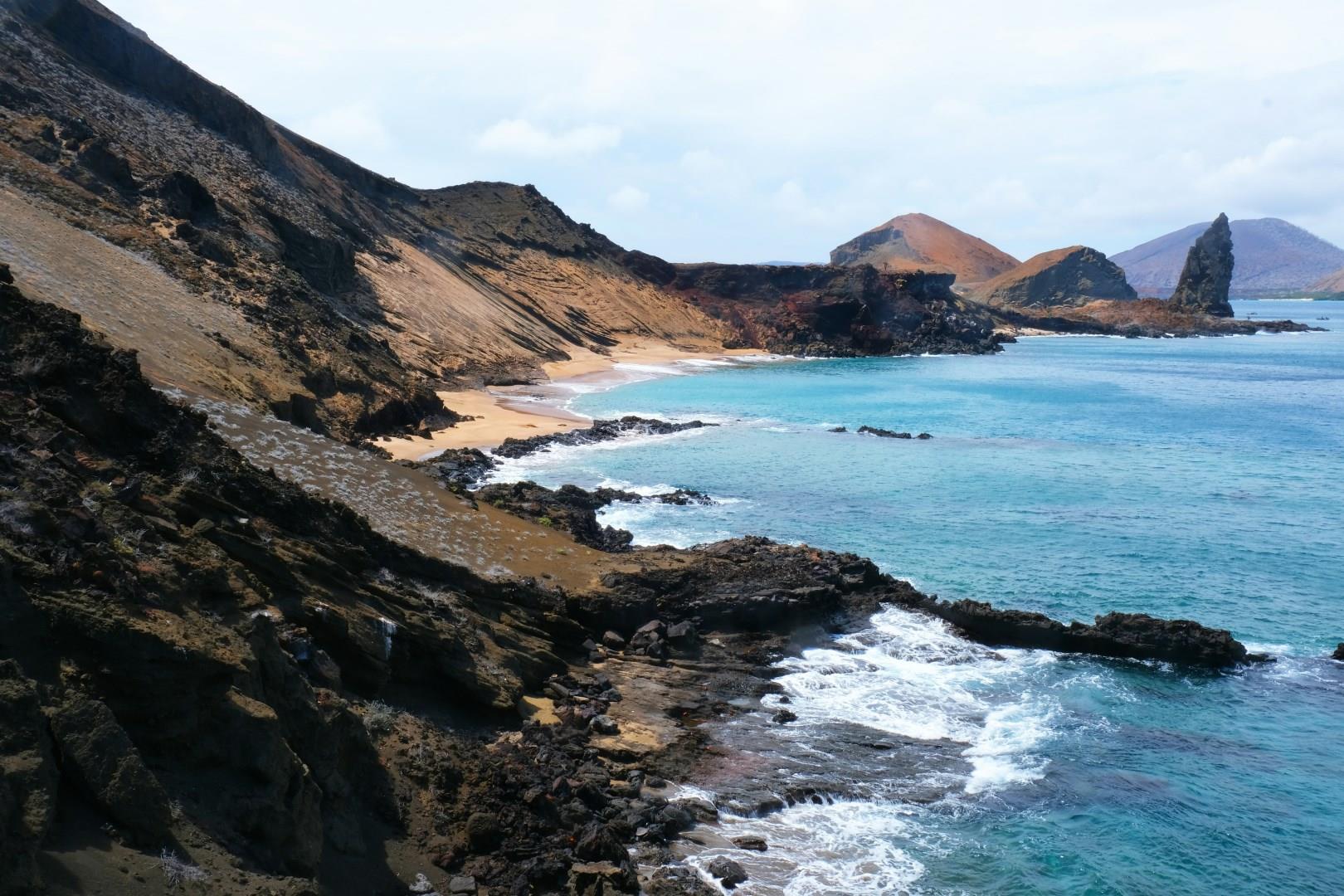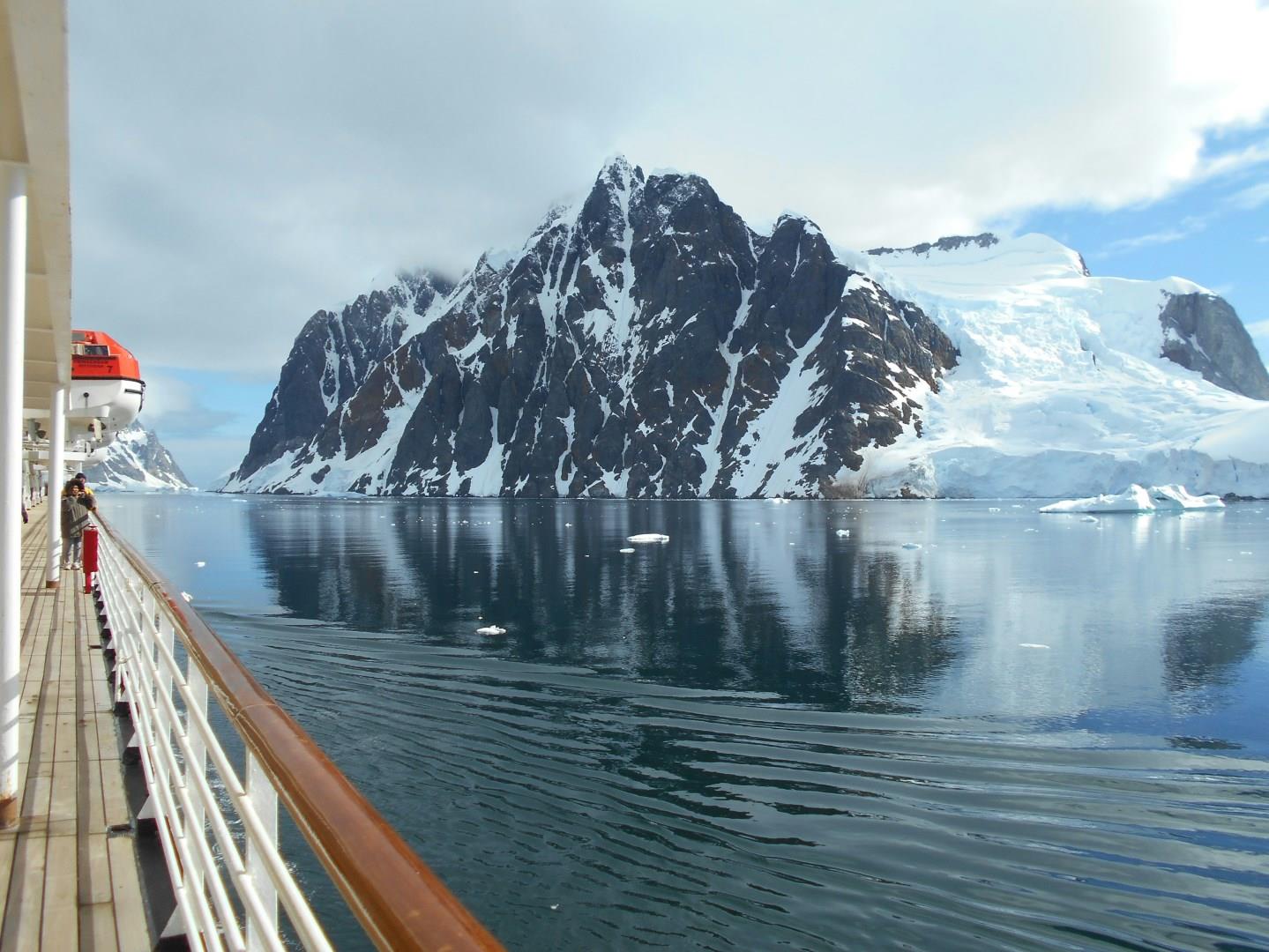
Stretching over 4,200 kilometers along the southwestern coast of South America, Chile is a country of dramatic contrasts and hidden surprises. From the world’s driest desert in the north to the icy fjords of Patagonia in the south, Chile offers a landscape that constantly reinvents itself. Visitors can walk through the Atacama Desert, where NASA tests Mars rovers, or gaze at the clearest night skies on Earth from the high-altitude observatories near San Pedro de Atacama.
Bogotá, the vibrant capital of Colombia, sits high in the Andes at 2,640 meters above sea level. The city balances historic charm with modern energy, where cobblestone streets meet bold street art and colonial churches stand beside sleek galleries and cafes. At the heart of it all is La Candelaria, Bogotá’s oldest neighborhood, where travelers can visit centuries-old buildings, including the neoclassical Capitol and the richly decorated Gold Museum.
Goa, the sun-soaked paradise on India's western coast, is a destination where history, culture, and natural beauty converge in a spectacular way. Known for its golden beaches and vibrant nightlife, Goa is also rich in heritage, reflecting its unique blend of Indian and Portuguese influences. The old quarters of Panaji and Margao are dotted with charming colonial-era buildings, quaint churches, and lively markets that beckon travelers to explore the region’s storied past.
Valparaíso, Chile, is a city that beckons travelers with its vibrant street art, steep hillsides, and bohemian spirit. Known as the "Jewel of the Pacific," Valparaíso's historical importance as a major port during the 19th century has left an indelible mark on its architecture and culture.
Verona is situated at a bend of the Adige River in northern Italy. It is hard to imagine that antique arts, monuments that date back to Roman times, and the shadows of the world's most famous tragic lovers can add up to a smiling, buzzing city. Yet they do, thanks perhaps to Verona's talent for melding her past and her present, her ancient and new so gracefully that everything blends in easy harmony.
Brno, the vibrant heart of the Czech Republic's Moravian region, offers a captivating blend of historical charm and modern dynamism. As the second-largest city in the country, Brno is known for its striking architecture, including the Špilberk Castle, which overlooks the city from its hilltop perch. Originally a medieval fortress, Špilberk Castle has evolved into a cultural and historical museum, showcasing exhibits on the city’s rich past and providing panoramic views of Brno.
The Villa Tugendhat, a UNESCO World Heritage Site, is another must-see for visitors. Designed by the renowned architect Ludwig Mies van der Rohe, this modernist gem from the 1920s is celebrated for its innovative design and use of space. A tour through this architectural marvel offers insight into early 20th-century design principles and the history of one of the most influential architects of the modern era.
For a taste of Brno’s lively cultural scene, explore the Brno City Museum and its collection of local artifacts, or wander through the bustling Zelný trh (Cabbage Market), where the colorful market stalls and lively atmosphere reflect the city's deep-rooted traditions. This area is perfect for sampling local delicacies and experiencing the vibrant daily life of Brno.
A fun fact about Brno is that it is home to one of the most intriguing historical curiosities: the Brno Ossuary, the second-largest ossuary in Europe. Discovered beneath the Church of St. James, this vast underground cemetery holds the remains of thousands of people and offers a fascinating glimpse into the city's historical past. With its rich history, stunning architecture, and lively cultural scene, Brno is a destination that promises to enchant and engage every visitor.